Arts & Literature
Rasa: How Art Becomes Experience
The Natyashastra's theory of aesthetic emotion explains something modern criticism still struggles with — why art moves us.
A woman in the audience weeps at Sita's abduction. She knows the abduction is not happening; she knows the actress playing Sita is her neighbour; she paid for her seat. Her tears are real. What, exactly, is she feeling? Western aesthetics circled this puzzle for centuries. The Natyashastra — the Sanskrit treatise on performance attributed to the sage Bharata, composed around the turn of the common era — begins from it, and its answer created two millennia of Indian art.
Not emotion, but its essence
Bharata's key term is rasa — literally juice, sap, taste. His famous aphorism: rasa arises from the conjunction of the determinants (vibhava — the dramatic situation), the consequents (anubhava — the performed expressions), and the transitory states (vyabhichari-bhava — the flickering feelings that cross the main mood). Out of these, properly combined, the spectator tastes something that is not ordinary emotion. The woman does not feel Sita's grief — that would be misery. She tastes grief itself, shoka transmuted into karuna — the pathetic rasa — grief clarified of personal stake, savoured by a consciousness at safe remove and therefore, paradoxically, more fully than life usually allows.
In life we are too busy suffering our emotions to taste them. Art holds the cup still.
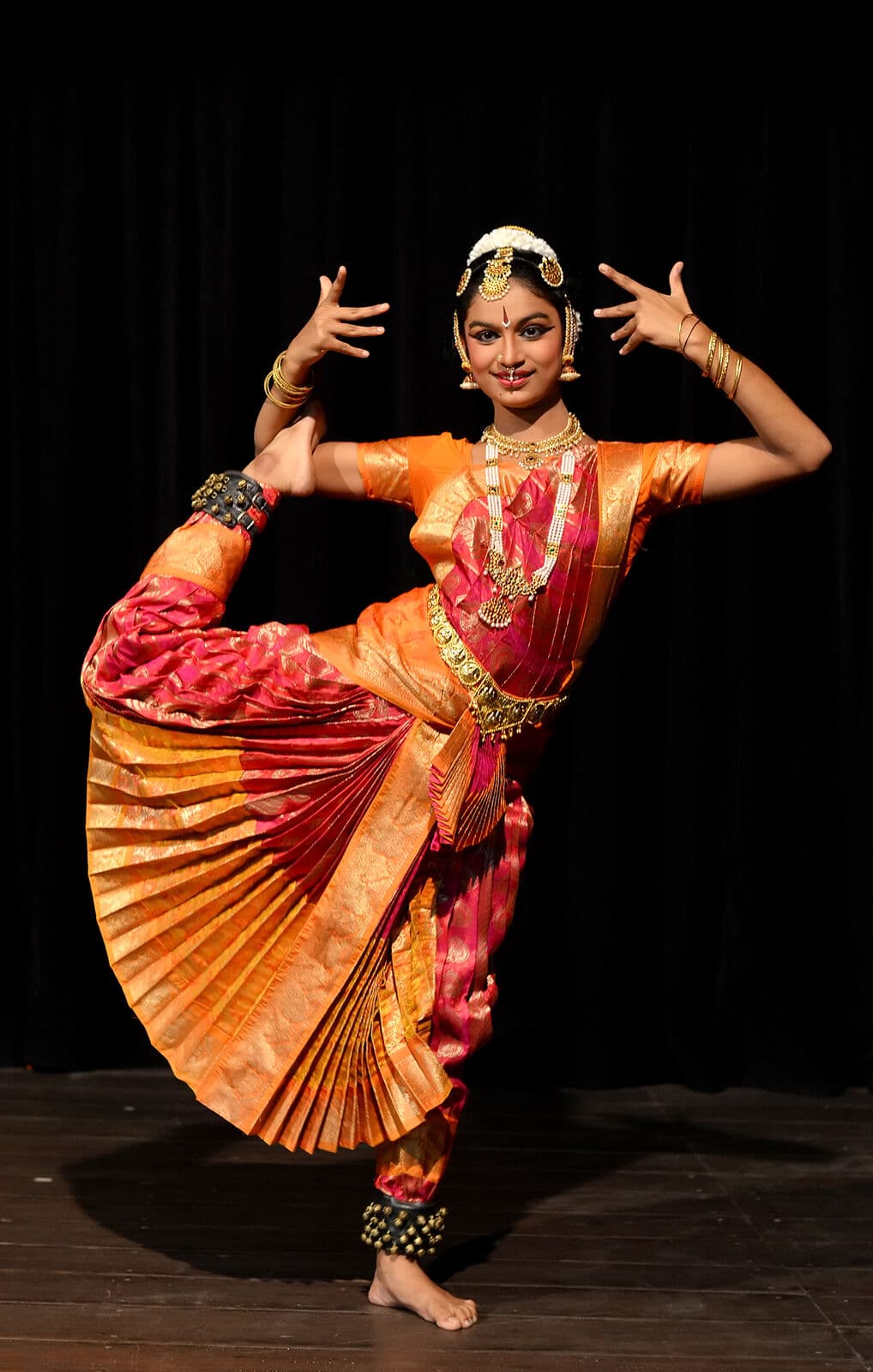
The classical list counts eight rasas — the erotic, comic, pathetic, furious, heroic, terrible, odious, and marvellous — to which later theorists added a ninth, shanta, the rasa of peace. Every classical art form in India is an engineering discipline for producing them: the raga grammar of music, the karanas of dance, the elaborate gesture-vocabulary of abhinaya by which a dancer's hands speak nouns and her face conjugates verbs.
Abhinavagupta's deepening
In eleventh-century Kashmir, the philosopher Abhinavagupta asked the next question: whose is the tasted emotion? Not the character's (fictional), not the actor's (performed), not quite the spectator's (she is safe in her seat). His answer moved aesthetics into metaphysics: rasa is the spectator's own consciousness, momentarily unclenched from ego and its urgencies, knowing an emotion in a universalized form — sadharanikarana, generalization. For that reason he called aesthetic experience the twin brother of the yogi's bliss: in both, the knot of 'mine' loosens, and awareness tastes itself. Art, on this account, is not decoration of life. It is a rehearsal of liberation, available for the price of a theatre seat.
The living theory
Rasa is not a museum doctrine. It remains the working vocabulary of every Bharatanatyam recital and Carnatic concert — performers are praised or gently criticized in its exact terms — and it has quietly entered global criticism as film scholars reach for it to explain why melodrama works. But its deepest claim is worth restating plainly. Emotions are not obstacles to wisdom; refined by form and freed from ego, they are instruments of it. A civilization that believed this built temples with dance halls in them, and considered an evening at the theatre to be — in Bharata's own words — a sacrifice pleasing to the gods.
About the author
Prajna Insights Editorial DeskEditorial Desk
The collective byline for essays researched, drafted, and edited through the Prajna Insights editorial process, including AI-assisted drafting reviewed under Kiran Karanam's editorial responsibility.
Related Articles
Arts & Literature
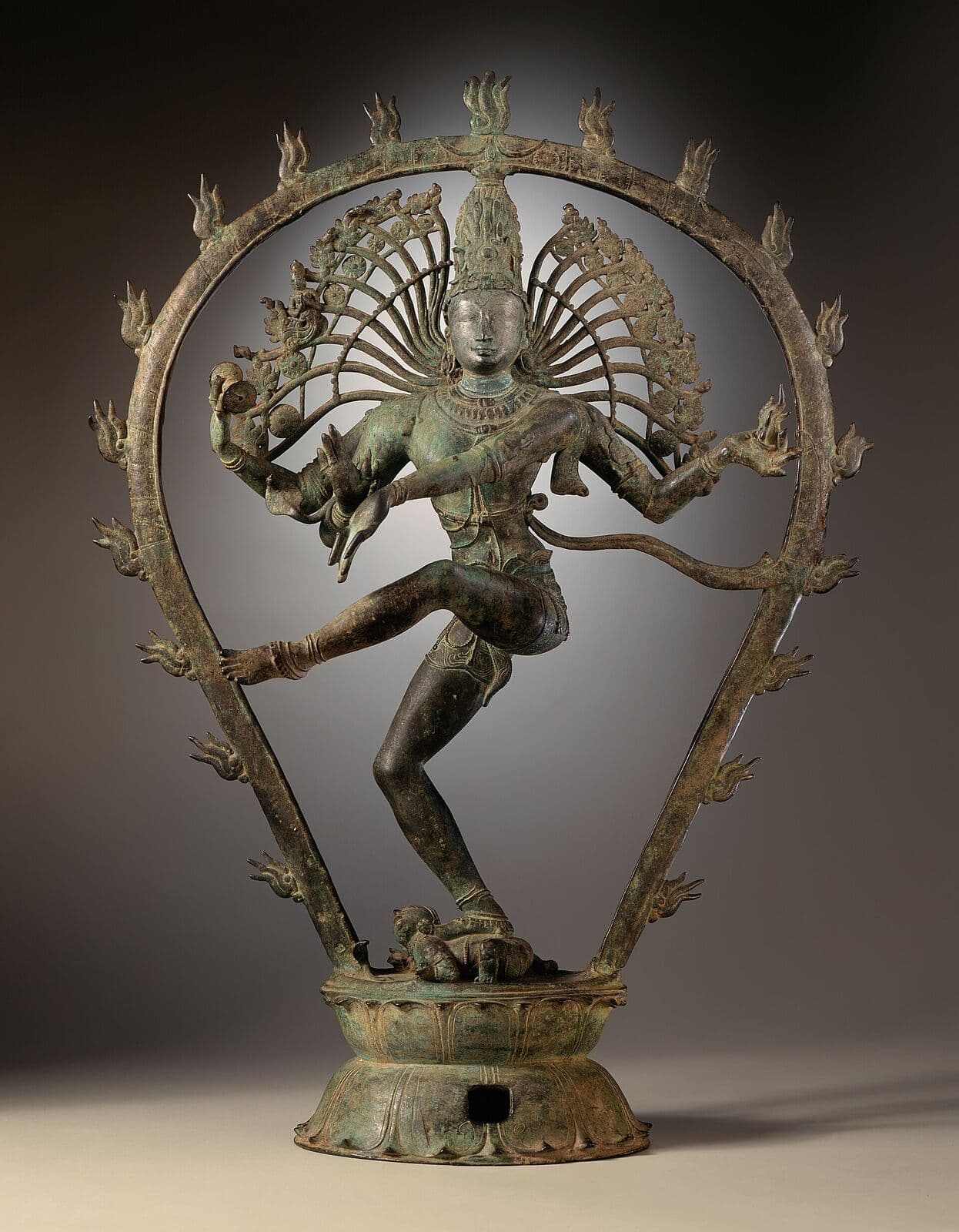
Nataraja: The Cosmic Dance in Bronze
The Chola bronze of dancing Shiva is perhaps the most complete philosophical statement ever cast in metal.
Apr 18, 2024·8 min read
Arts & Literature
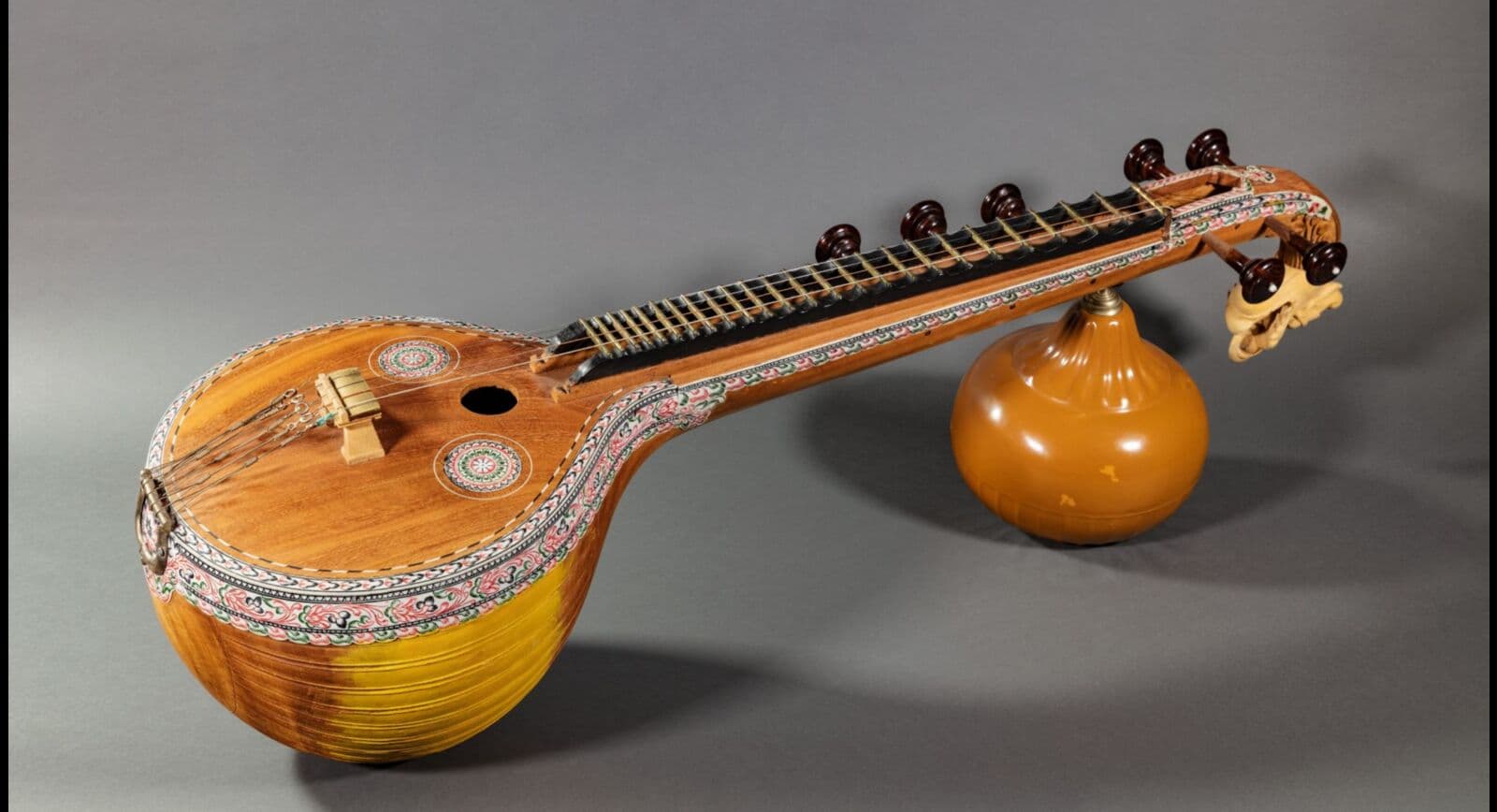
Carnatic Music: The Architecture of Devotion
In the Carnatic tradition, composition is worship, the concert is liturgy, and the greatest composers are canonized as saints.
Jan 7, 2024·9 min read
Darshana
The Logic of the Nyaya School
How do you know what you know? India's logicians answered with a system so rigorous it became everyone's court of appeal.
Feb 18, 2024·11 min read