Arts & Literature
Nataraja: The Cosmic Dance in Bronze
How Chola-era craftsmen compressed an entire metaphysics into a single figure of dancing Shiva.
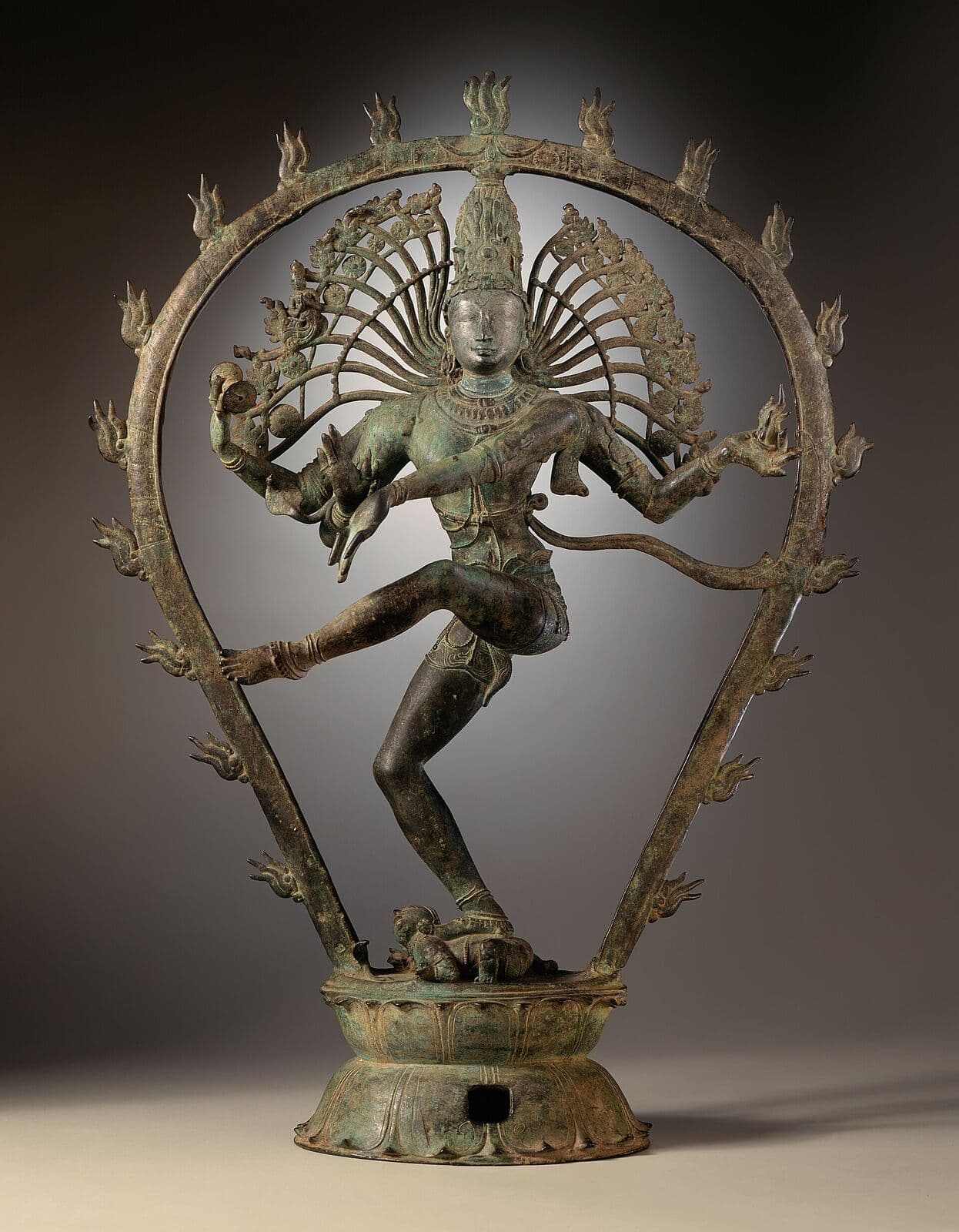
When CERN, the European particle physics laboratory, chose a sculpture for its grounds, it chose a Nataraja. The physicists understood something the Chola bronze-casters of the tenth century had already stated with complete precision: reality is not a collection of things but a dance of energy, ceaselessly created and destroyed.
Reading the figure
Every element of the Nataraja is a doctrine. In his upper right hand, the damaru drum whose beat brings the universe into being — creation as sound, nada. In the upper left, agni, the flame of dissolution. The lower right hand is raised in abhaya mudra — do not fear — and the lower left points, with the studied grace of a dancer, to the lifted foot: the place of refuge. Beneath the planted foot writhes Apasmara, the dwarf of forgetfulness. Ignorance is not slain in this iconography, only subdued, held down by the same energy that dances. Around it all runs the prabha-mandala, the ring of fire — the cosmos itself, touched by the god's hair as he moves.
Creation, preservation, destruction, concealment, and grace: five acts, one dance, no beginning and no end.The panchakritya read in the Nataraja's form
The genius of the image is that these five acts — srishti, sthiti, samhara, tirobhava, anugraha — are not depicted sequentially, as a Western narrative would demand. They happen at once, in a single equipoised instant. The figure is in violent motion and absolutely still. Museums report that visitors circle it slowly, as if the bronze were rotating them.
The lost-wax miracle
The Chola stapathis cast these figures by the madhuchchhishta vidhana — the lost-wax process — exactly as prescribed in the Shilpa Shastras and still practiced today in Swamimalai by families who trace their craft to the Chola workshops. The figure is modelled complete in beeswax, coated in alluvial clay, and fired; the wax runs out, molten bronze runs in, and the mould is broken to release a figure that can never be duplicated. Each Nataraja is therefore singular, born from the destruction of its own matrix — a technical fact that is also, unmistakably, the theology.
The dance goes on
At Chidambaram, the temple the tradition regards as the site of the dance itself, the innermost shrine holds the famous rahasya — the secret: behind a curtain, no image at all, only empty space hung with golden bilva leaves. Form and formlessness are worshipped side by side, the bronze and the void, and neither is called truer. It is the most sophisticated curatorial decision in religious history, made a thousand years before anyone used such words, and it tells us how the makers meant their bronzes to be read: not as portraits of a god, but as the last visible step before silence.
About the author
Prajna Insights Editorial DeskEditorial Desk
The collective byline for essays researched, drafted, and edited through the Prajna Insights editorial process, including AI-assisted drafting reviewed under Kiran Karanam's editorial responsibility.
Related Articles
Arts & Literature
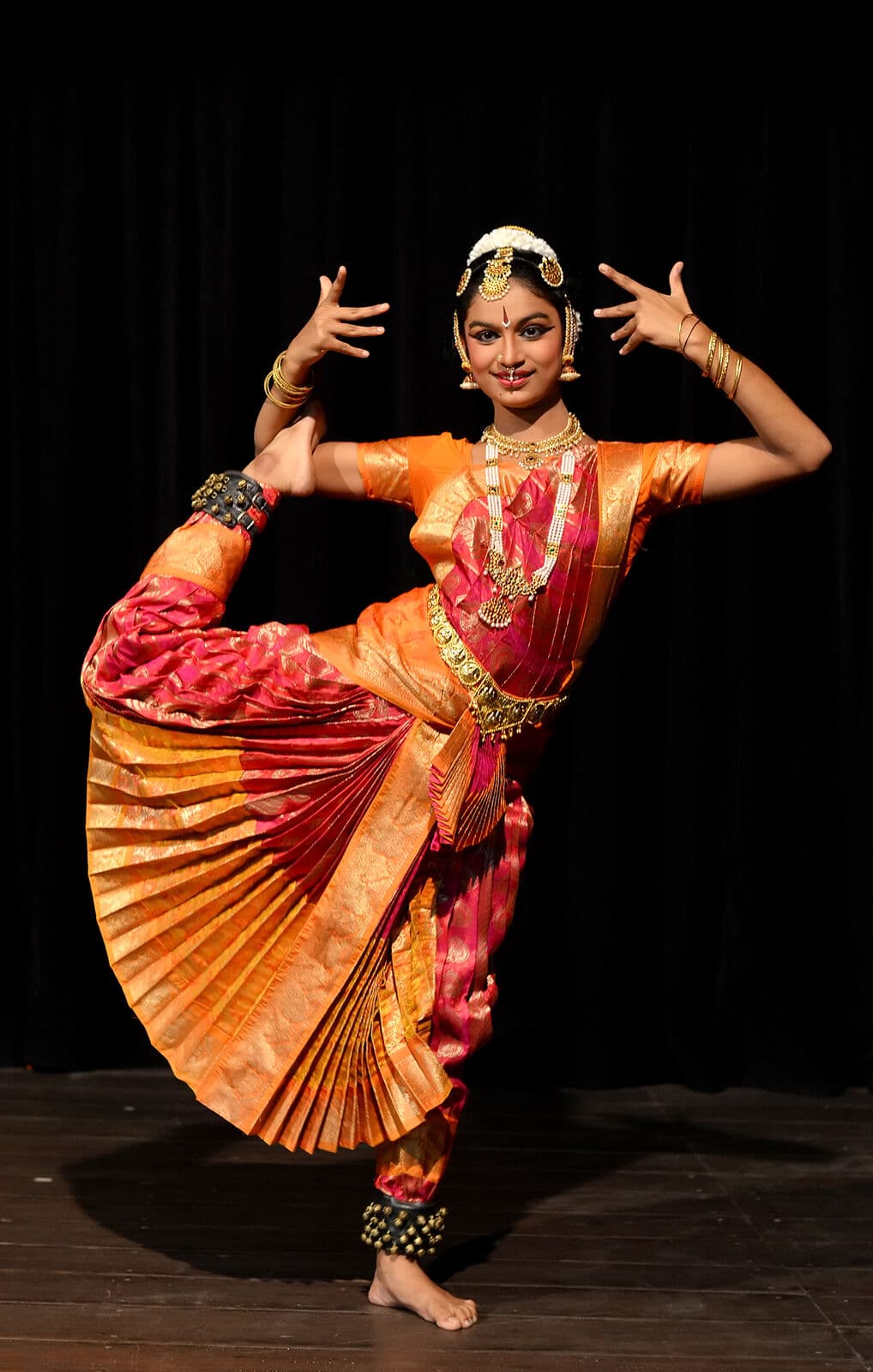
Rasa: How Art Becomes Experience
Why does a fictional grief move us to real tears? India's classical theory of aesthetics answered this two thousand years ago.
Feb 21, 2024·10 min read
Temples
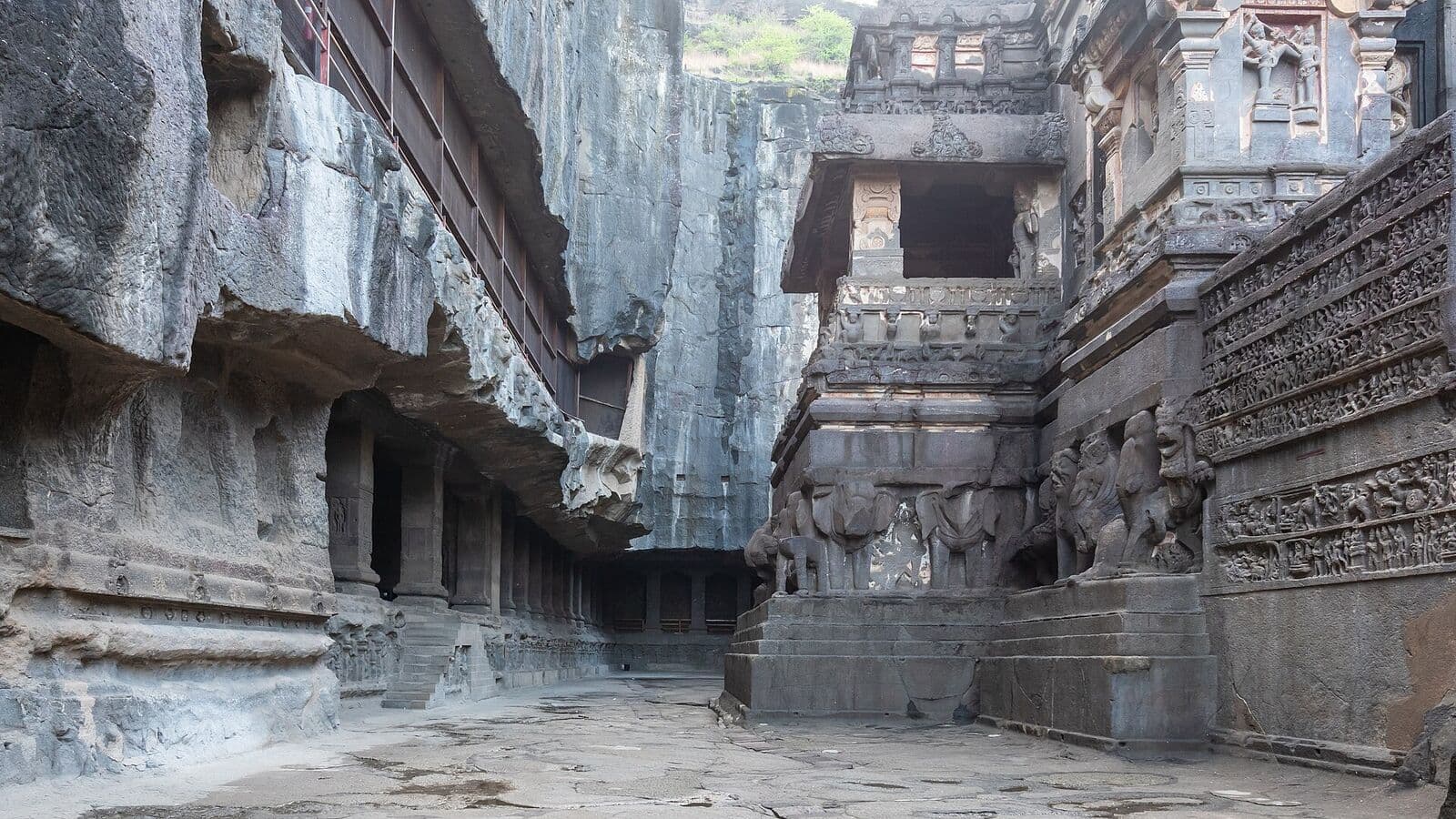
Ellora: Carving a Mountain into Prayer
At Ellora, eighth-century artisans removed two hundred thousand tonnes of basalt to reveal a temple that was inside the mountain all along.
Dec 13, 2023·12 min read
Arts & Literature
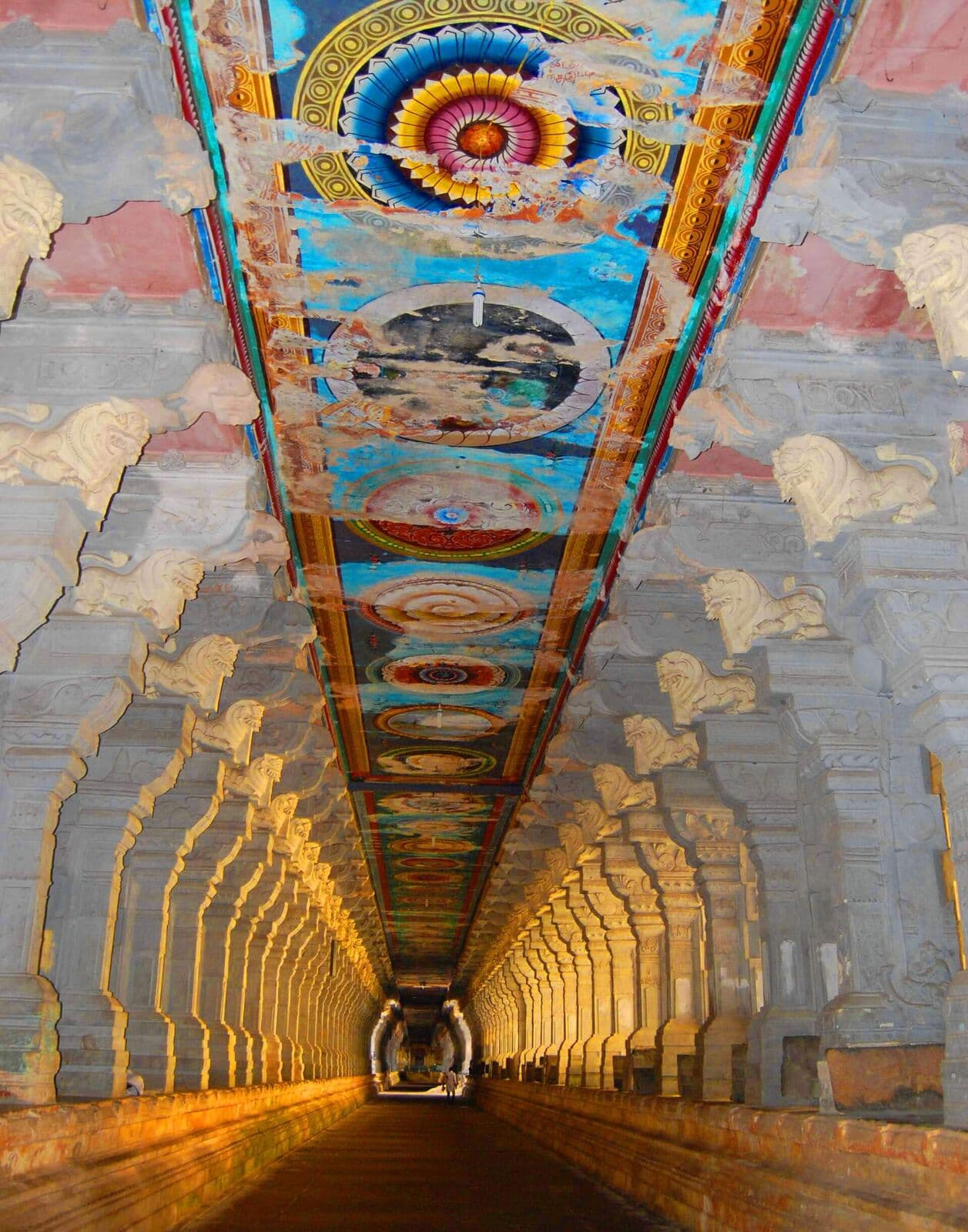
The Alvars: Poets Drunk on God
Between the sixth and ninth centuries, twelve Tamil poets sang Vishnu with such intimacy that theology had to expand to hold them.
Feb 7, 2024·9 min read