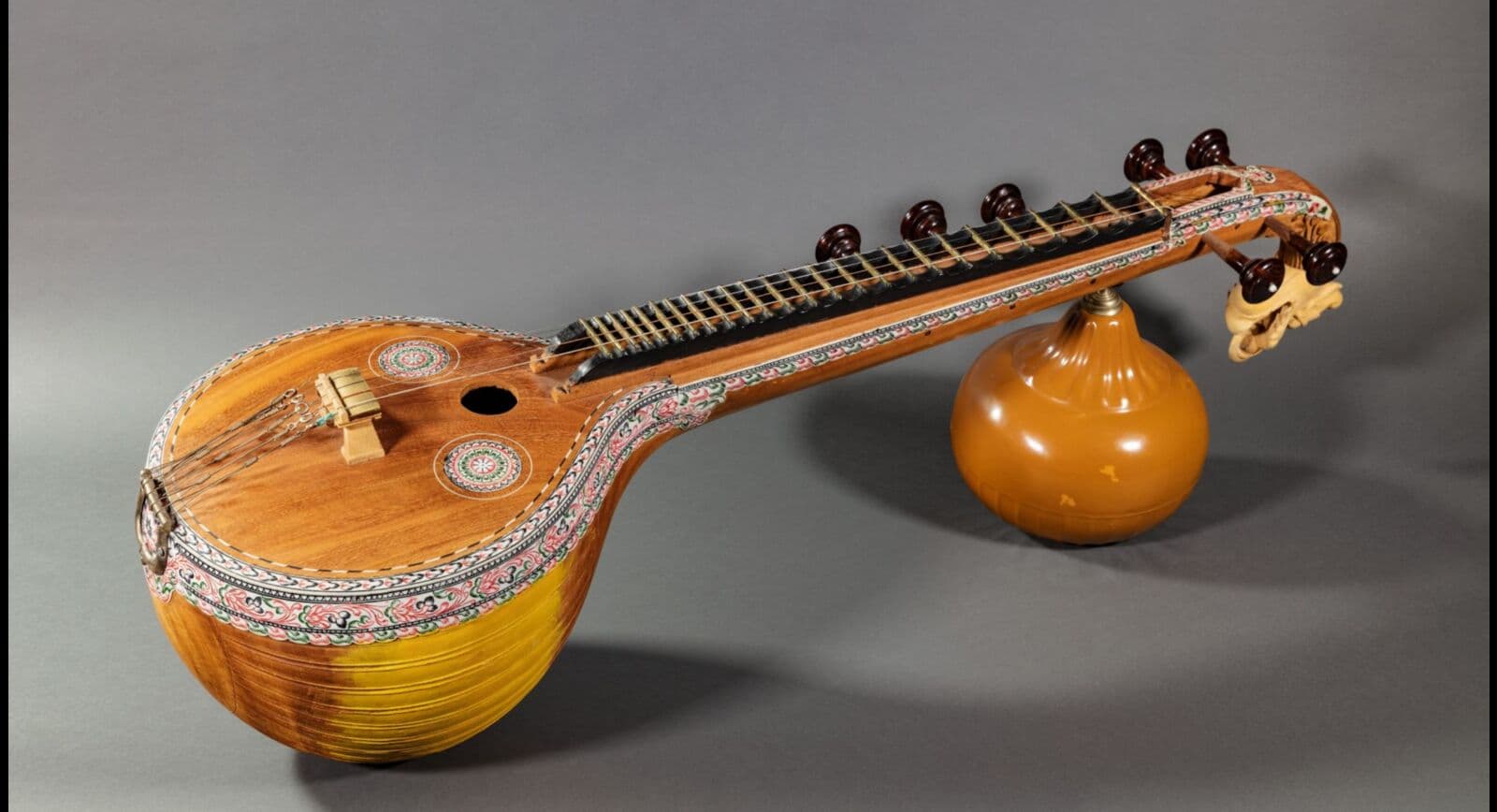
Arts & Literature
Carnatic Music: The Architecture of Devotion
South India's classical music is a cathedral built of ragas — and its greatest architects were saints.
In January of every year, in the village of Thiruvaiyaru on the Kaveri, thousands of musicians gather at a samadhi shrine to sing five songs in unison. The songs are the Pancharatna kritis of Tyagaraja; the shrine is his grave; and the festival — running since the early twentieth century in its present form — is less a concert than a liturgy. No other classical music on earth canonizes its composers quite this way, because no other classical music understands itself quite this way: in the Carnatic tradition, the music is not about devotion. It is devotion, in acoustic form.
The trinity of Tiruvarur
By historical coincidence that the tradition declines to consider coincidence, the three greatest Carnatic composers were born in or near one small Tamil town within a single generation: Tyagaraja (1767–1847), Muthuswami Dikshitar (1775–1835), and Shyama Shastri (1762–1827). Tyagaraja composed in Telugu with the intimacy of a man conversing with Rama across the breakfast table — cajoling, complaining, adoring; offered a royal stipend, he asked in song whether wealth ever equalled the nearness of the Lord, and declined. Dikshitar built in Sanskrit: vast, slow kritis dense with temple geography and tantric architecture, each one a shrine you enter phrase by phrase. Shyama Shastri addressed the Goddess with a child's directness in compositions of deceptive rhythmic depth. Three temperaments, one town, one conviction: nada — musical sound — is a path to the divine, nadopasana, worship through tone.
He who knows the secret of sound knows the secret of the universe.The doctrine of nada, as the tradition sings it
Raga as theology, tala as time
The system the trinity inherited and perfected is formidable. Melody lives in the raga — not a scale but a personality: characteristic phrases, ornaments (gamakas, the oscillations that make Carnatic notes curve like handwriting), an emotional register, and in the tradition's understanding, a presiding mood approaching personhood. The seventy-two melakarta parent scales generate hundreds of ragas in practical use. Rhythm lives in the tala cycles, kept audibly by the audience itself — claps, finger-counts, waves — so that a Carnatic concert is among the few classical settings where the listeners are, technically, performing. Improvisation and composition interlock: the kriti is fixed, the alapana and kalpanaswaras around it are born and die in the moment, and mastery means moving between the two without a visible seam.
The living stream
What keeps this architecture standing is transmission — the guru-shishya relationship, now supplemented by December's astonishing Chennai 'Music Season', when hundreds of concerts compress into a few weeks and rasikas audit performances with the severity of examiners. The tradition has crossed oceans with the diaspora, absorbed the violin without apology two centuries ago, and continues to argue vigorously with itself about innovation — a reliable sign of health. But its center has not moved an inch from where Tyagaraja left it. The kritis are prayers; the concert hall is a temple with better acoustics; and every January at Thiruvaiyaru, when a thousand voices land together on the opening of 'Jagadananda karaka', the architecture stands complete for a moment, roofed with sound, and everyone inside it knows exactly what it is for.
About the author
Prajna Insights Editorial DeskEditorial Desk
The collective byline for essays researched, drafted, and edited through the Prajna Insights editorial process, including AI-assisted drafting reviewed under Kiran Karanam's editorial responsibility.
Related Articles
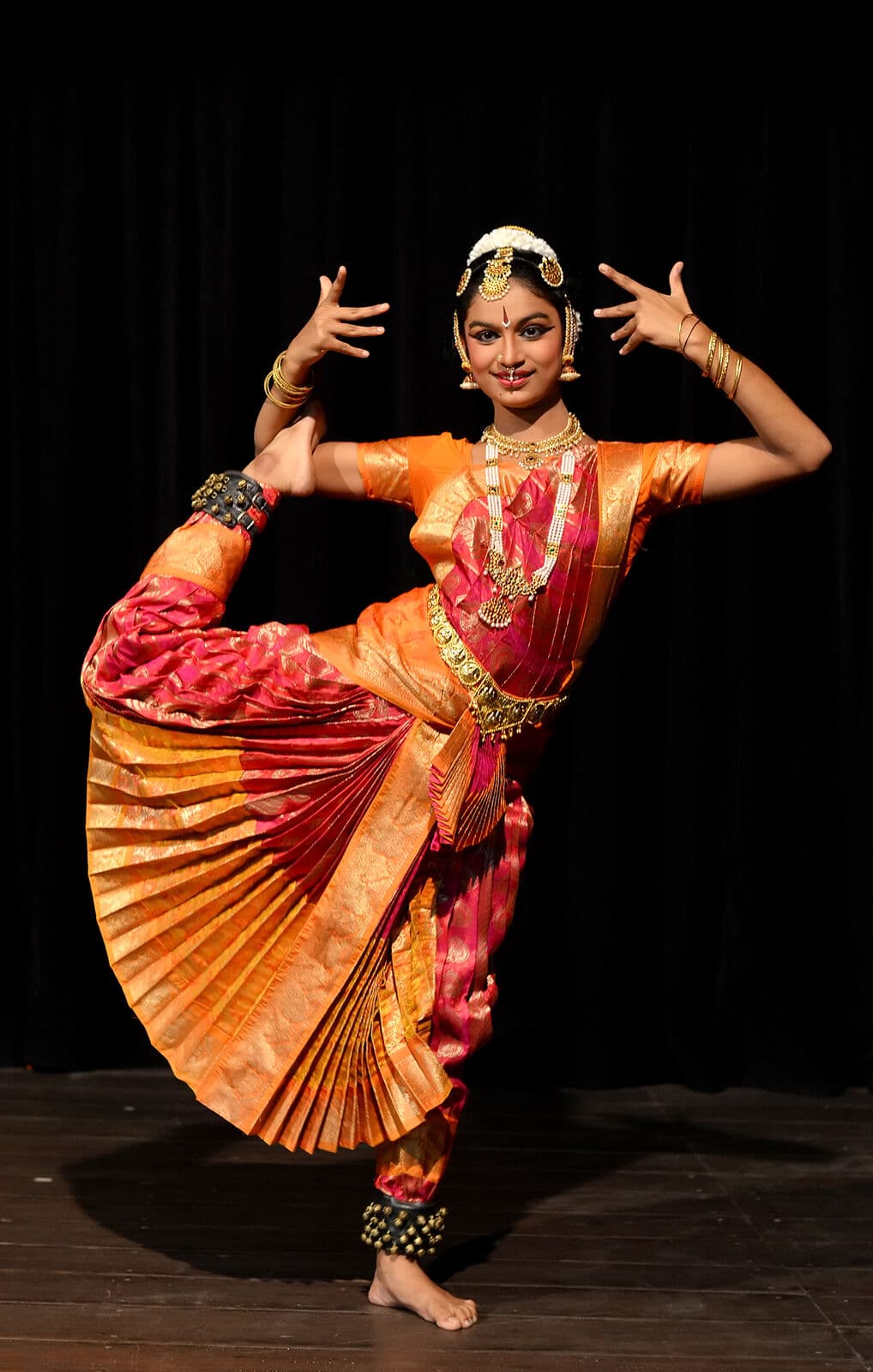
Arts & Literature
Rasa: How Art Becomes Experience
Why does a fictional grief move us to real tears? India's classical theory of aesthetics answered this two thousand years ago.
Feb 21, 2024·10 min read
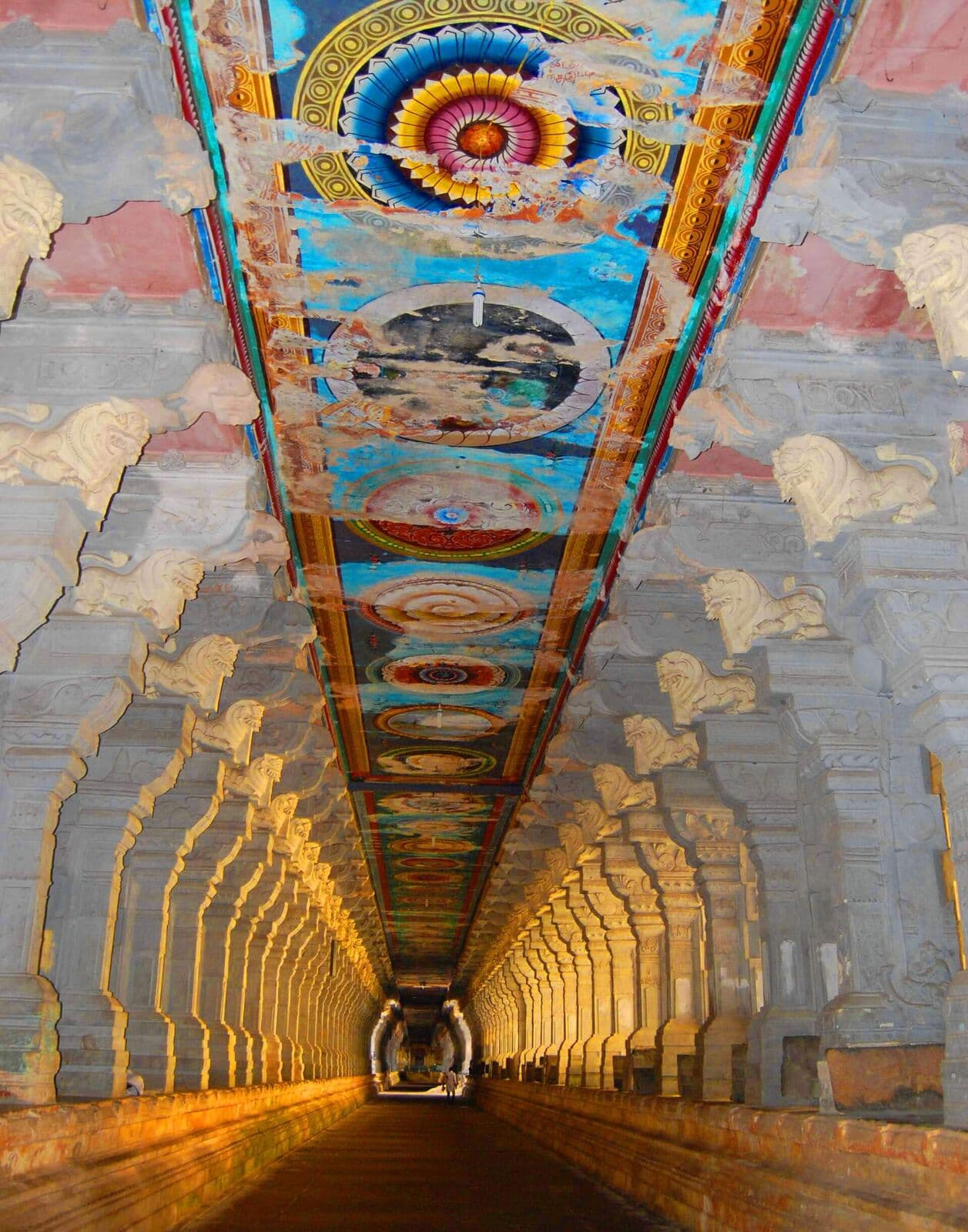
Arts & Literature
The Alvars: Poets Drunk on God
Between the sixth and ninth centuries, twelve Tamil poets sang Vishnu with such intimacy that theology had to expand to hold them.
Feb 7, 2024·9 min read
Tradition
The Guru–Shishya Parampara
The living tradition of knowledge transmission in Sanatana Dharma.
May 1, 2024·9 min read