Culture & Heritage
The Kumbh Mela: A River of Humanity
The largest peaceful gathering on earth assembles by no invitation except a date in the sky.
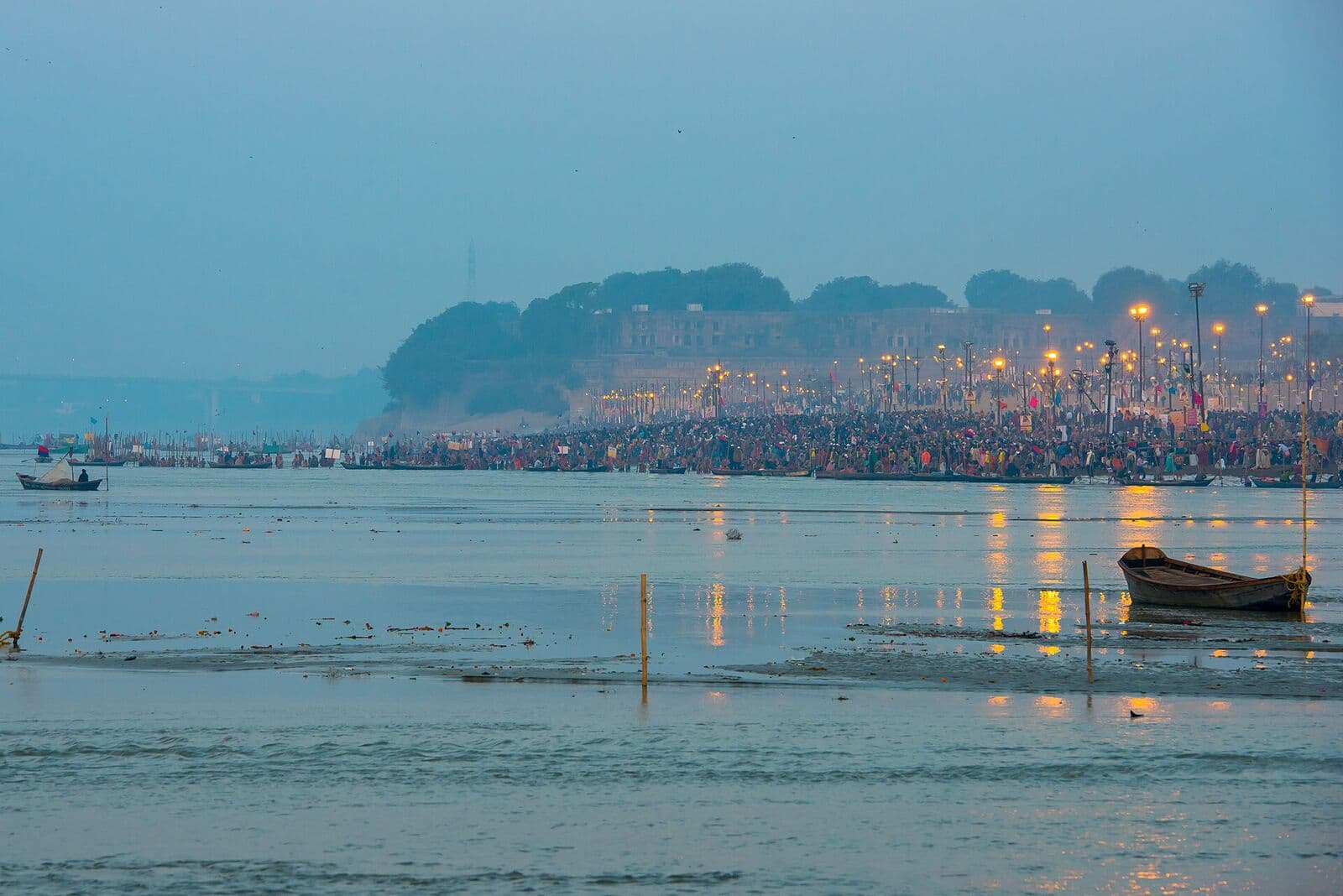
Seen from a satellite, it looks like a city that was not there the year before — a grid of roads, pontoon bridges, and tents on the sand where the Ganga meets the Yamuna at Prayagraj. It houses more people than London. It will be dismantled within months. No empire built it. A date did: when Jupiter, the sun, and the moon reach the alignment the almanacs prescribe, the Kumbh Mela simply assembles, as it has in living continuity for many centuries.
The myth and the calendar
The story is from the Puranas: gods and asuras churned the ocean of milk for the nectar of immortality, and in the scramble that followed, drops fell at four places — Prayagraj, Haridwar, Ujjain, Nashik. The Kumbh rotates among them on a celestial schedule, returning to each roughly every twelve years. Whatever one makes of the myth, its function is visible on the ground: it converts astronomy into appointment. Nobody is invited to the Kumbh. Everybody simply knows when.
The largest gathering of human beings on the planet convenes without a single invitation. The calendar is the host.
The city of a season
The administrative achievement deserves its own scripture. In weeks, engineers lay out hundreds of kilometres of roads and water lines on freshly exposed riverbed; the akharas — the monastic orders whose processions to the bath anchor the great days — are allotted their camps by precedence negotiated over centuries; hospitals, lost-and-found bureaus, and police posts appear on sand. Harvard's design school sent researchers to study the Kumbh as the world's most successful pop-up megacity. Their published conclusion was, in effect, astonishment: legibility, flexibility, and civic peace at a scale no permanent city manages.
The human texture is the thing no report captures. Farmers who have saved for years sleeping beside sannyasis who own nothing; the naga sadhus, ash-robed and naked in the January cold, thundering to the water at dawn on the shahi snan; grandmothers holding ropes tied to grandchildren; loudspeakers reciting lost names for hours, and the lost, mostly, found.
Why they come
Ask a hundred pilgrims and you will hear a hundred versions of the same sentence: to bathe at the sangam washes what cannot otherwise be washed. The sophisticated visitor is tempted to translate this into metaphor. Resist the temptation long enough to stand in the water at sunrise, amid several million people who have walked, in some cases, for weeks — the old supported, the infants lifted, strangers steadying strangers on the wet sand — and the metaphor and the fact begin to exchange clothes. Something is being washed. The tradition calls the Kumbh a tirtha — a ford, a crossing place. What crosses, crosses in both directions: the pilgrim toward the sacred, and the sacred, for a season, into the plain sight of the world.
About the author
Prajna Insights Editorial DeskEditorial Desk
The collective byline for essays researched, drafted, and edited through the Prajna Insights editorial process, including AI-assisted drafting reviewed under Kiran Karanam's editorial responsibility.
Related Articles
Culture & Heritage
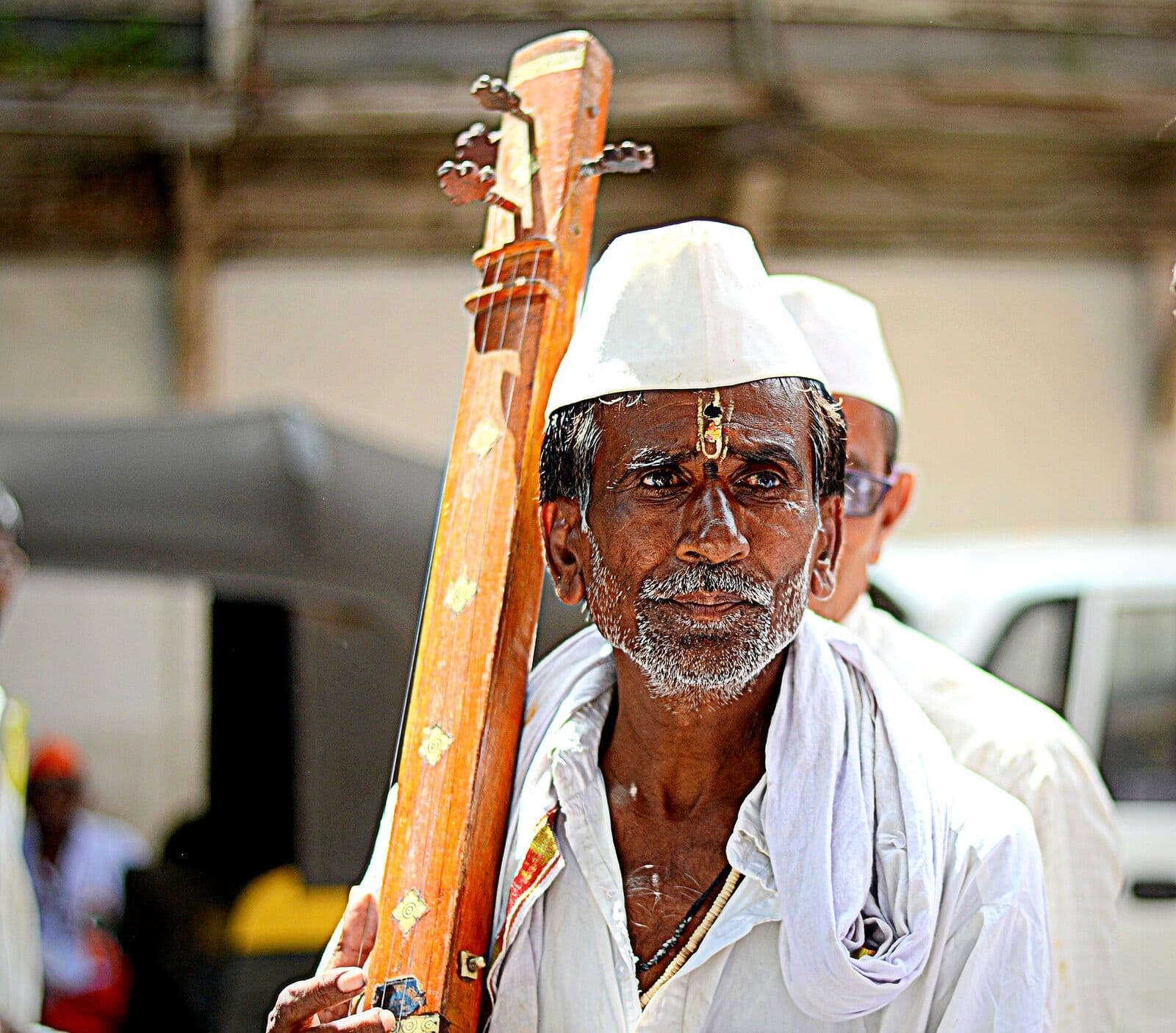
The Wari: Walking with Vithoba
For seven hundred years the road to Pandharpur has filled with pilgrims singing Tukaram and Dnyaneshwar — a university of devotion, twenty-one days long.
Feb 28, 2024·8 min read
Culture & Heritage
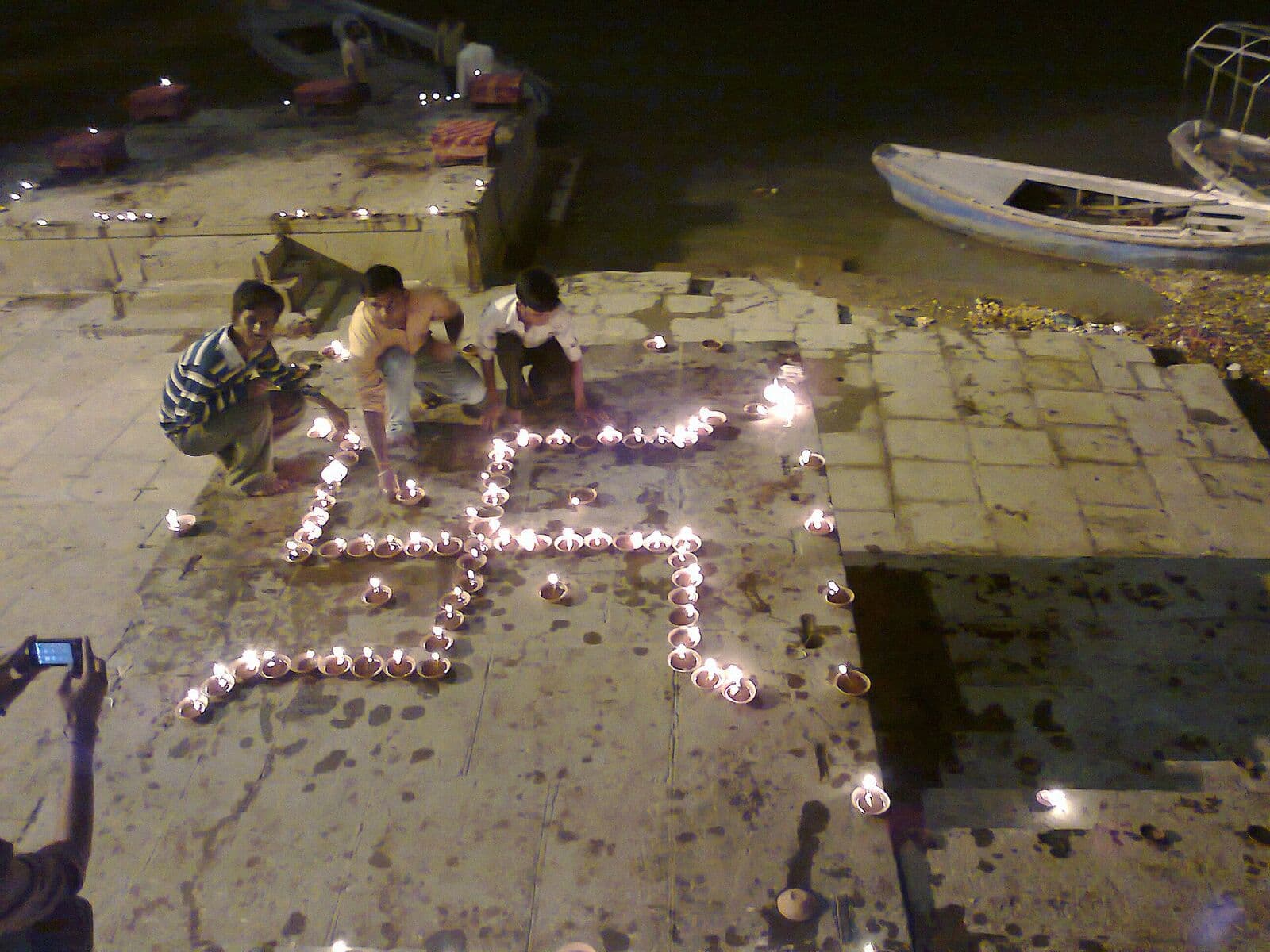
The Meaning of Diwali
The festival of lamps is a five-day meditation on light, wealth rightly held, and homecoming — older and deeper than its fireworks.
Jan 24, 2024·7 min read
Practice
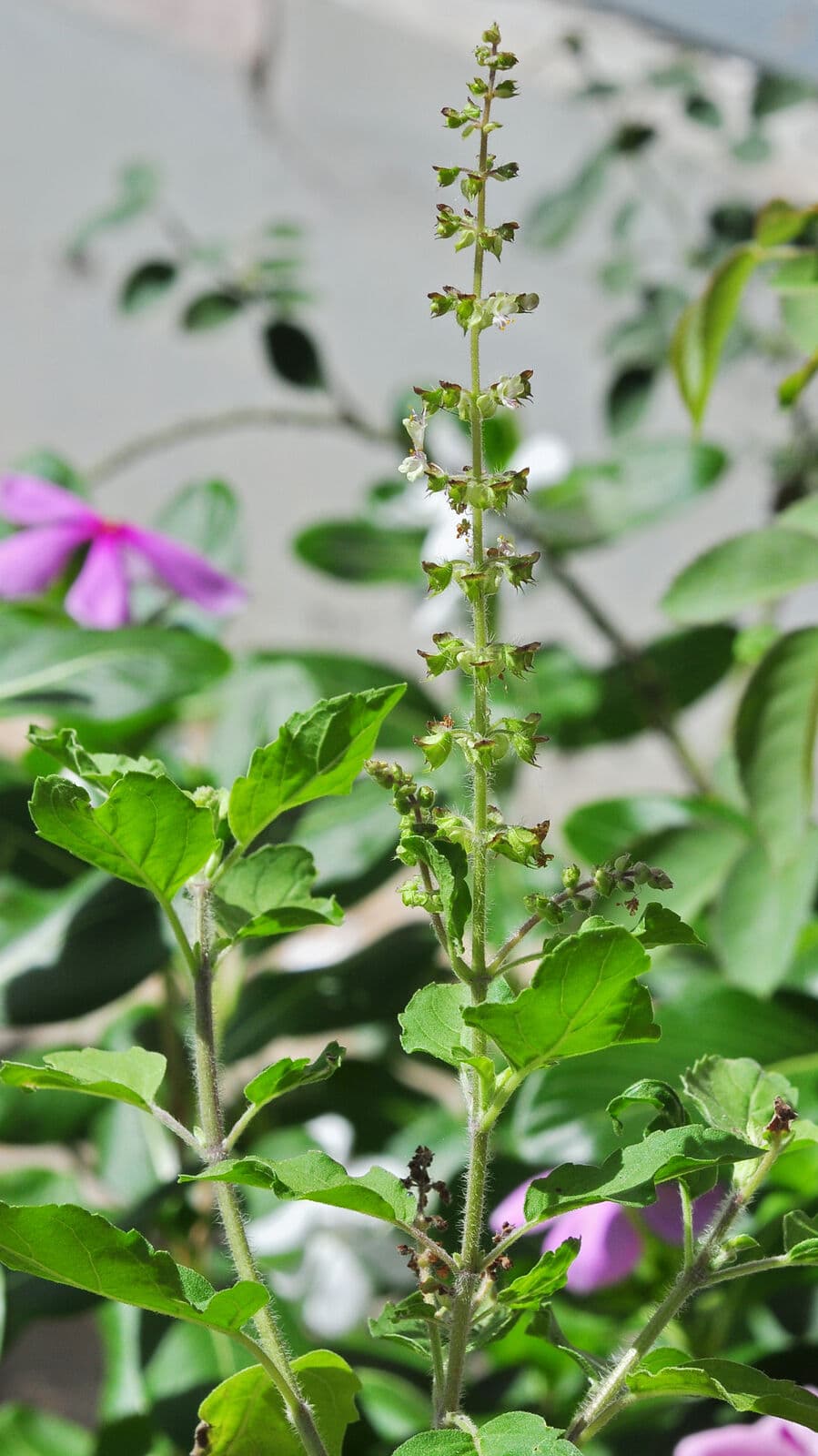
Fasting as Focus: The Inner Logic of Ekadashi
The elegant psychology behind the tradition's twice-monthly fast — and what an empty stomach has to do with a full attention.
Feb 14, 2024·6 min read