Culture & Heritage
The Meaning of Diwali
Beneath the sweets and fireworks, the festival of lamps carries one of the tradition's oldest prayers: lead me from darkness to light.
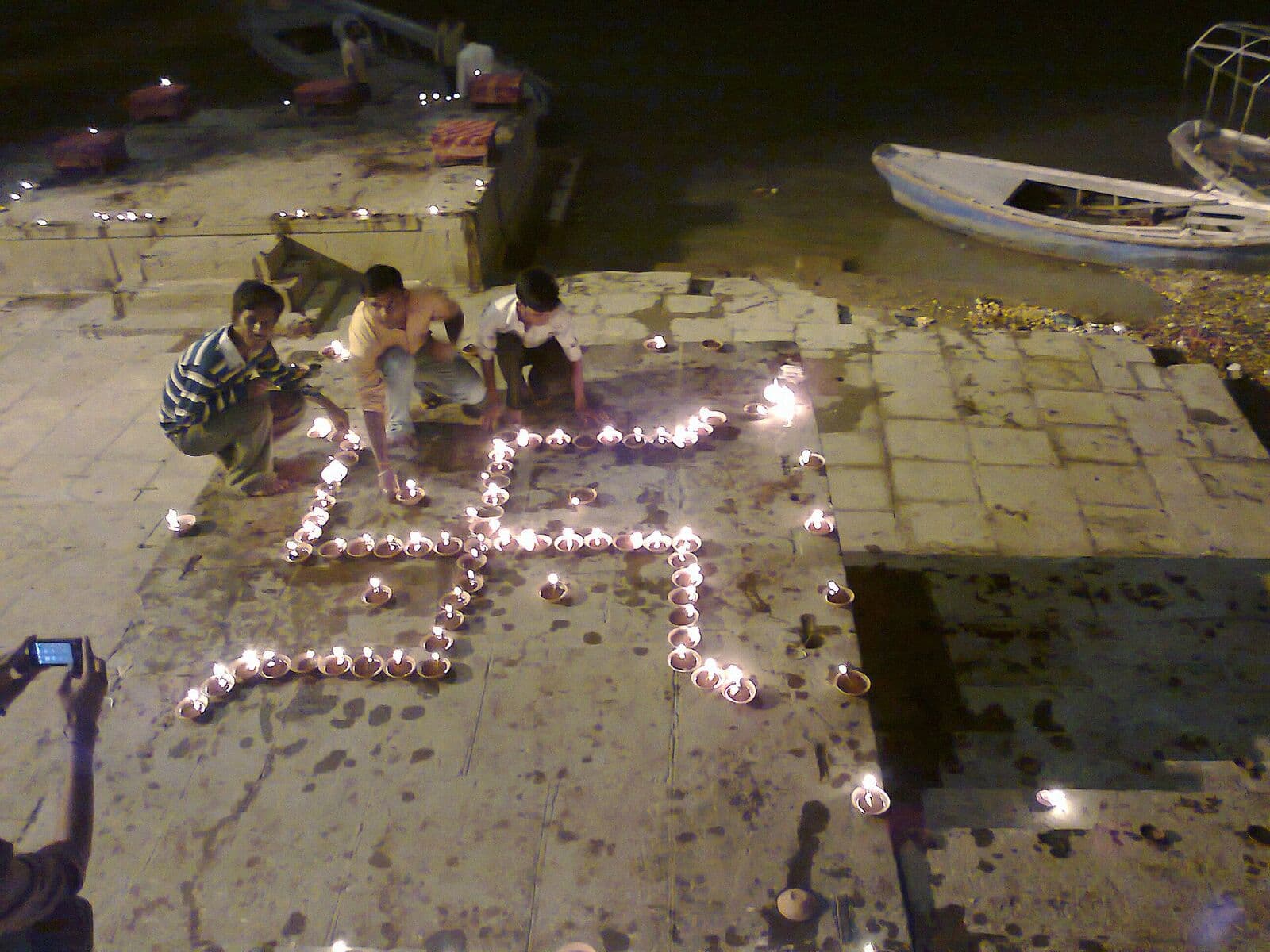
On the darkest night of the lunar year — amavasya of the month of Kartika — India performs its most beautiful act of defiance. Every threshold, windowsill, and riverbank fills with small clay lamps, and the new moon's darkness is answered, house by house, with a hundred million flames. Whatever else Diwali has become — and it has become a great deal — this is its irreducible gesture: when the dark is deepest, light the lamp you have.
Many stories, one festival
Diwali's genius is its hospitality. In the north, it is Rama's homecoming — Ayodhya lighting his path back from exile and victory, the end of the Ramayana staged annually in every lane. In the south, the dawn of Naraka Chaturdashi celebrates Krishna's defeat of the tyrant Narakasura; in the west, the merchant year closes and Lakshmi is invited to fresh account books; Jains mark Mahavira's liberation, and Sikhs the release of Guru Hargobind. The tradition never harmonized these stories into one authorized version, and the refusal is instructive: the festival is larger than any of its explanations, the way a river is larger than its tributaries.
The lamp does not argue with the darkness. It simply outlasts it.
The five days
The festival is a five-act structure. Dhanteras honours wealth's arrival — and, in an older layer, Dhanvantari, the physician of the gods, as if to say health is the first prosperity. Naraka Chaturdashi is the cleansing: the oil bath before dawn, the year's grime dispatched with the demon's. The amavasya night belongs to Lakshmi — and the tradition is precise about her: she is shri, auspicious abundance, which stays only where there is order, generosity, and light, and departs from hoarding and squalor. Govardhan Puja follows, Krishna's lesson that the mountain and the cattle — the ecology that actually feeds us — deserve the worship we misdirect to mere power. Bhai Dooj closes the arc with the bond of brother and sister: wealth, health, victory, and finally, simply, family.
From darkness to light
Beneath the entire festival runs the oldest prayer in the tradition's repertoire, from the Brihadaranyaka Upanishad: tamaso ma jyotir gamaya — from darkness, lead me to light. The lamps are its liturgy. Light, in the Upanishadic grammar, is knowledge; the dark is not evil so much as ignorance — of what we are, of what wealth is for, of who is waiting for us to come home. This is why the essential Diwali act is not the firework, which announces, but the diya, which reveals: a handful of clay, a cotton wick, a spoon of oil, set patiently where the darkness is. The festival asks one thing of its keepers, renewable annually: be that kind of light — small, steady, placed at the threshold, burning for the benefit of anyone coming home late on a dark road.
Header image: Tara Knand / Wikimedia Commons, CC BY-SA 4.0
About the author
Prajna Insights Editorial DeskEditorial Desk
The collective byline for essays researched, drafted, and edited through the Prajna Insights editorial process, including AI-assisted drafting reviewed under Kiran Karanam's editorial responsibility.
Related Articles
Culture & Heritage
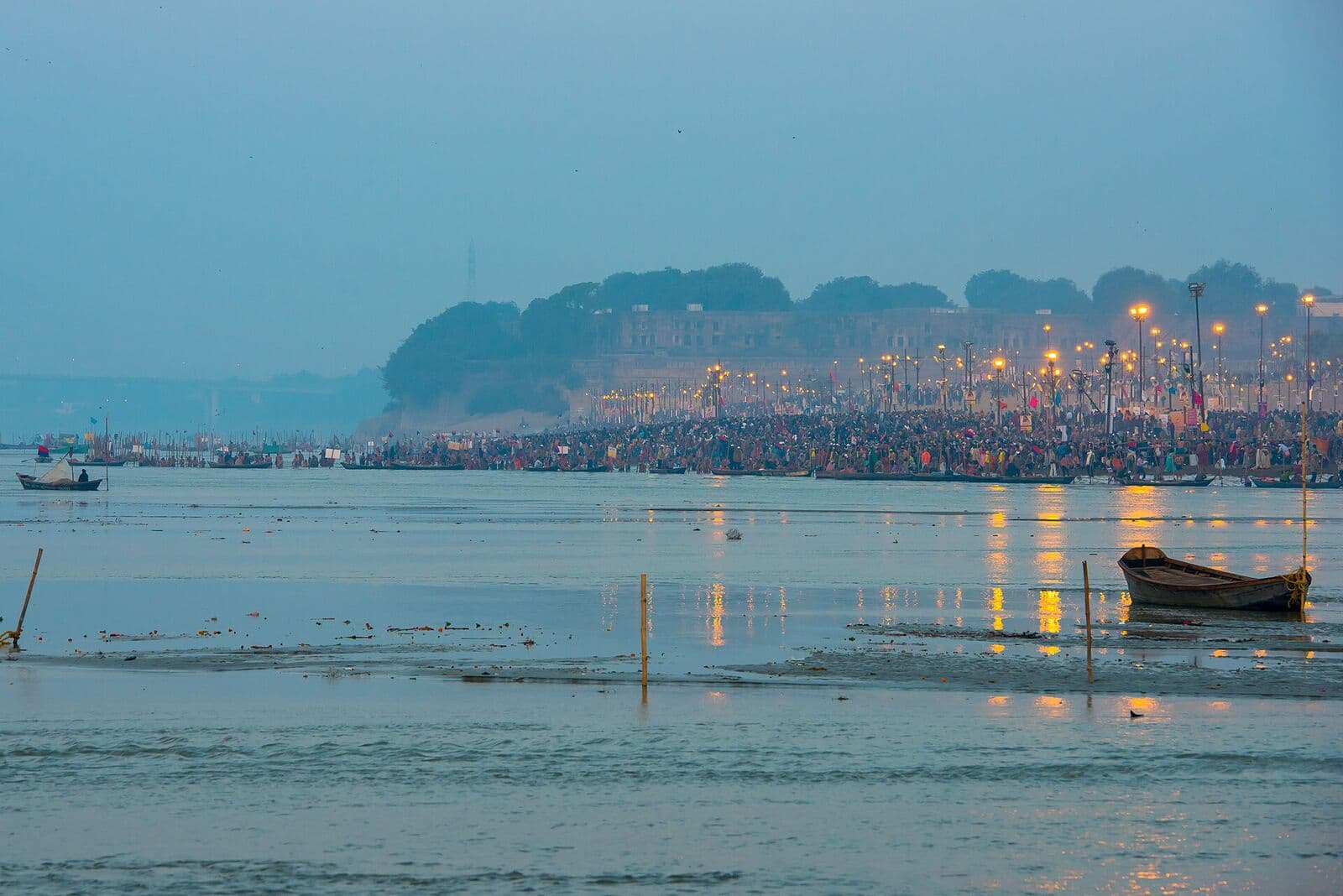
The Kumbh Mela: A River of Humanity
Tens of millions gather at the confluence of rivers with no tickets, no headliner, and no organizing committee older than the stars.
Mar 21, 2024·9 min read
Culture & Heritage
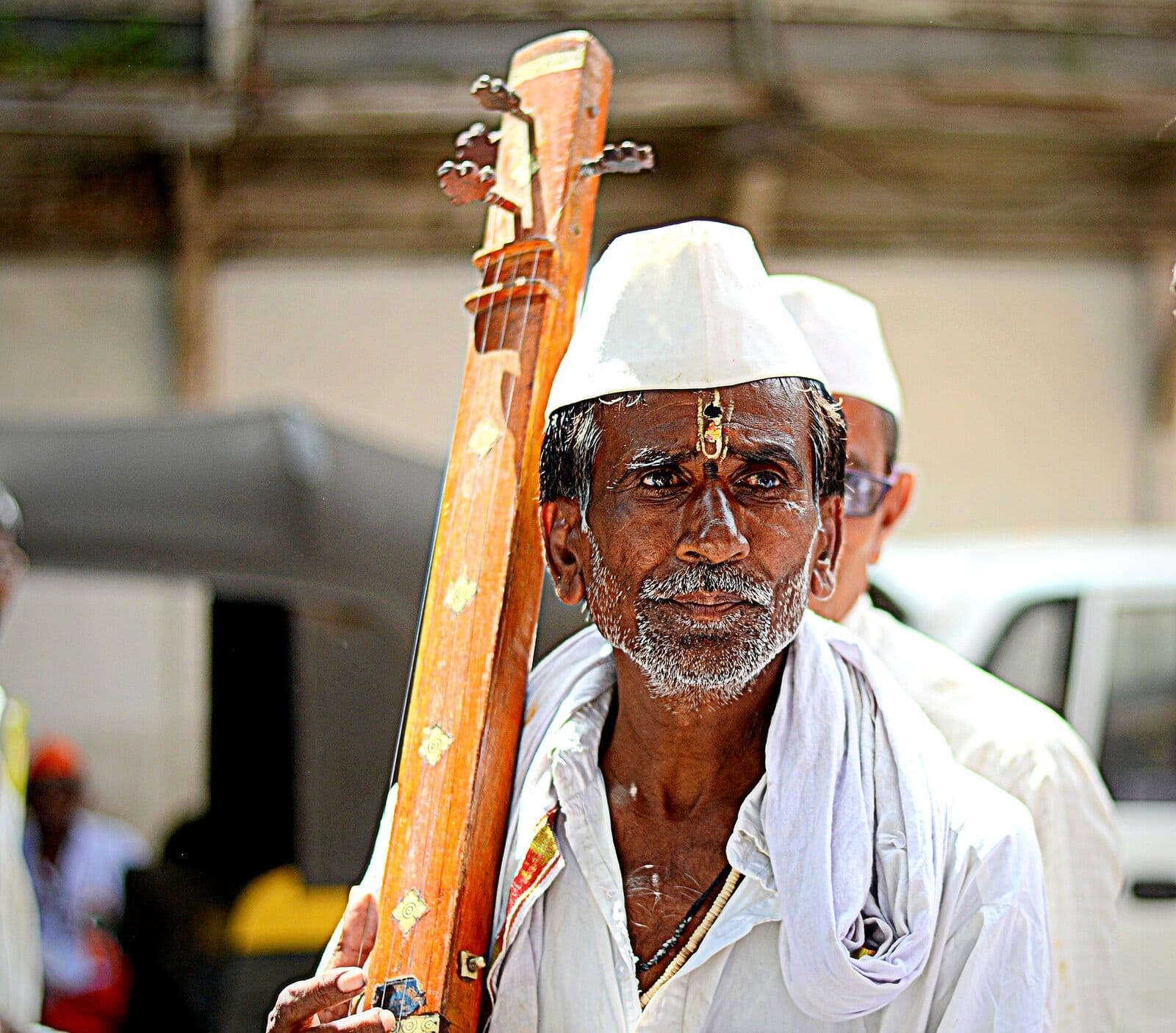
The Wari: Walking with Vithoba
For seven hundred years the road to Pandharpur has filled with pilgrims singing Tukaram and Dnyaneshwar — a university of devotion, twenty-one days long.
Feb 28, 2024·8 min read
Scriptures
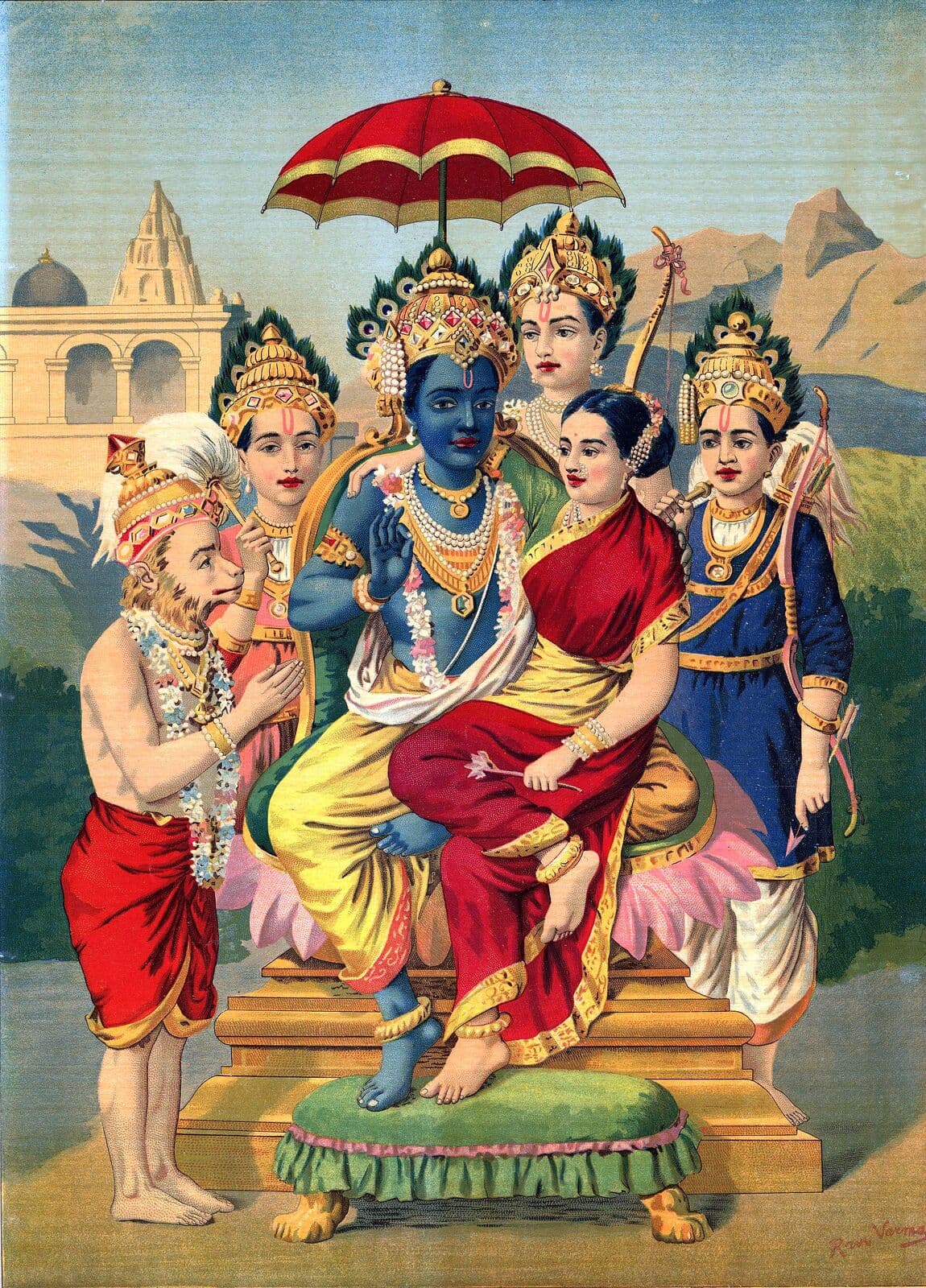
Why Rama Went to the Forest
The Ramayana's pivotal moment is a man treating his word as more real than his kingdom — and the epic never lets us forget the cost.
Mar 14, 2024·10 min read