Practice
Fasting as Focus: The Inner Logic of Ekadashi
Twice a lunar month, practitioners across sampradayas set food aside. The point was never the stomach.
Twice every lunar month, on the eleventh day after the new and full moons, observant households across India quietly change gear. Grains disappear from the kitchen; some take only fruit and milk; the strictest take nothing at all until the next sunrise. Ekadashi is possibly the most widely kept recurring observance in Sanatana Dharma, and to an outside eye it is easy to misfile as dietary superstition. The tradition's own understanding is more interesting: the fast is an instrument, and the instrument is aimed at attention.
Upavasa: to sit near
The Sanskrit word for fasting gives the game away. Upavasa means 'dwelling near' — near the deity, near the self. Food is not renounced because it is impure; it is set down for a day the way one sets down a phone before a serious conversation. The digestive economy that ordinarily commands so much of the body's energy, and the planning-acquiring-preparing cycle that commands so much of the mind's, are both given a holiday, and the freed resources are consciously redirected: the traditional Ekadashi is spent in extra japa, study, and satsang, not in heroic endurance. A fast without remembrance, the texts say bluntly, is merely hunger.
Fast from food if you can. But fast, above all, from what the mind eats.
The psychology is precise. Appetite is the most frequent, most automatic of desires; declining it on a fixed schedule is strength training for the will in its lightest gymnasium. The practitioner who can watch hunger arise, crest, and pass without obeying it has learned — in the body, where such lessons stick — that an urge is a suggestion, not a command. That lesson transfers. The tradition observed, long before behavioral science measured it, that self-command is a general capacity built by specific repeated acts.
The rhythm and the exceptions
The genius of Ekadashi is its rhythm — frequent enough to shape a temperament, spaced enough to be sustainable for householders with fields to plough and children to feed. The observance scales honestly: full nirjala fasting for the able; fruit and milk for most; and for the ill, the elderly, children, and pregnant women, the texts are unambiguous — their Ekadashi is kept by remembrance alone, and keeping it otherwise would itself break dharma. Ayurveda adds its own endorsement with the concept of langhana, therapeutic lightening, prescribed periodically to rekindle agni, the digestive fire.
Modern research on intermittent fasting has given the old practice a fashionable vocabulary, and there is no harm in the convergence. But it would be a small tragedy to reimport Ekadashi as a metabolic hack, minus the one ingredient the tradition considered essential. The empty stomach was never the achievement. It was the cleared desk — and what the practitioner was meant to do at that desk, twice a month for a lifetime, was remember what all the eating is for.
About the author
Prajna Insights Editorial DeskEditorial Desk
The collective byline for essays researched, drafted, and edited through the Prajna Insights editorial process, including AI-assisted drafting reviewed under Kiran Karanam's editorial responsibility.
Related Articles
Practice
Food as Medicine: The Wisdom of Ritucharya
Ayurveda's seasonal regimens treat the calendar as a physician and the kitchen as a pharmacy — a science of eating with the year.
Jan 17, 2024·7 min read
Culture & Heritage
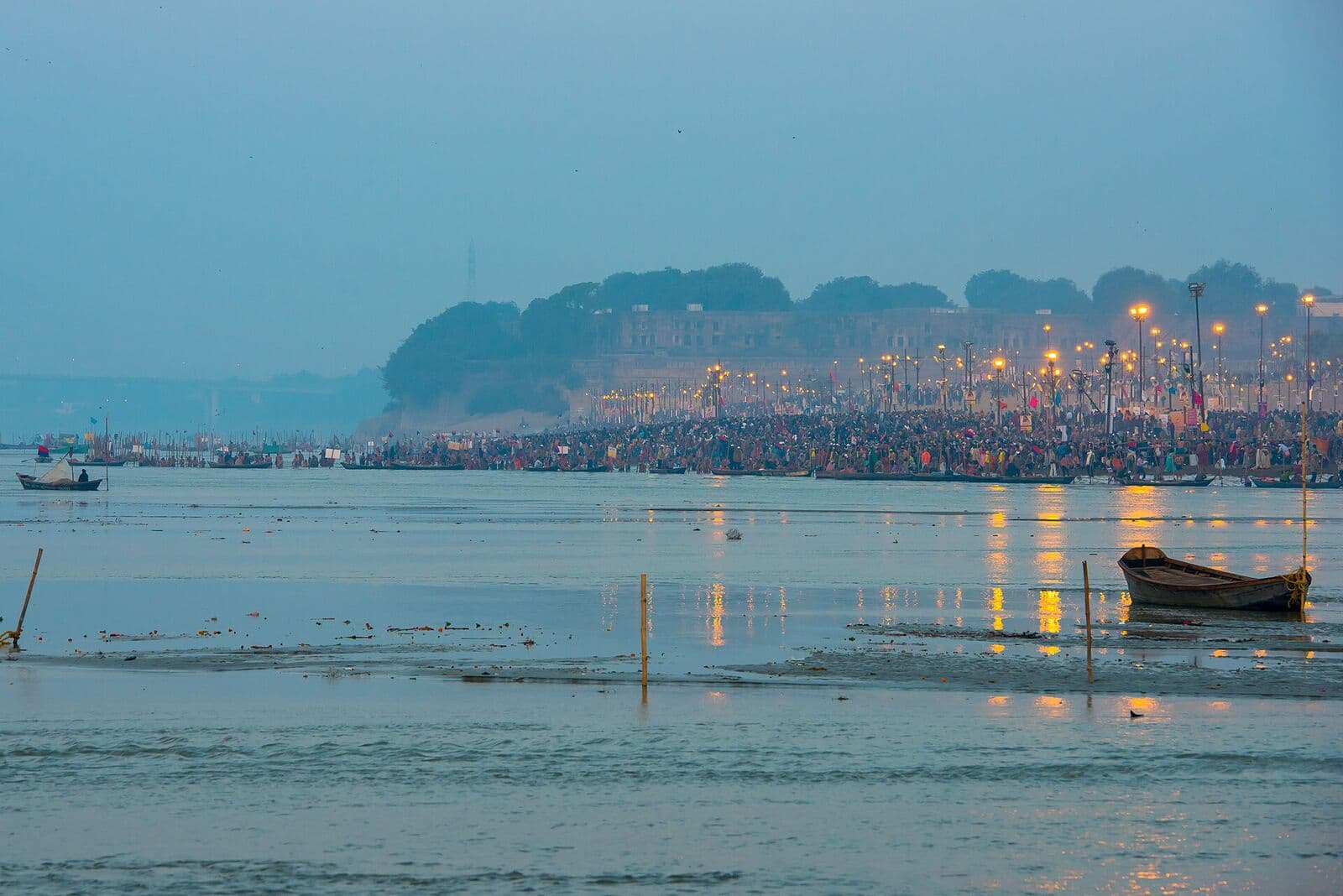
The Kumbh Mela: A River of Humanity
Tens of millions gather at the confluence of rivers with no tickets, no headliner, and no organizing committee older than the stars.
Mar 21, 2024·9 min read
Culture & Heritage
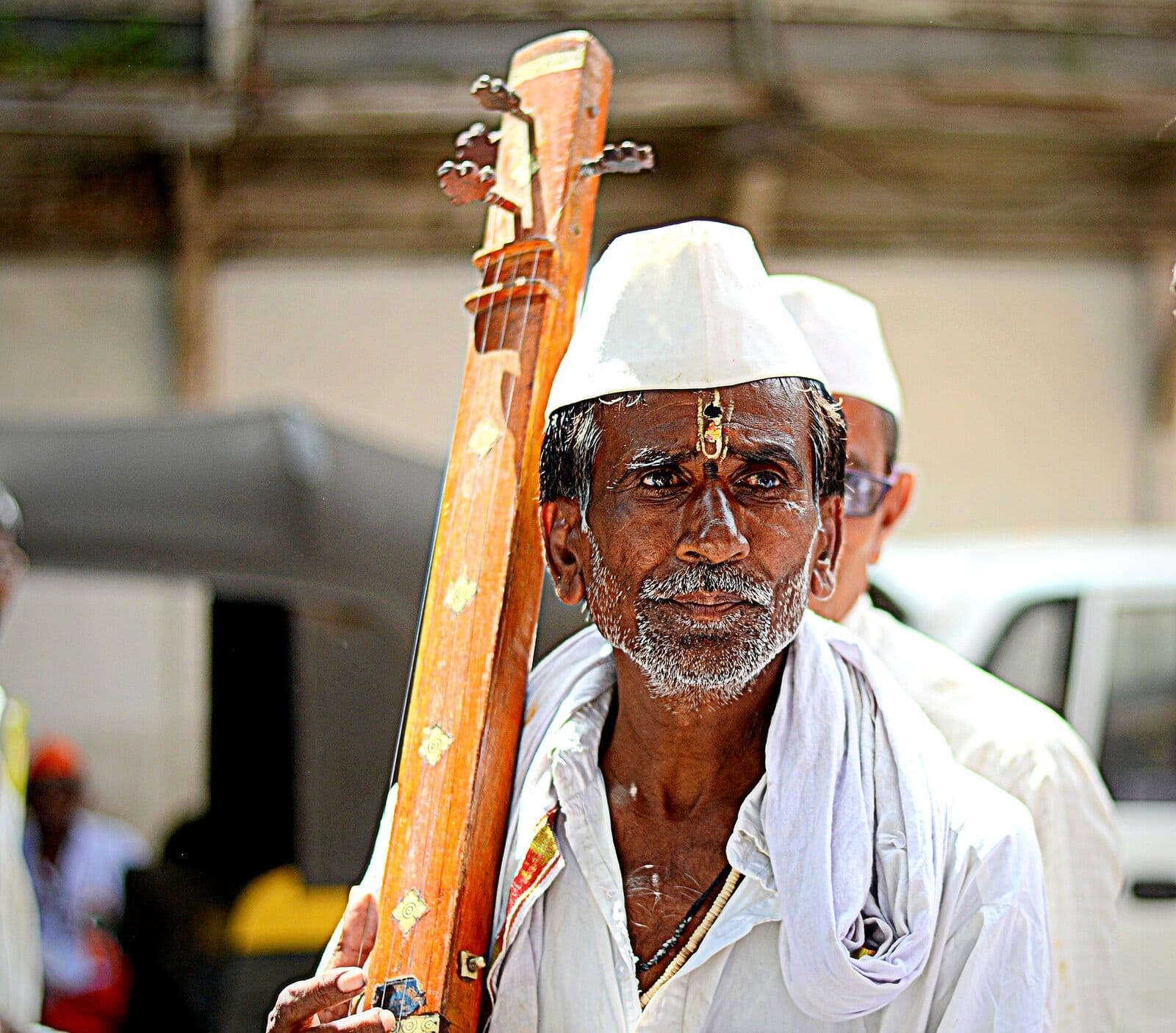
The Wari: Walking with Vithoba
For seven hundred years the road to Pandharpur has filled with pilgrims singing Tukaram and Dnyaneshwar — a university of devotion, twenty-one days long.
Feb 28, 2024·8 min read