Culture & Heritage
The Wari: Walking with Vithoba
Every year, for over seven centuries, hundreds of thousands have walked the road to Pandharpur singing the songs of the saints.
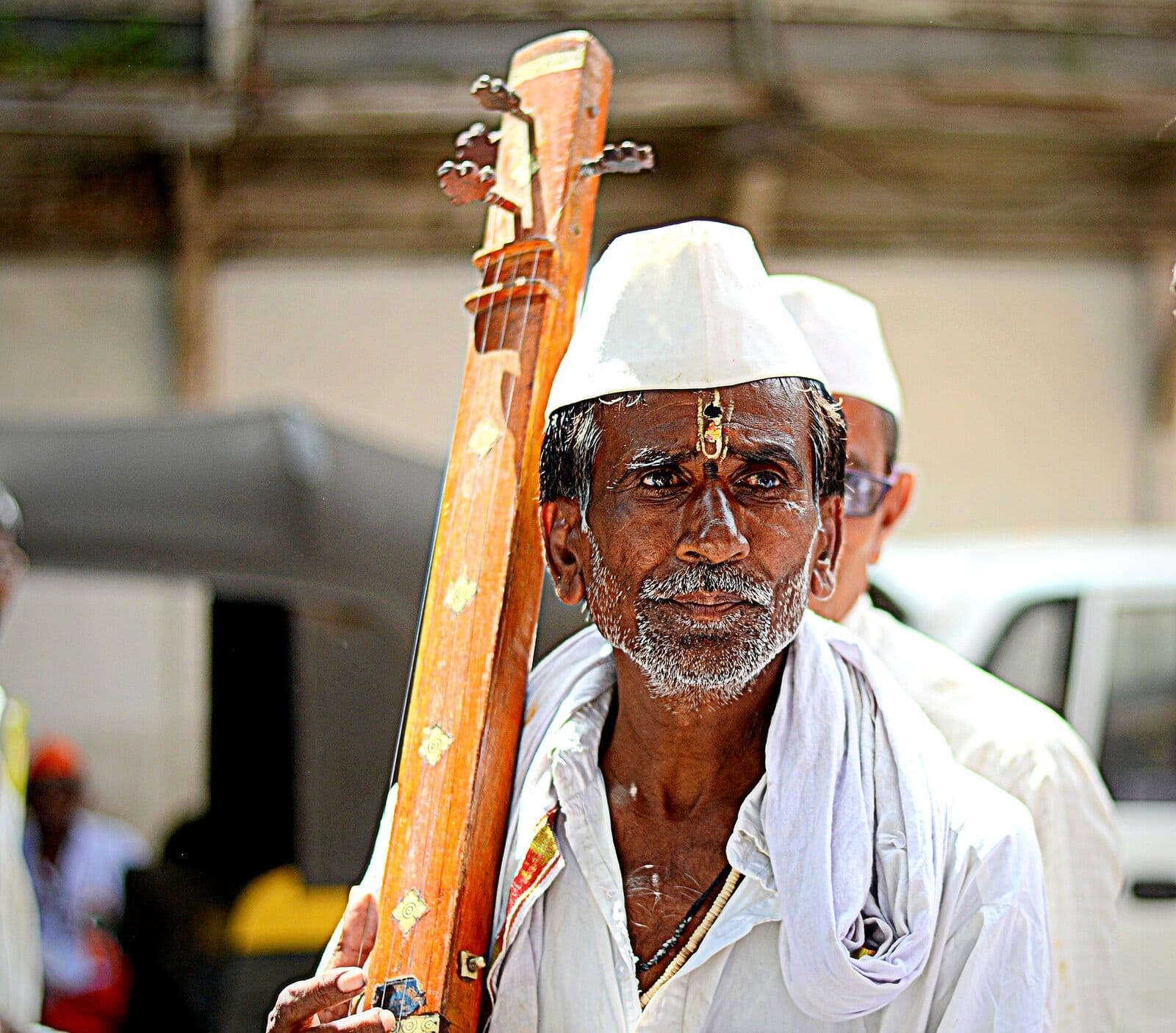
In the month of Ashadha, as the first monsoon clouds move across the Deccan, the roads of Maharashtra begin to fill with white caps and saffron flags. The Warkaris are walking to Pandharpur. They have been making this walk, in unbroken annual rhythm, since at least the thirteenth century — which means this procession is older than most nations, and has outlasted every empire that watched it pass.
A god who waits
The destination is a small dark deity standing on a brick, hands on hips: Vithoba, Vitthala, understood by the tradition as Krishna who came to visit his devotee Pundalik and was asked to wait while the devotee finished serving his parents. The god is waiting still. The theology packed into that image — divinity that stands patiently at the door of ordinary duty — is the entire Warkari sampradaya in miniature. This is a bhakti of householders: farmers, tailors, potters. Its saints were a tailor (Namdev), a maidservant (Janabai), a gardener (Savata Mali), an outcaste (Chokhamela), and a young excommunicated brahmin of genius (Dnyaneshwar). Its scripture is their songs.
Vithoba has waited on his brick for seven hundred years. The Warkaris walk to keep the appointment.
The university of the road
The wari is organized around palkhis — palanquins bearing the sandals (padukas) of the saints, walking from their home towns to Pandharpur: Dnyaneshwar's from Alandi, Tukaram's from Dehu, joined by dozens more. Pilgrims walk in dindis, disciplined marching groups each with its own kitchen, mridanga players, and flag; the day is structured by abhang singing — the short, stabbing devotional lyrics of the saints — sung antiphonally for hours as the column moves. A newcomer expects an ordeal and finds, instead, a festival that happens to cover twenty kilometres a day. Villages en route feed thousands as an honour. The old are helped, the ill are carried, and the ringan — the spectacular circular running of the sacred horse through the crowd — turns a highway into a mandala.
Scholars have called the wari a mobile university of Marathi culture, and the description is exact. A child who walks it absorbs seven centuries of poetry, music, egalitarian theology, and logistics without opening a book. The songs carry the philosophy: Dnyaneshwar's Advaita tenderness, Tukaram's blazing directness — we go to Pandhari, singing; dying, we would go singing — Chokhamela's dignified protest against exclusion, sung inside the tradition that excluded him and eventually enshrined him at the temple's very door.
What the walk knows
Why walk for three weeks to see a god you could reach by bus in a day? Every Warkari answers the same way, with slight smiles, as if the question misses the point: the walk is the darshan. On the road, caste blurs at the common kitchen; the body's complaints become rhythm; the name of Vitthala, repeated for three hundred kilometres, wears a channel in the mind that stays open all year. The wari is bhakti's answer to a question the philosophical schools argued in Sanskrit — how is the divine to be reached? — delivered in the only language everyone speaks: one foot, then the other, together, singing.
About the author
Prajna Insights Editorial DeskEditorial Desk
The collective byline for essays researched, drafted, and edited through the Prajna Insights editorial process, including AI-assisted drafting reviewed under Kiran Karanam's editorial responsibility.
Related Articles
Culture & Heritage
The Kumbh Mela: A River of Humanity
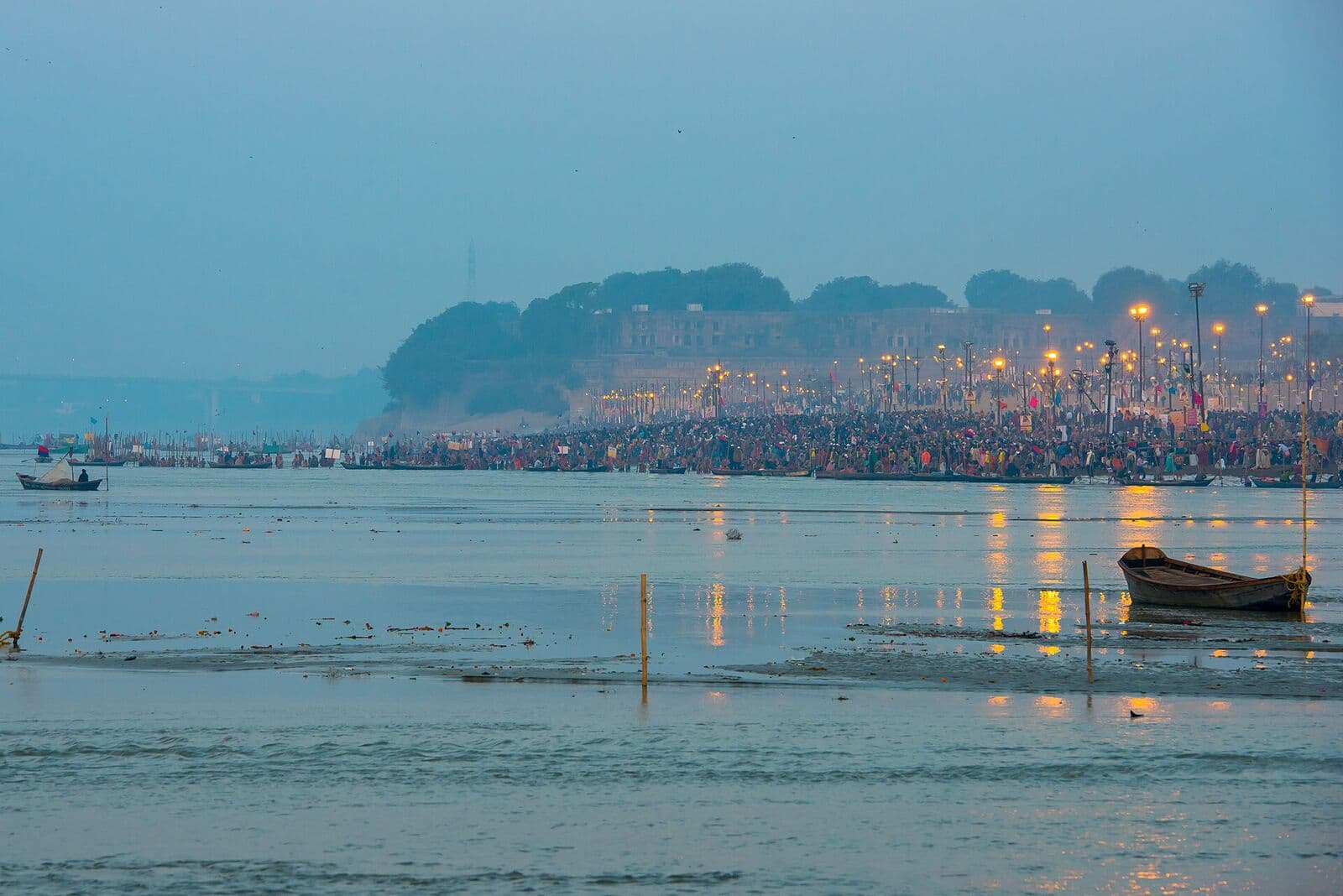
Tens of millions gather at the confluence of rivers with no tickets, no headliner, and no organizing committee older than the stars.
Mar 21, 2024·9 min read
Culture & Heritage
The Meaning of Diwali
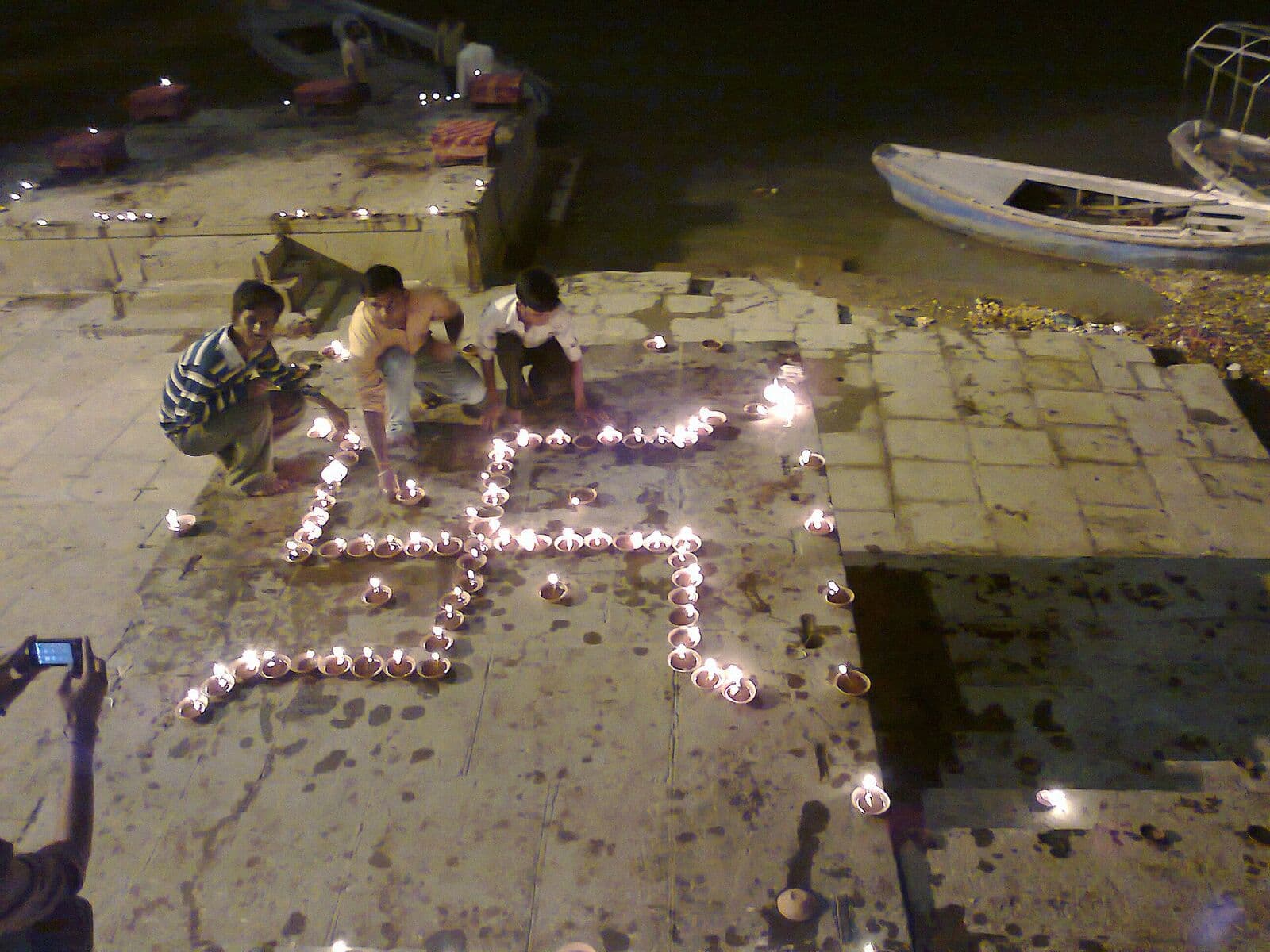
The festival of lamps is a five-day meditation on light, wealth rightly held, and homecoming — older and deeper than its fireworks.
Jan 24, 2024·7 min read
Practice
Fasting as Focus: The Inner Logic of Ekadashi
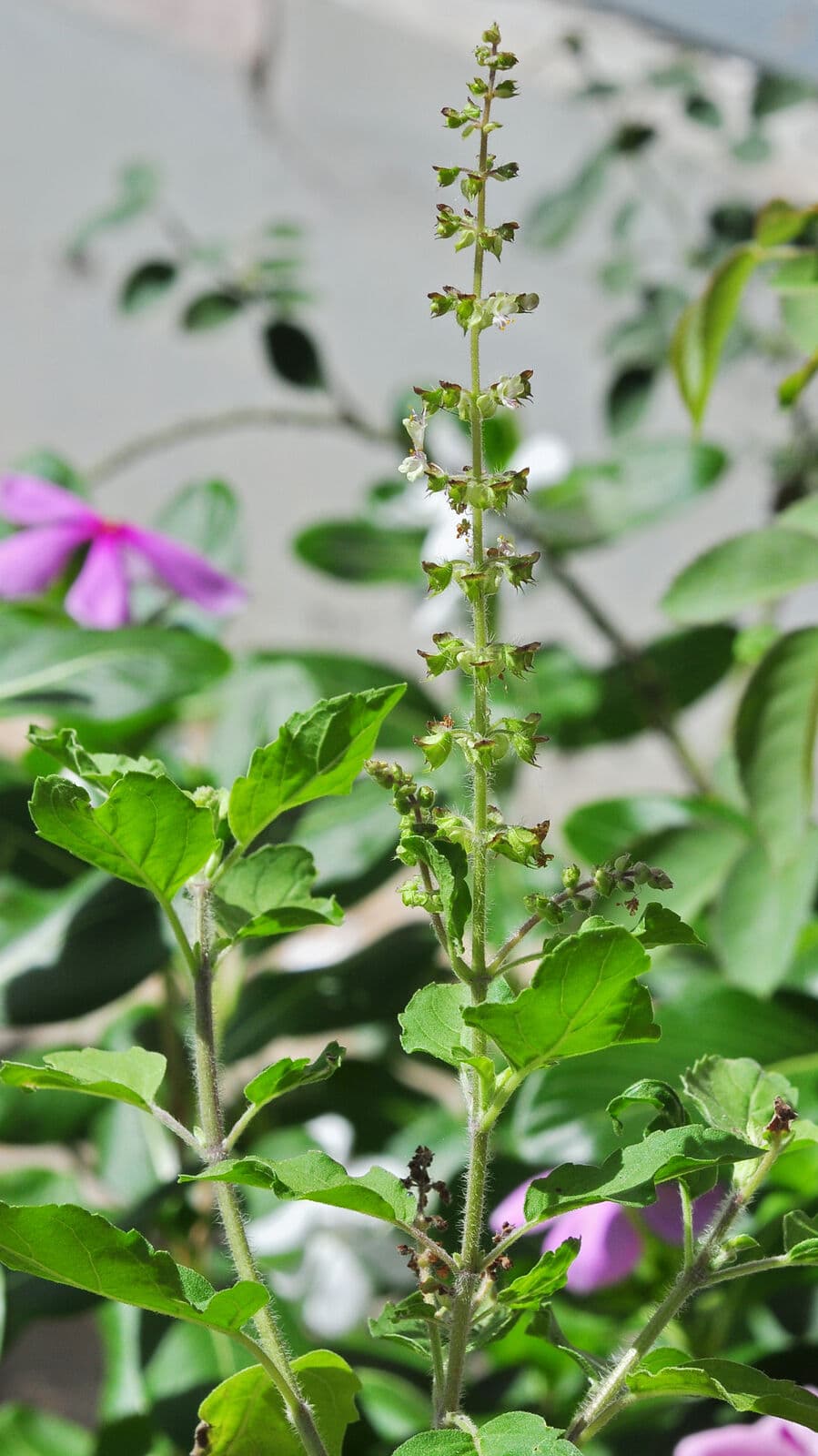
The elegant psychology behind the tradition's twice-monthly fast — and what an empty stomach has to do with a full attention.
Feb 14, 2024·6 min read