Temples
Chola Temples: Engineering Eternity
A thousand years ago, Rajaraja Chola raised a sixty-six-metre stone tower without mortar. It has not moved since.
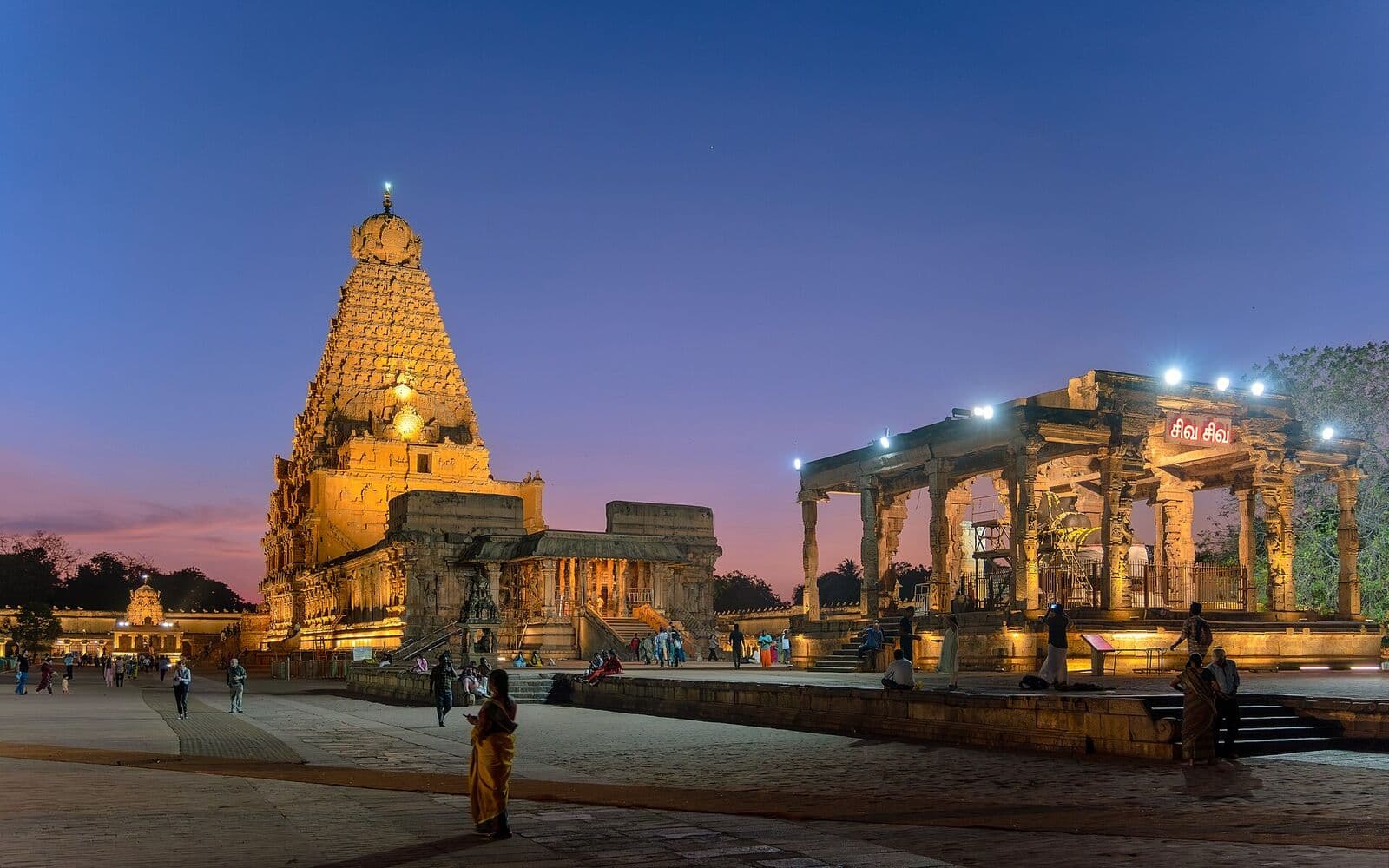
In the year 1010, the emperor Rajaraja I consecrated a temple at Thanjavur whose central tower rose sixty-six metres — the tallest structure in India, built entirely of interlocked granite, in a river delta with no granite for fifty kilometres. The Brihadisvara has now stood for a thousand years. Its builders left us their names, their accounts, and their salaries, engraved on its walls. What they did not leave is any doubt about their intentions: the inscriptions call it, simply, the great temple of stone.
The audacity of the vimana
Everything about the design courts impossibility. An estimated 130,000 tonnes of granite, quarried at distance, hauled by barge and causeway. A tower of thirteen diminishing storeys, hollow within, its walls battered inward with a precision that leaves the summit aligned over the sanctum to within centimetres. At the top, an octagonal cupola whose crowning elements weigh around eighty tonnes — raised, most scholars believe, by an earthen ramp kilometres long, though local tradition prefers elephants and a spiral. No mortar anywhere: every course is locked by weight and geometry, which is why a millennium of monsoons, six recorded earthquakes, and the collapse of the empire that built it have altered nothing structural.
We know the dancer's name who held the third position in the second row. Her salary is on the wall. The building remembers everyone.
The temple as a state in stone
The epigraphy is as astonishing as the engineering. Rajaraja's administrators covered the plinth with inscriptions itemizing the temple's endowment: villages assigned, gold weighed to the kalanju, lamps to be lit in perpetuity, and personnel — including four hundred dancers, listed by name, street of residence, and allowance. The temple was the delta's central bank, employer, granary, and stage. Reading the walls, one understands that the tower's function was only partly religious: it was the empire's argument, in the most durable medium available, that its order was cosmic order.
A dynasty's dialogue
The conversation continued for generations. Rajaraja's son Rajendra, having marched his armies to the Ganga, built his own capital and temple — Gangaikonda Cholapuram — with a tower deliberately a few metres shorter than his father's, its profile softened from his father's severe pyramid into a subtle concave curve: filial piety expressed in structural geometry. A century on, the Airavatesvara at Darasuram shrank the scale and lavished everything on detail — a mandapa as a stone chariot with wheels, steps that ring musical notes. The three are now a single UNESCO listing, and together they read like a family's letters: the father's ambition, the son's disciplined deference, the grandchildren's refinement.
A visitor today sees living temples, not monuments — the Brihadisvara's priests still perform the daily worship Rajaraja endowed. Stand at dusk when the granite goes amber and the tower's shadow walks across the courtyard, and the building performs its real function one more time: it makes a thousand years feel like a reasonable unit of planning.
About the author
Prajna Insights Editorial DeskEditorial Desk
The collective byline for essays researched, drafted, and edited through the Prajna Insights editorial process, including AI-assisted drafting reviewed under Kiran Karanam's editorial responsibility.
Related Articles
Temples
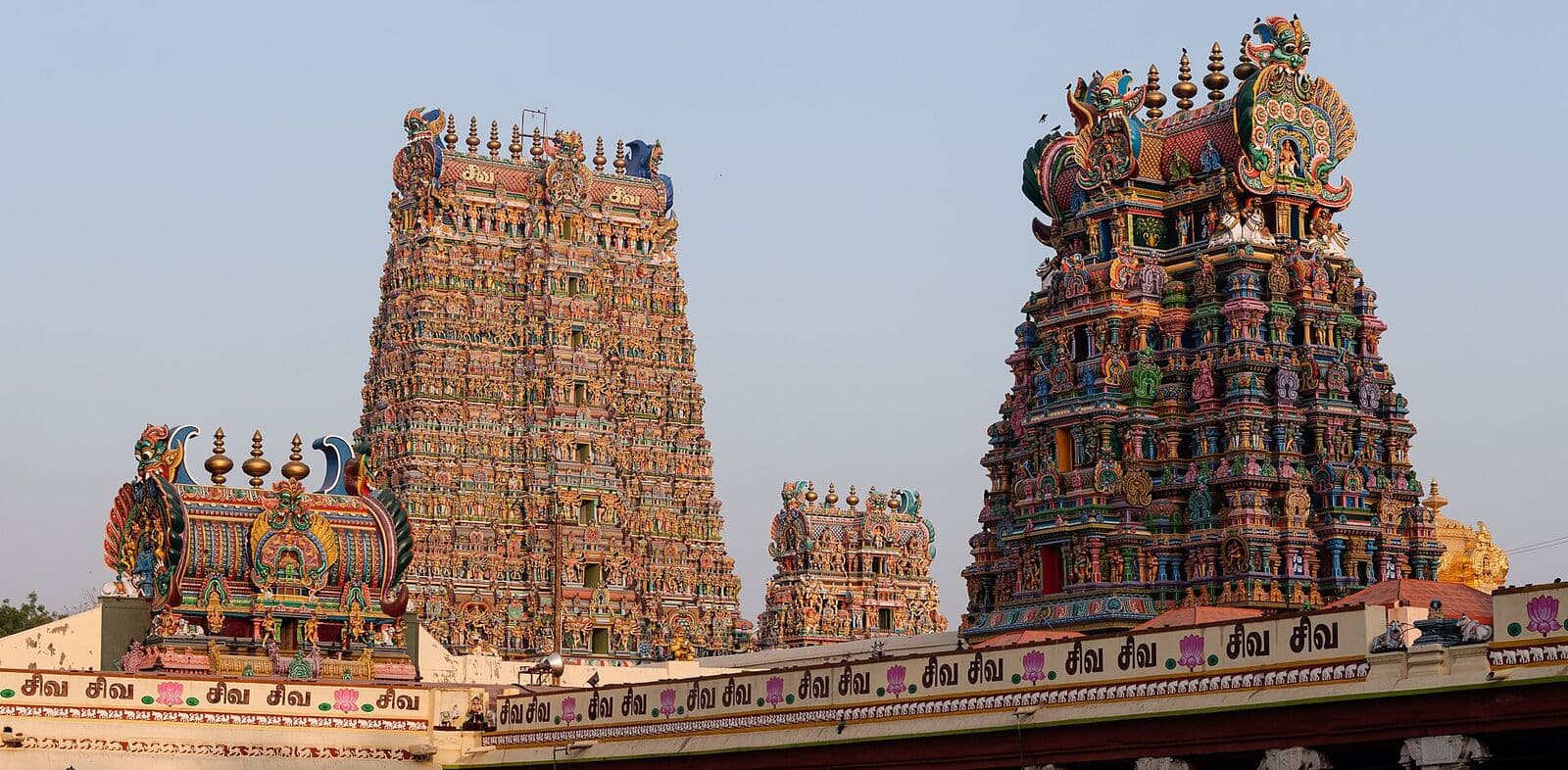
The Grammar of the Gopuram
Why the towering gateways of South Indian temples are built the way they are — a thousand-year architectural syntax, decoded.
Apr 11, 2024·10 min read
Temples
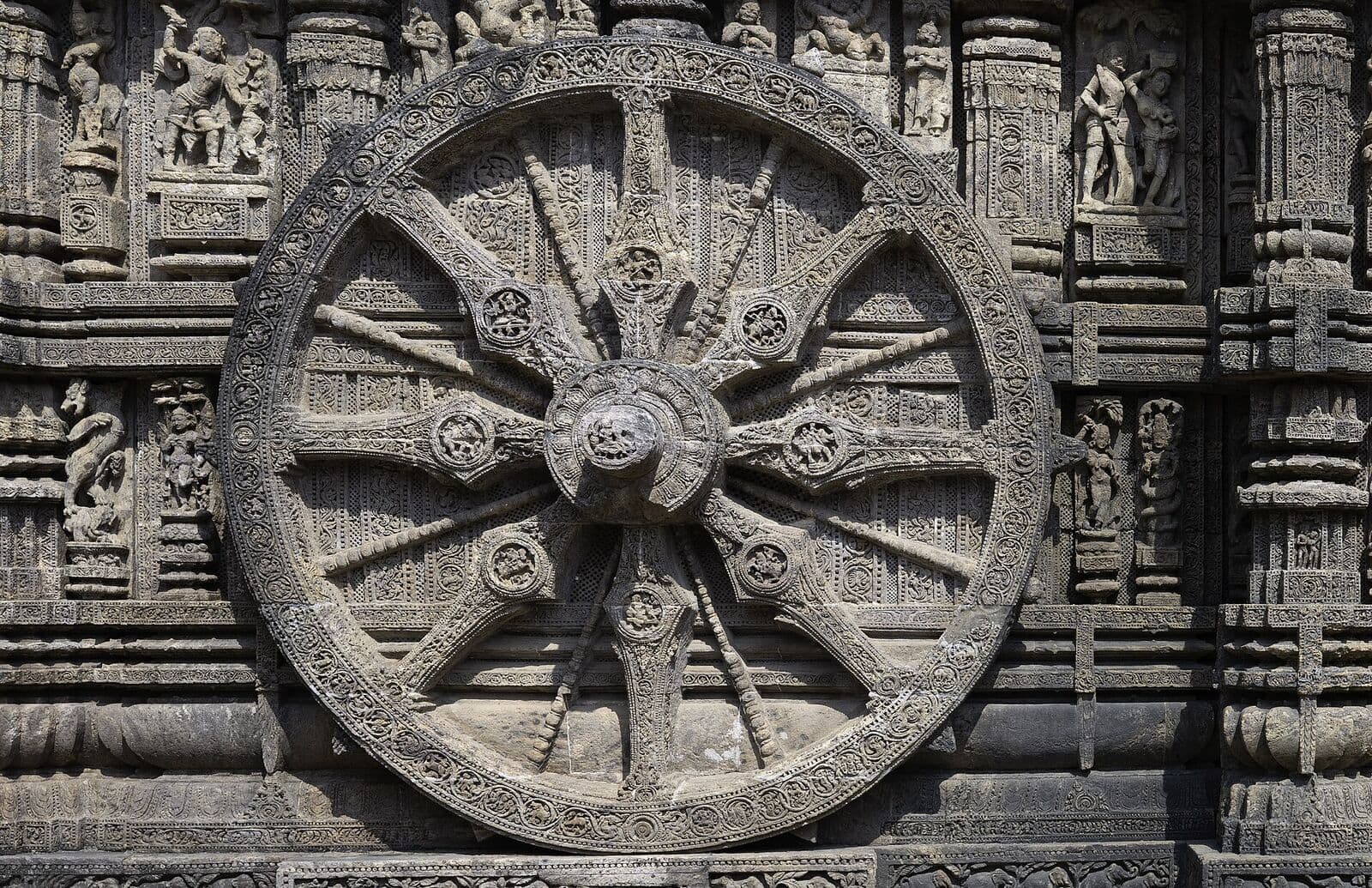
Konark: The Chariot of the Sun
The Sun Temple at Konark is a cosmological machine disguised as architecture — twelve pairs of wheels, seven horses, and a sanctum facing the dawn.
Jan 31, 2024·9 min read
Temples
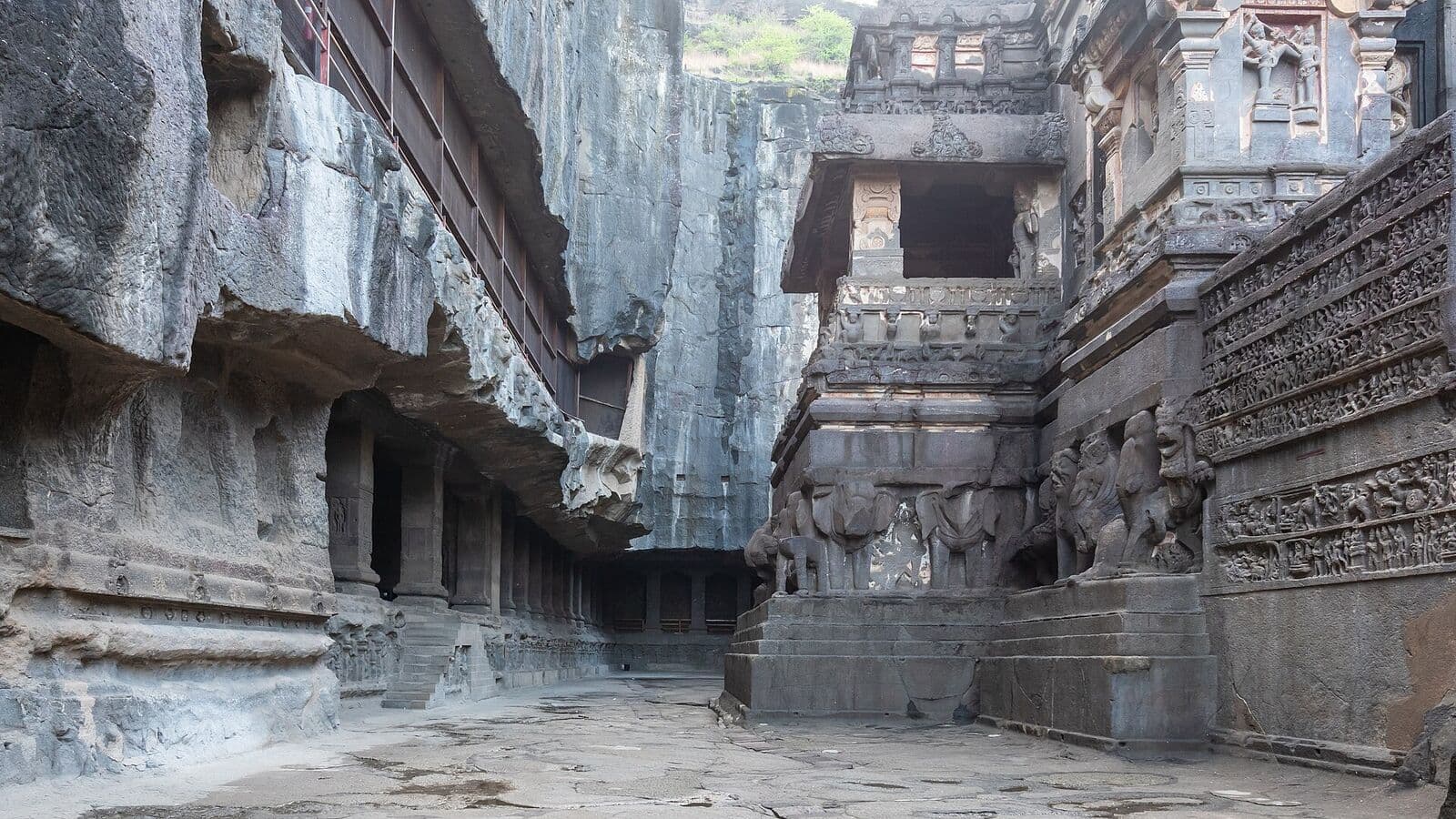
Ellora: Carving a Mountain into Prayer
At Ellora, eighth-century artisans removed two hundred thousand tonnes of basalt to reveal a temple that was inside the mountain all along.
Dec 13, 2023·12 min read