Temples
Konark: The Chariot of the Sun
On the Odisha coast, a thirteenth-century king built the sun a chariot of stone — with wheels that tell time.
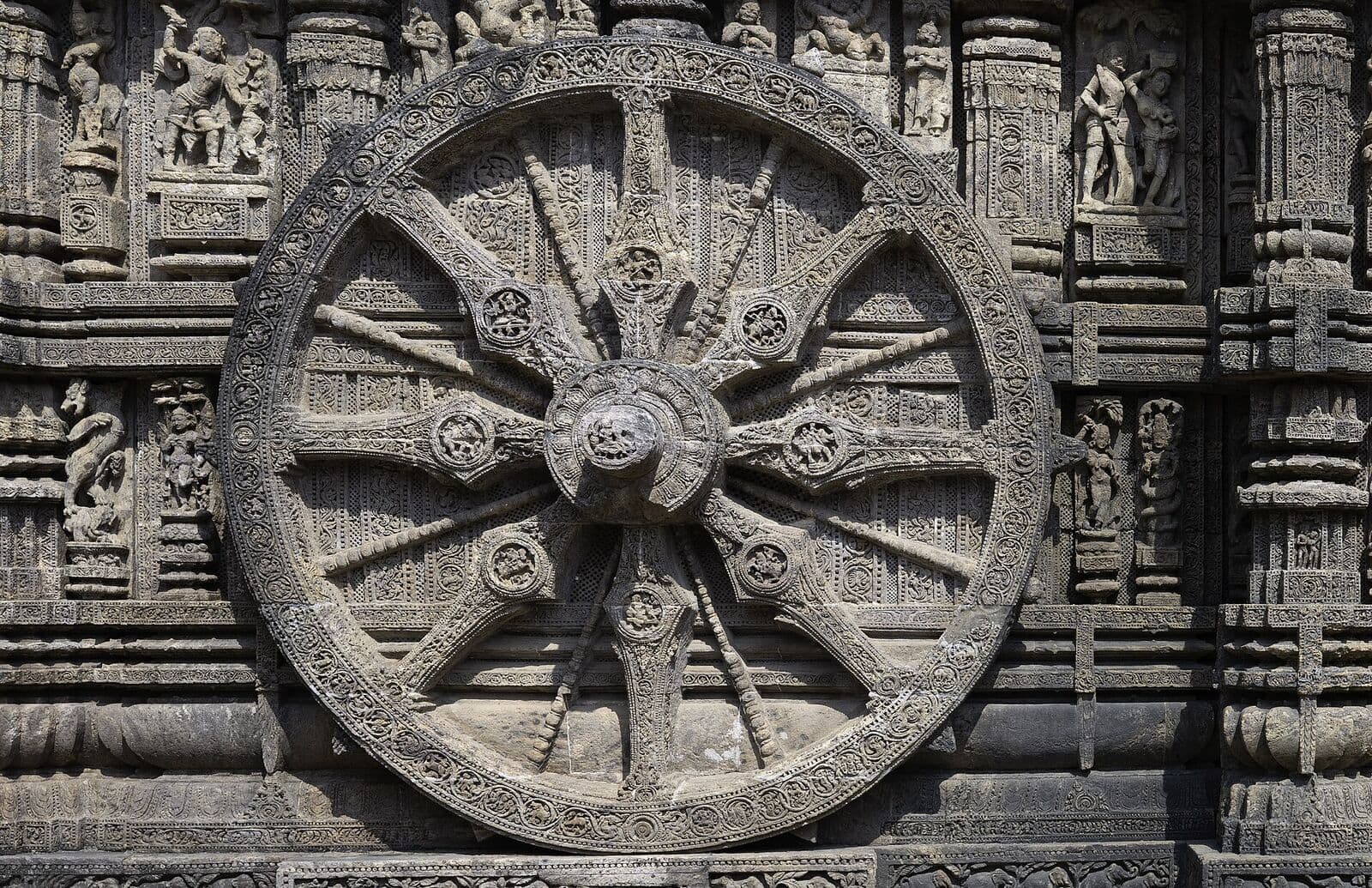
The Vedic hymns describe Surya crossing the sky in a chariot drawn by seven horses. In the 1250s, King Narasimhadeva I of the Eastern Ganga dynasty took the metaphor literally: at Konark, near the Odisha shore, he built the chariot — an entire temple conceived as the sun's vehicle, with twelve pairs of carved stone wheels along its flanks and seven straining horses at its stairway. It is the most audacious act of architectural metaphor in India, and perhaps anywhere.
A machine of time
The iconographic program is a calendar in sandstone. Twenty-four wheels: the hours of the day, or the twelve months in their bright and dark halves. Seven horses: the days of the week, or the seven metres of the Veda, or the seven colours the tradition heard in sunlight — the commentators offer all three, and the building accepts them all. Each wheel is some three metres across, its eight major spokes dividing the day into three-hour prahara, its rim beaded with finer graduations; guides demonstrate daily that several wheels function as sundials, the shadow of an inserted finger reading local time to within minutes. The whole structure is oriented so that dawn light ran through the eastern doorway toward the sanctum. The temple does not merely honour the sun; it participates in the sun's business, which is the measurement of time.
Konark does not depict the sun's chariot. It volunteers to be it.
Engineering at the edge
The main sanctum tower, estimated at some seventy metres, would have been among the tallest structures in medieval India — raised on river-delta sand. It no longer stands; the surviving jagamohana (audience hall), itself nearly forty metres of corbelled stone, was filled with sand and sealed by British engineers in 1903 to save it, and remains sealed. Legend insists on a massive lodestone at the summit that held the structure — and confused mariners' compasses — until its removal began the decline; geologists shrug, but the story preserves a truth: contemporaries felt the building exerted force. European sailors, less romantic, marked it on charts as the Black Pagoda, a navigational hazard and wonder in one.
The sculpture deserves its own pilgrimage: musicians and dancers ringing the terraces in life-size joy; elephants, warhorses, and — with the frankness that startles visitors at Odishan and Khajuraho temples alike — the celebrated erotic panels, the whole of life carried on the chariot without editorial embarrassment.
The wheel that became an emblem
Broken as it is, Konark radiates outward through Indian iconography. Its wheel — the konark chakra — appears on the twenty-rupee note and stands behind the Dharmachakra on the national flag's lineage of associations; the temple is a UNESCO World Heritage Site and the centerpiece of Odisha's cultural identity. Every February, classical dancers perform against its floodlit ruin at the Konark festival — art returning to a building that always understood itself as performance. The chariot has not moved in eight centuries. It has also never stopped.
About the author
Prajna Insights Editorial DeskEditorial Desk
The collective byline for essays researched, drafted, and edited through the Prajna Insights editorial process, including AI-assisted drafting reviewed under Kiran Karanam's editorial responsibility.
Related Articles
Temples
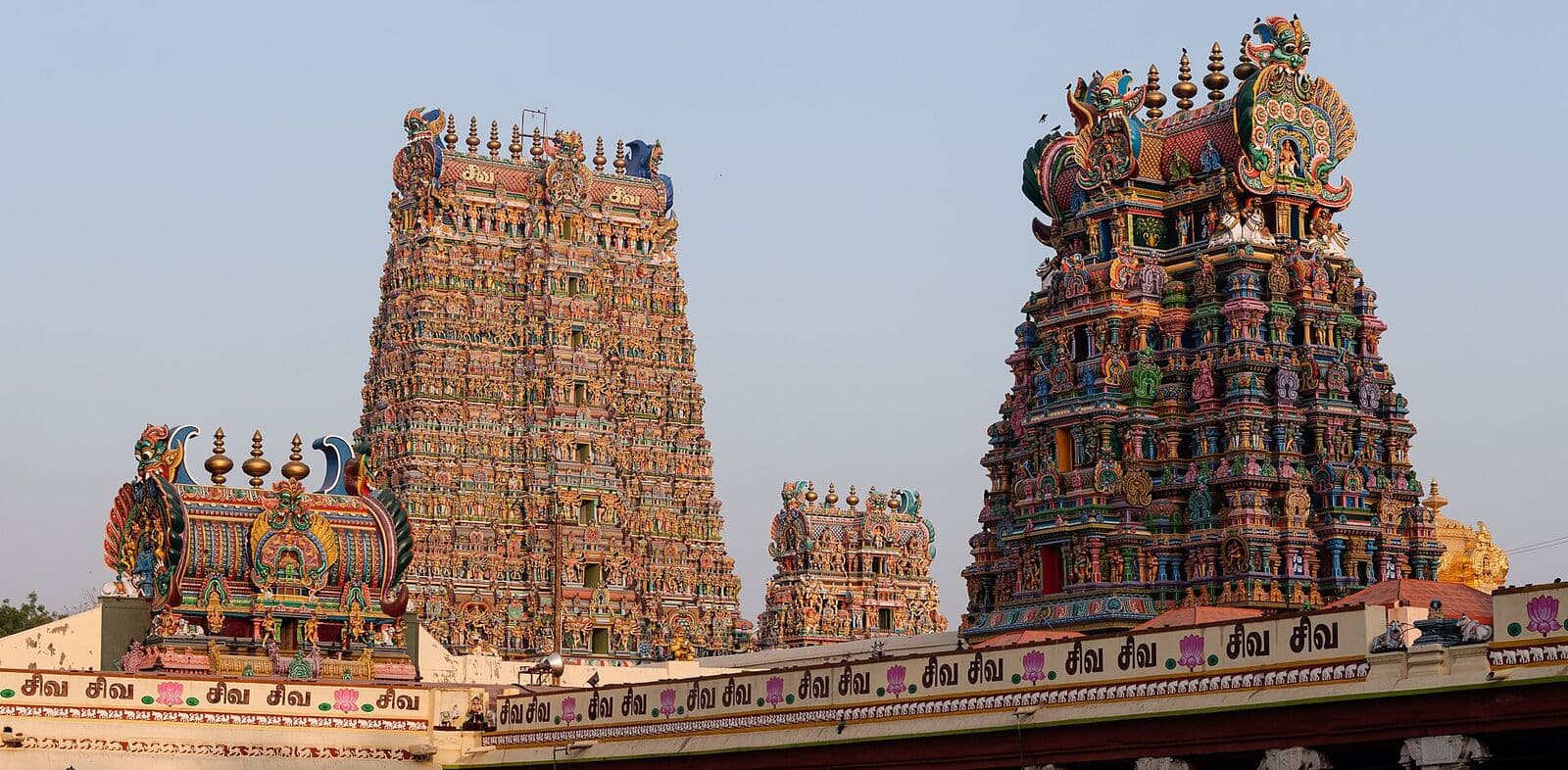
The Grammar of the Gopuram
Why the towering gateways of South Indian temples are built the way they are — a thousand-year architectural syntax, decoded.
Apr 11, 2024·10 min read
Temples
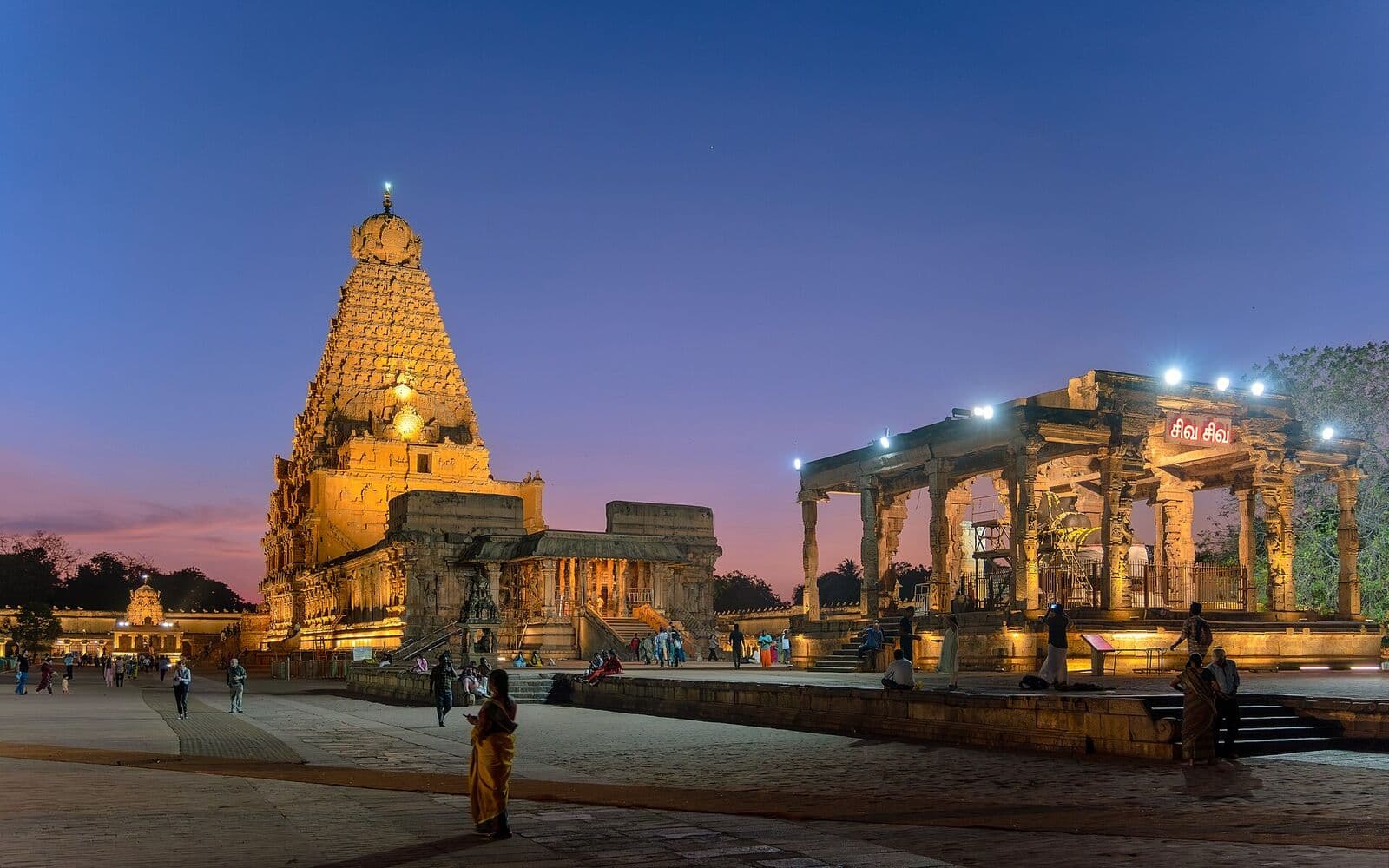
Chola Temples: Engineering Eternity
The Brihadisvara temple at Thanjavur is a thousand-year-old feat of engineering audacity — built without mortar, standing without repair.
Mar 7, 2024·11 min read
Temples
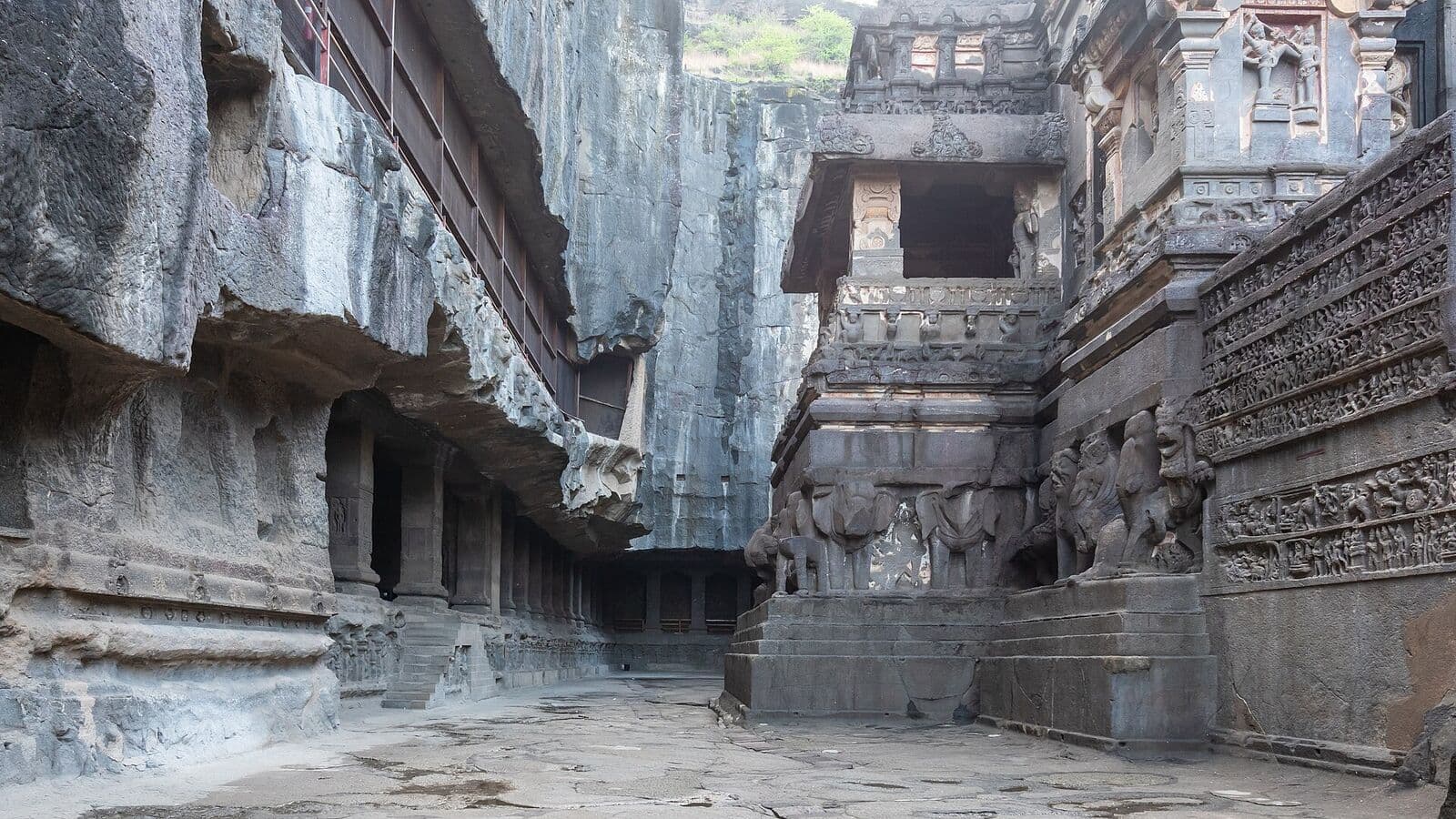
Ellora: Carving a Mountain into Prayer
At Ellora, eighth-century artisans removed two hundred thousand tonnes of basalt to reveal a temple that was inside the mountain all along.
Dec 13, 2023·12 min read