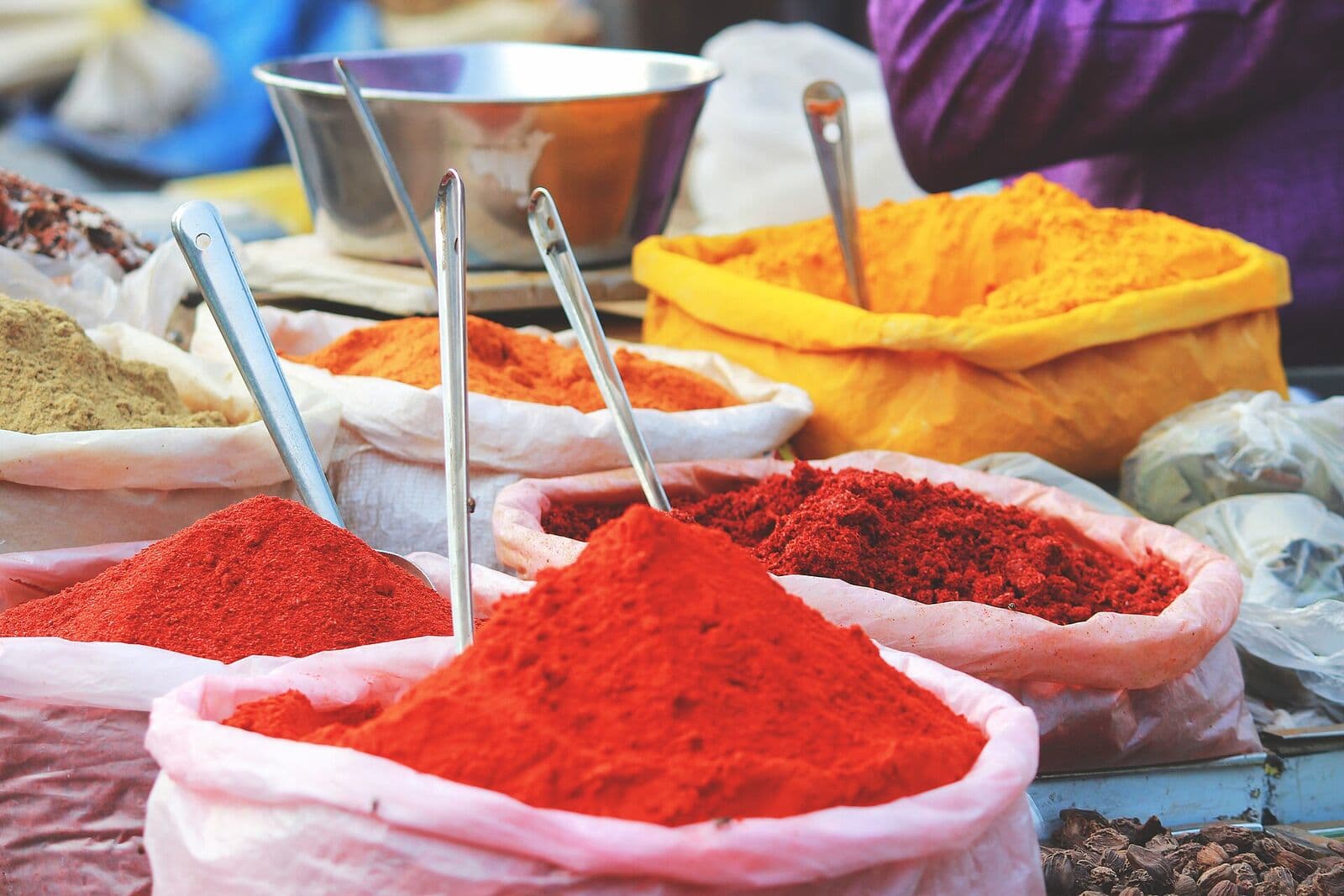
Practice
Food as Medicine: The Wisdom of Ritucharya
Ayurveda's seasonal regimen treats the year as a prescription — and the kitchen as the first pharmacy.
The Charaka Samhita makes a claim that sounds extreme until you sit with it: without proper diet, medicine is useless; with proper diet, medicine is unnecessary. The exaggeration is pedagogical, but the hierarchy is sincere. In Ayurveda, food is the first and continuous therapy — pathya, the way — and its prescription changes with a variable modern nutrition barely models: the time of year.
The year as physician
Ritucharya — the regimen (charya) of the seasons (ritu) — rests on a simple observation with deep consequences: the body is not the same body in July as in January. The classical texts divide the year into six seasons and track how each affects agni, the digestive fire, and the doshas. In the monsoon, agni gutters; the texts counsel light, warm, sour-leaning food, old grains, boiled water. Autumn's accumulated heat calls for sweet, bitter, cooling things — the season of milk, rice, and moonlight meals the poets also noticed. Winter, when agni burns strongest, is the license for richness: the heavy, the sweet, the oily, the strengthening — which is why traditional India does its feasting and its wedding seasons in the cold months and its fasting in the wet ones. Spring, as kapha melts like the snows, demands the opposite: pungent, bitter, astringent, honey, barley — the internal spring-cleaning that festivals like Holi's bonfires externalize.
Eat with the season and the season is your physician. Eat against it and the season is your disease.
Look once at this schedule and half the traditional calendar decodes itself: the foods of every festival are, almost without exception, the foods Ayurveda prescribes for that fortnight. Culture did the compliance work; the pharmacology travelled as celebration.
The grammar of a meal
Within any season, Ayurveda analyses food along axes richer than calories: rasa (six tastes — sweet, sour, salty, pungent, bitter, astringent — a complete meal touches all six), virya (heating or cooling potency), vipaka (post-digestive effect), and guna (heavy, light, dry, unctuous). The rules that follow are the ones grandmothers enforced without citation: eat your heaviest meal at midday when agni is highest; do not eat before the previous meal has cleared; favour fresh and warm over stale and cold; sit down; attend to the food. Charaka adds the clause our era most needs: even wholesome food, eaten in anxiety or anger, is not digested as wholesome. The mind is an ingredient in every meal.
Recovering the kitchen
None of this requires mystifying the tradition or rejecting modern nutrition; the two increasingly converge — on seasonal eating, on meal timing, on the gut as a second brain that Ayurveda simply called the seat of health. What ritucharya restores is the unit of attention: not the nutrient, but the eater — this person, this constitution, this season, this plate. The pharmacy, it turns out, was never far away. It is the kitchen, resupplied six times a year by a physician who has kept every appointment for four billion years and sends the prescription as weather.
Header image: Akhil Chandran akhiltchandran / Wikimedia Commons, CC0
About the author
Prajna Insights Editorial DeskEditorial Desk
The collective byline for essays researched, drafted, and edited through the Prajna Insights editorial process, including AI-assisted drafting reviewed under Kiran Karanam's editorial responsibility.
Related Articles
Practice
Fasting as Focus: The Inner Logic of Ekadashi
The elegant psychology behind the tradition's twice-monthly fast — and what an empty stomach has to do with a full attention.
Feb 14, 2024·6 min read

Culture & Heritage
The Kumbh Mela: A River of Humanity
Tens of millions gather at the confluence of rivers with no tickets, no headliner, and no organizing committee older than the stars.
Mar 21, 2024·9 min read
Culture & Heritage
The Wari: Walking with Vithoba
For seven hundred years the road to Pandharpur has filled with pilgrims singing Tukaram and Dnyaneshwar — a university of devotion, twenty-one days long.
Feb 28, 2024·8 min read