Temples
Varanasi: The City That Remembers
Older than memory and busier than ever, Kashi is where India goes to face what other cities are built to forget.
Mark Twain, who saw it in 1896, produced the sentence every writer on Varanasi has envied since: older than history, older than tradition, older even than legend, and looking twice as old as all of them put together. Archaeology broadly sustains the boast — continuous settlement here runs back some three thousand years, making Kashi one of the oldest continuously inhabited cities on earth. But age is the least of what the city knows.
The city facing the sunrise
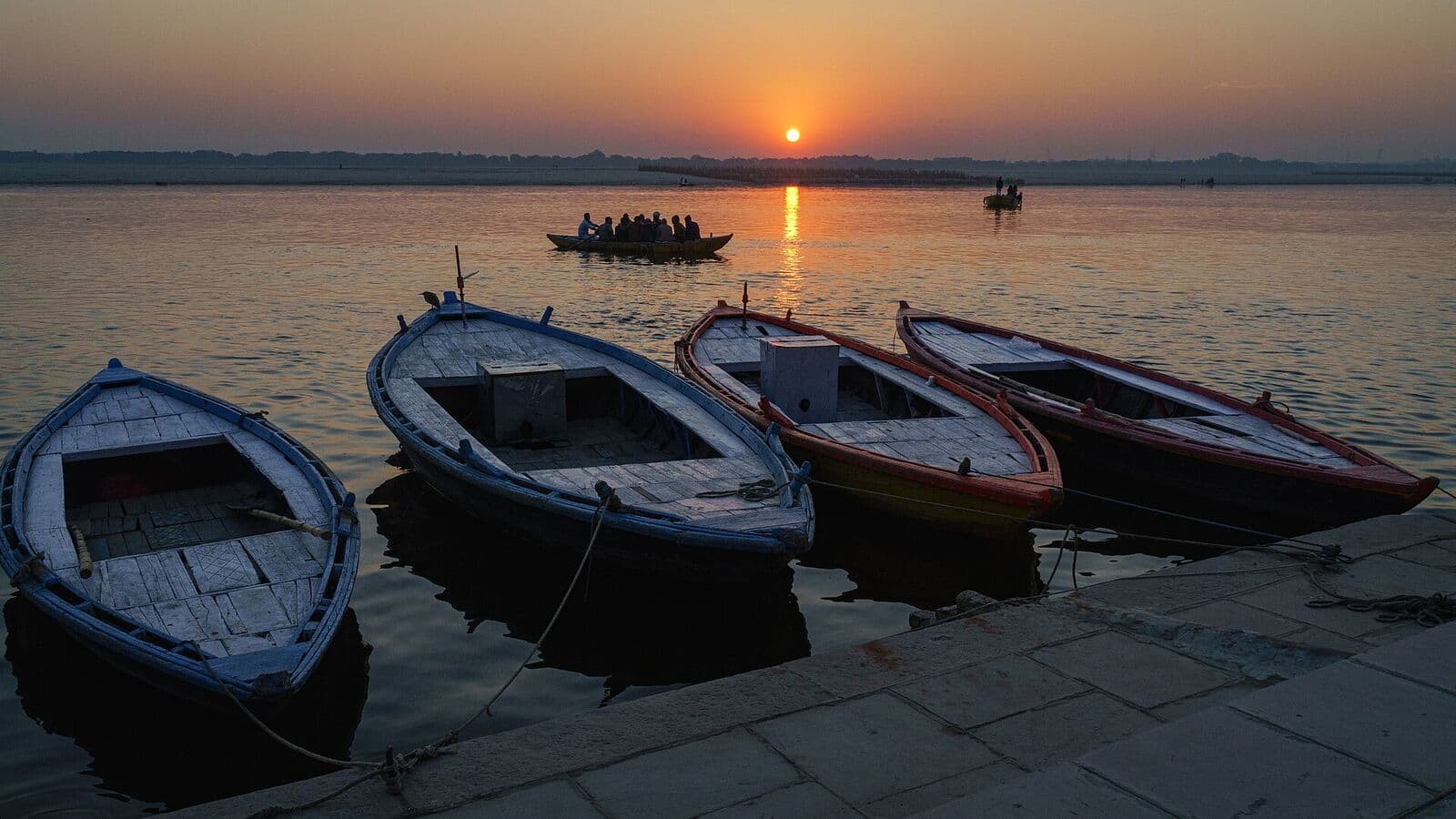
Varanasi's essential fact is geographic: here the Ganga, flowing generally south-east, bends and runs briefly north, so that the city, built entirely on the western bank, faces the rising sun across open water. The eastern bank is left substantially empty — sand, mist, sky. The arrangement makes the city a permanent congregation and the river a permanent altar; some eighty-eight ghats — stone stairways descending to the water — form an amphitheatre four kilometres long in which the audience and the performance are the same people: bathers, pilgrims, wrestlers, priests, boatmen, the dying, the mourning, the utterly ordinary, all lit from the east.
Kashi means 'the luminous'. The city is named not for what it contains but for what it reveals.
Where death is not hidden
Every other city humanity has built pushes death to the perimeter. Varanasi walks it through the middle of town. At Manikarnika and Harishchandra ghats the cremation fires have burned, the tradition insists, without interruption for thousands of years; funeral processions thread the same lanes as wedding parties, chanting that the name of Rama is truth. To die in Kashi, the tradition holds, is liberation — Shiva himself whispers the crossing-mantra in the dying ear — and so for centuries the old have come here deliberately, to wait. The visitor expects morbidity and finds its opposite: a city in which mortality, faced daily in the open, has lost its power to organize life around fear. The lesson is the Katha Upanishad's — Nachiketa's insistence on questioning Death directly — enacted as municipal routine.
The professor city
Kashi's other identity is scholastic. This is the city of learning where, tradition says, Shankara debated, Ramanuja studied, Kabir wove and sang his impartial heresies, and Tulsidas wrote the Ramcharitmanas that north India knows by heart; the city of the Banaras gharana of music, of Sanskrit pathashalas still drilling grammar at dawn, of a university — BHU — founded explicitly to marry the ancient curriculum to the modern. The combination is the point: the city that stares at death all morning argues philosophy all afternoon and plays music all night. These are not separate activities. They are one syllabus.
At dusk the ghats perform the Ganga aarti — fire circled to the river in choreographed thanksgiving — and the day's accounts are closed with bells. Boats drift; lamps float; the eastern bank goes dark first. What Varanasi remembers, and what it exists to teach, fits in a sentence the river repeats nightly to anyone watching: everything is carried away, and the carrying away is also holy — light your lamp anyway, set it on the water, and watch how far it goes.
About the author
Prajna Insights Editorial DeskEditorial Desk
The collective byline for essays researched, drafted, and edited through the Prajna Insights editorial process, including AI-assisted drafting reviewed under Kiran Karanam's editorial responsibility.
Related Articles
Culture & Heritage
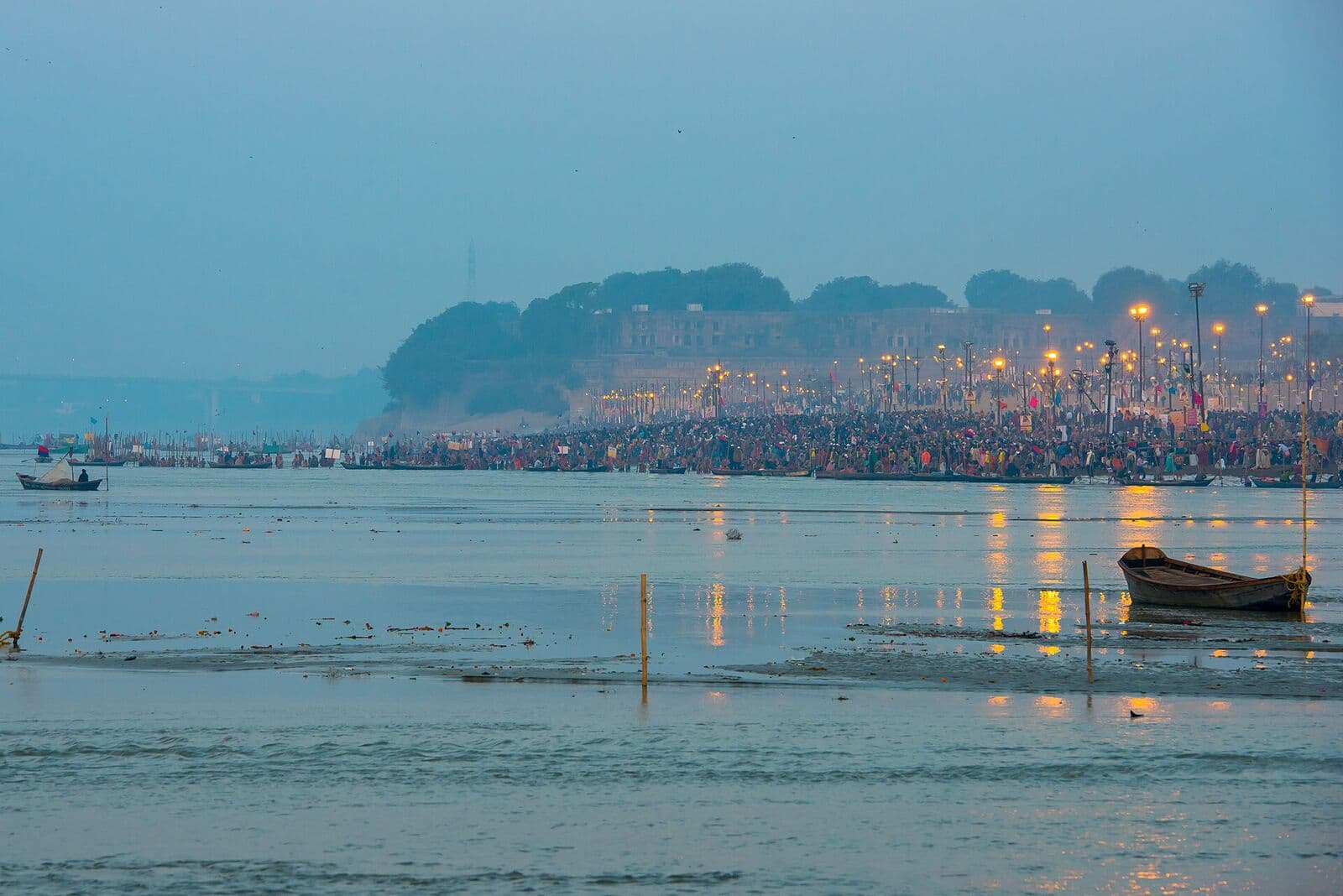
The Kumbh Mela: A River of Humanity
Tens of millions gather at the confluence of rivers with no tickets, no headliner, and no organizing committee older than the stars.
Mar 21, 2024·9 min read
Culture & Heritage
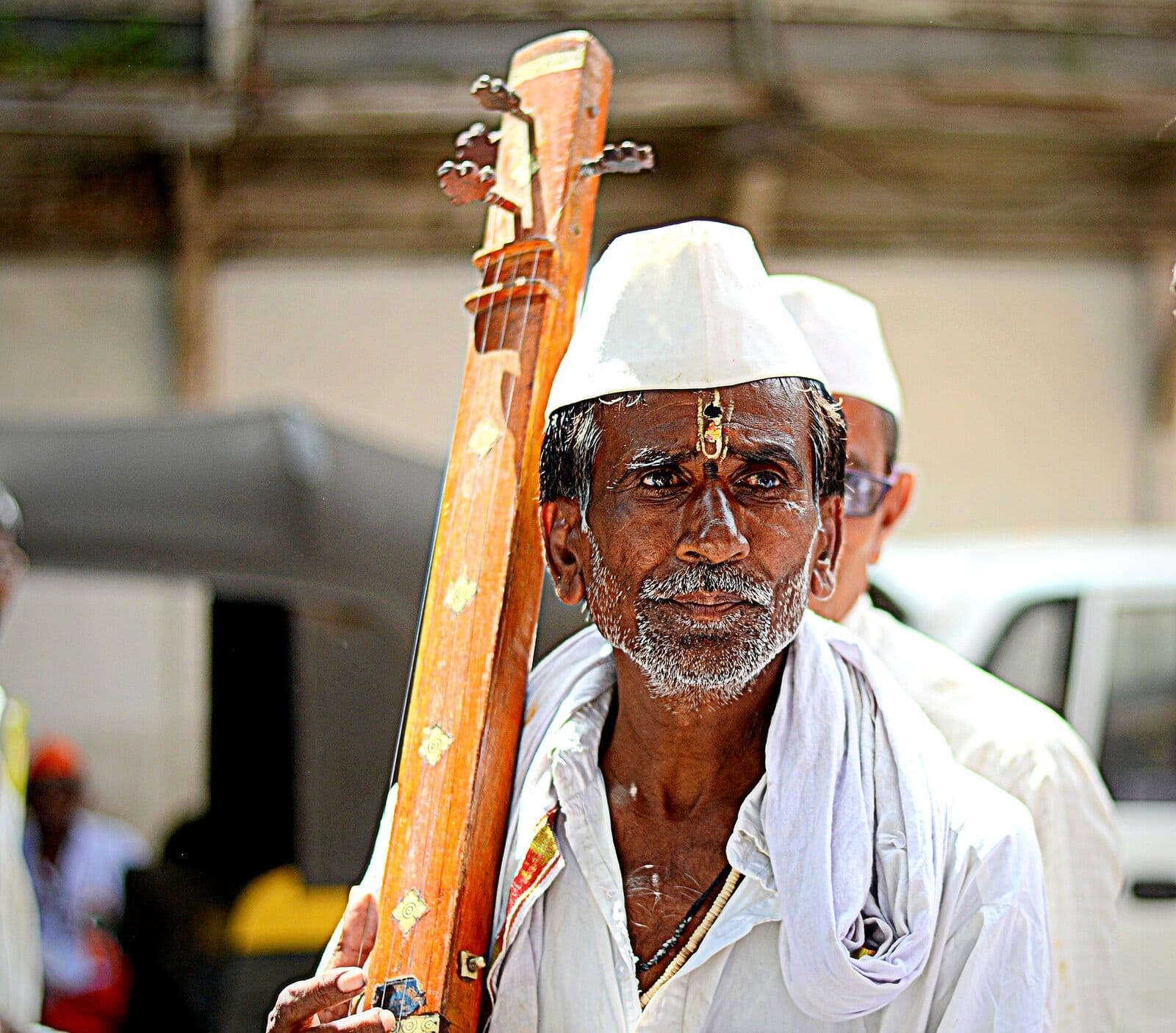
The Wari: Walking with Vithoba
For seven hundred years the road to Pandharpur has filled with pilgrims singing Tukaram and Dnyaneshwar — a university of devotion, twenty-one days long.
Feb 28, 2024·8 min read
Temples
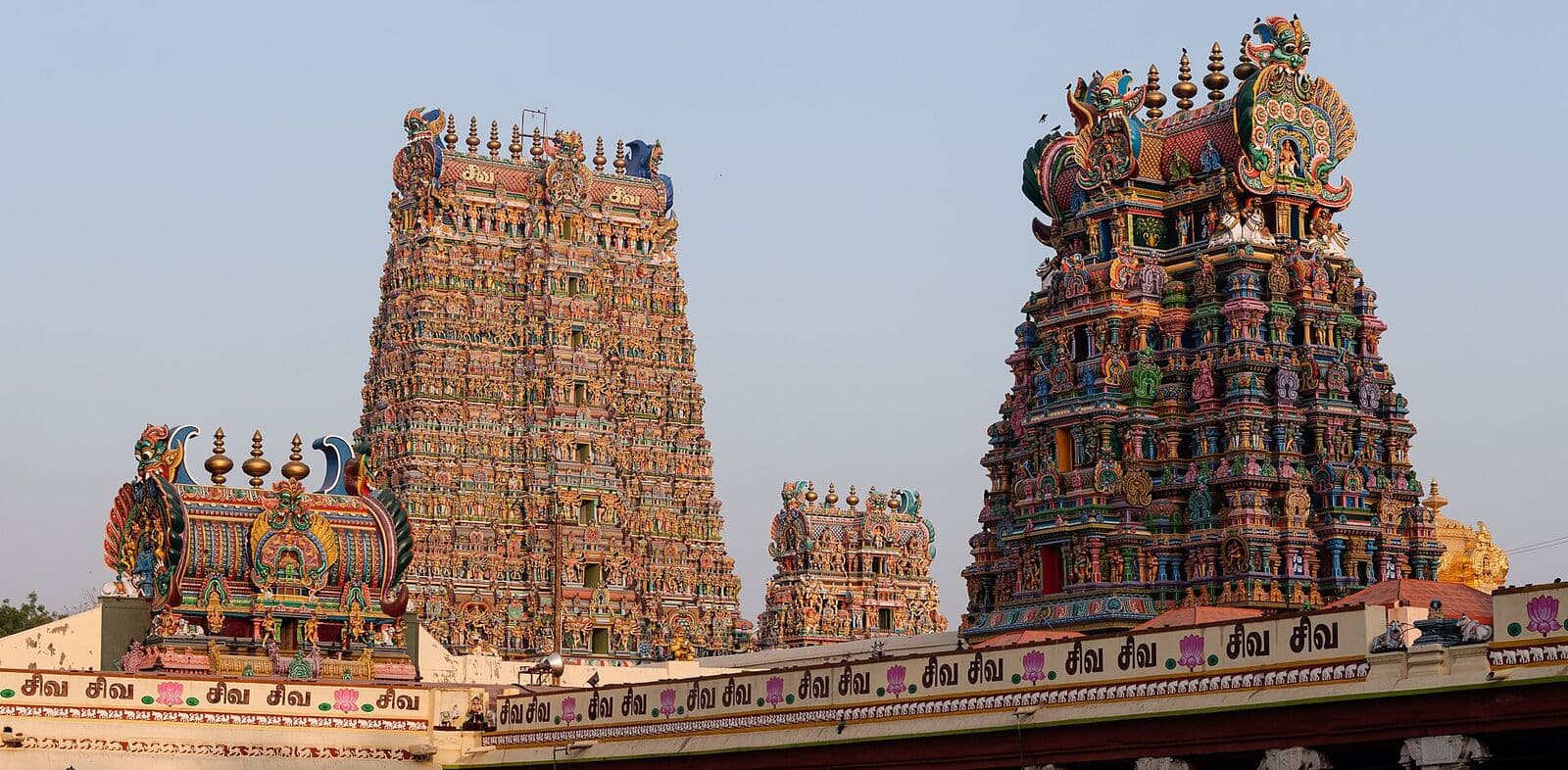
The Grammar of the Gopuram
Why the towering gateways of South Indian temples are built the way they are — a thousand-year architectural syntax, decoded.
Apr 11, 2024·10 min read