Scriptures
Karma Yoga in the Bhagavad Gita
Understanding selfless action through Lord Krishna's timeless teachings on the field of Kurukshetra.
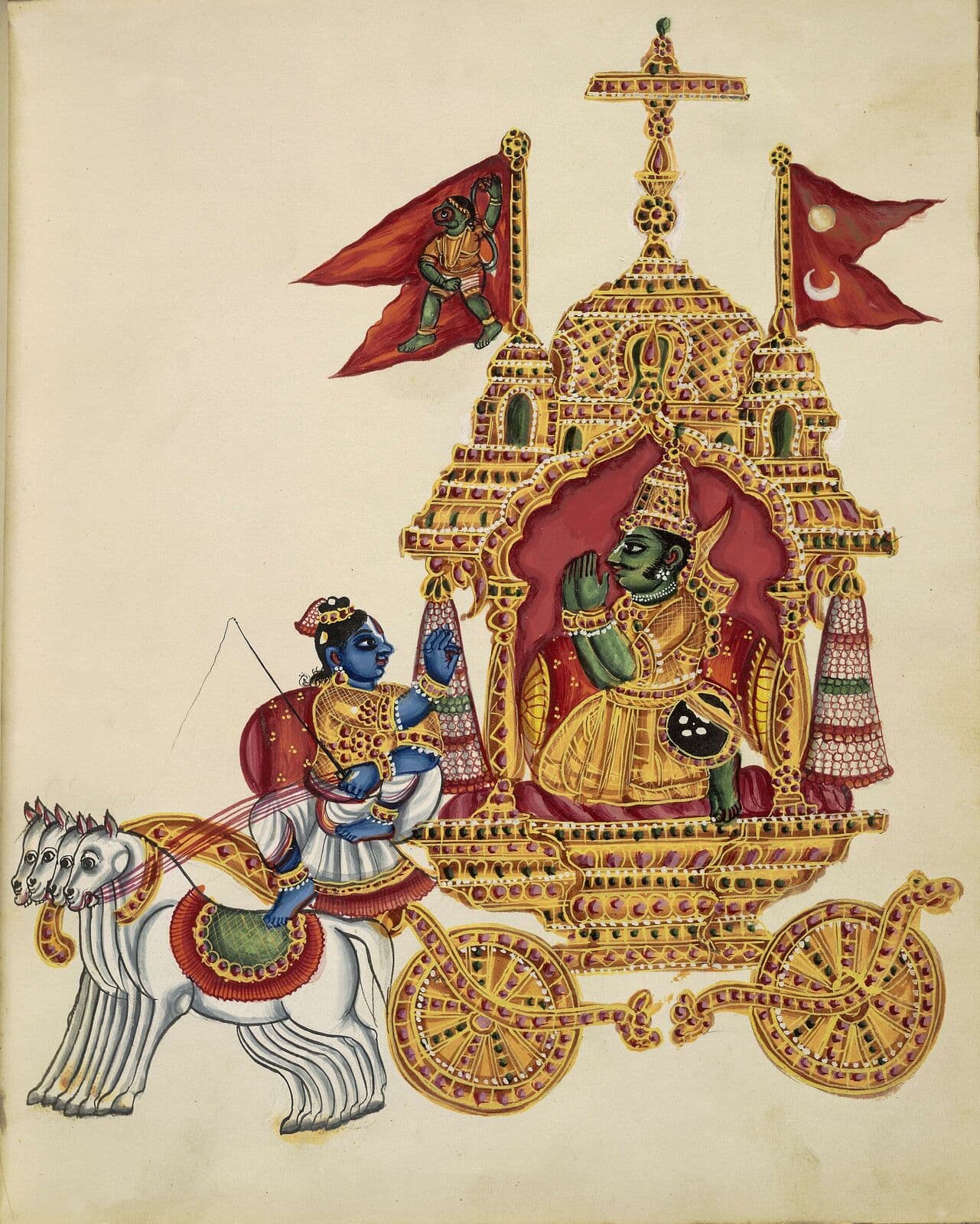
There is a moment, early in the Bhagavad Gita, when the greatest archer of his age puts down his bow. Arjuna is not afraid of dying. He is afraid of what winning will cost — teachers, cousins, grandfathers, the whole architecture of his world. His collapse on the chariot floor is one of the most honest depictions of moral paralysis in world literature. And Krishna's answer to it is not consolation. It is a theory of action.
Action without attachment
The second chapter contains the verse every student of the Gita eventually commits to memory: karmanye vadhikaraste ma phaleshu kadachana — your entitlement is to action alone, never to its fruits. Modern readers often hear this as fatalism, as if Krishna were telling Arjuna that results do not matter. The teaching is nearly the opposite. Results matter enormously; that is precisely why they cannot be the engine of action. A mind fixed on outcomes is a mind hostage to anxiety, and an anxious mind cannot act well.
You have a right to your actions, but never to the fruits of your actions. Let not the fruits be your motive, nor let your attachment be to inaction.Bhagavad Gita 2.47
Karma yoga is the discipline of doing what is right because it is right — fully, skillfully, with everything one has — while surrendering ownership of what happens next. Krishna calls this yogah karmasu kaushalam, skill in action. The skill is not technical. It is the inner poise that lets a surgeon operate, a judge rule, or a parent decide without the tremor of self-interest bending the hand.
Why the battlefield matters
It is no accident that this teaching is delivered on a battlefield rather than in a forest hermitage. The Gita's radical claim is that renunciation is a quality of the will, not an address. Arjuna asks, in effect, whether he should withdraw from the world to save his soul. Krishna answers that withdrawal is impossible — na hi kashchit kshanam api jatu tishthaty akarmakrit — no one remains actionless even for a moment. Even refusing to act is an act, with consequences that fall on others.
The question is never whether to act but from where. Action performed as yajna — as offering — leaves no residue on the actor. Action performed for the ego's harvest binds, whatever its outward shape. This is why the Gita can praise both the contemplative and the king, both meditation and war conducted within dharma.
A practice for our times
For those of us whose battlefields are offices, kitchens, and hospital corridors, karma yoga remains startlingly practical. Begin the day by dedicating its work. Do the work with complete attention. When the result arrives — promotion or rejection, praise or silence — receive it evenly, as prasada, and begin again. The practice does not make ambition wrong; it makes ambition clean.
Arjuna picks up his bow. Nothing about his circumstances has changed. Everything about his relationship to them has. That interior revolution, the Gita insists, is available in any circumstance whatsoever — which is why a conversation from three thousand years ago, on a battlefield most of us will never see, remains the tradition's most trusted manual for Monday morning.
Header image: Unknown authorUnknown author / Wikimedia Commons, Public domain
About the author
Prajna Insights Editorial DeskEditorial Desk
The collective byline for essays researched, drafted, and edited through the Prajna Insights editorial process, including AI-assisted drafting reviewed under Kiran Karanam's editorial responsibility.
Related Articles
Scriptures
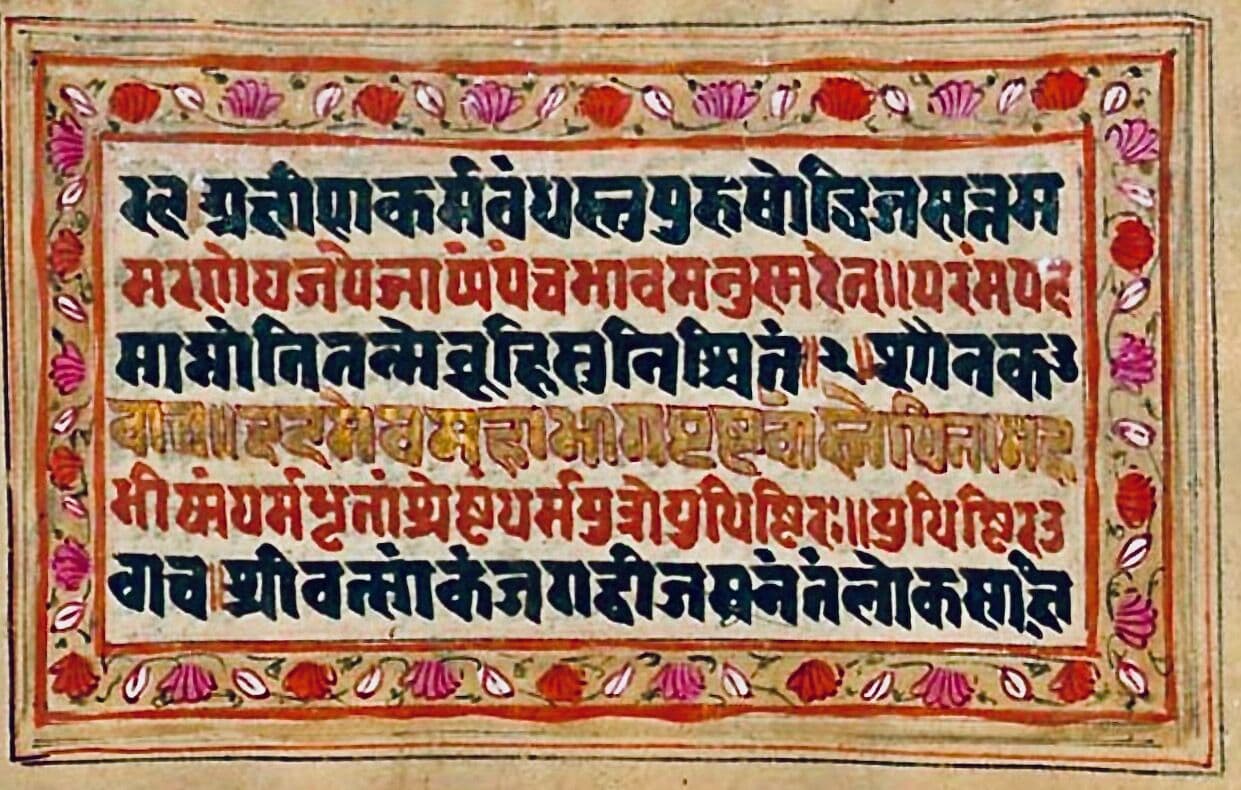
The Bhagavad Gita's Final Verse
Sanjaya, not Krishna, is given the Gita's last word — and his single verse may be the text's whole teaching in miniature.
Jan 10, 2024·8 min read
Scriptures
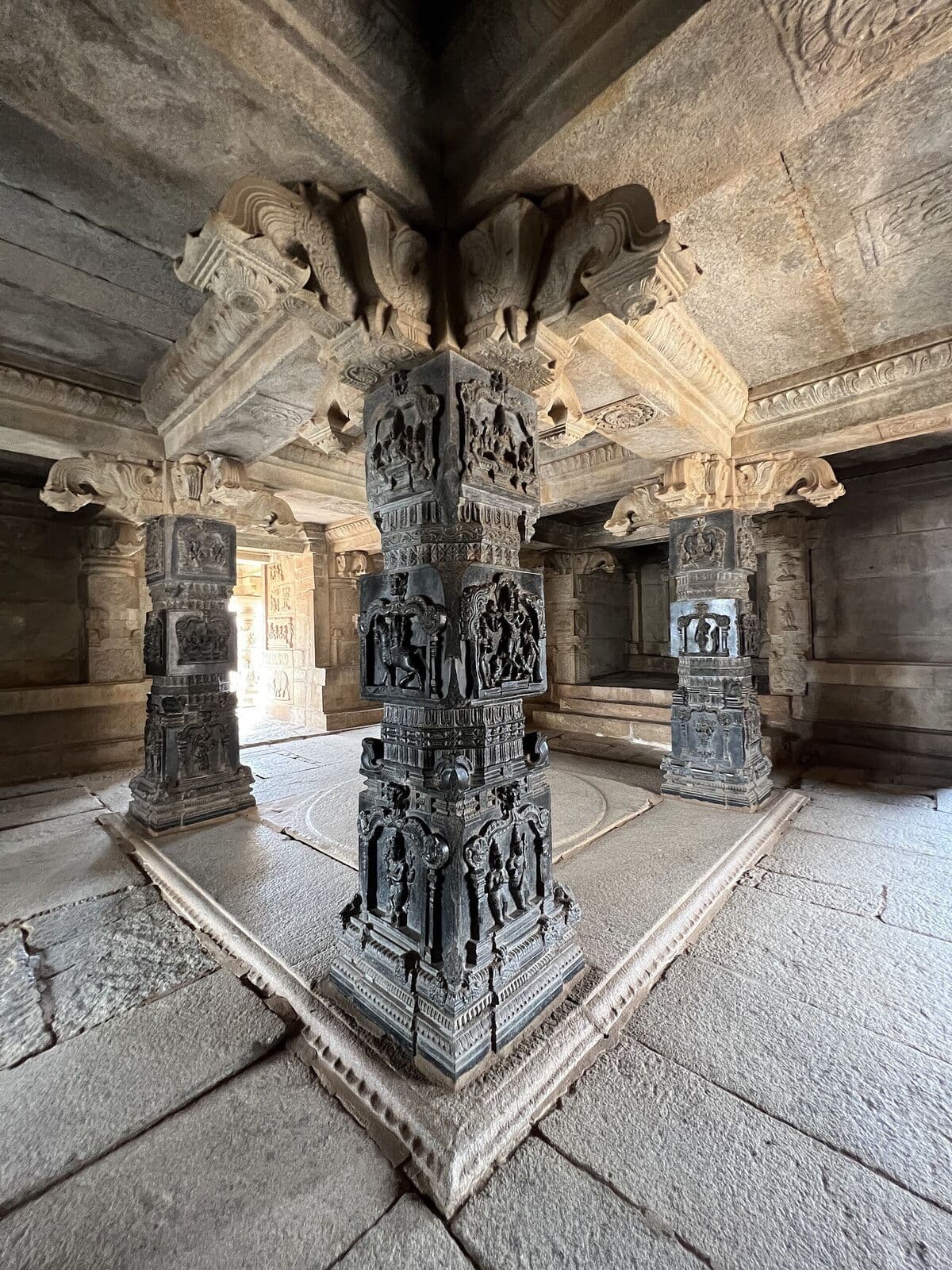
Yudhishthira and the Burden of Dharma
The Mahabharata gives its most righteous man its heaviest burdens, and refuses him every easy answer.
Apr 4, 2024·12 min read
Scriptures
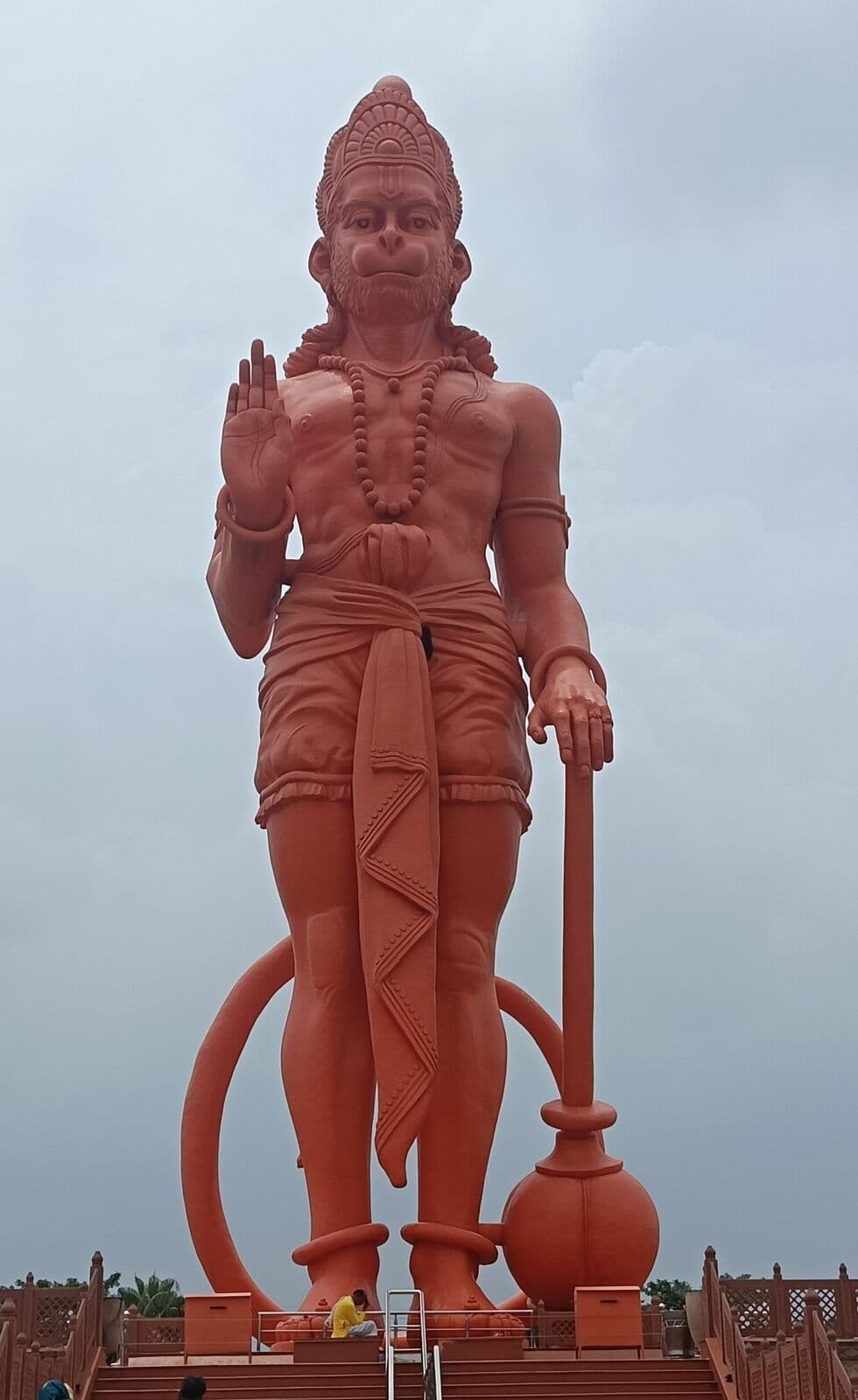
Hanuman: Strength in Service
The Ramayana's mightiest figure cannot remember his own strength until it is needed for someone else. That is the whole theology.
Feb 11, 2024·7 min read