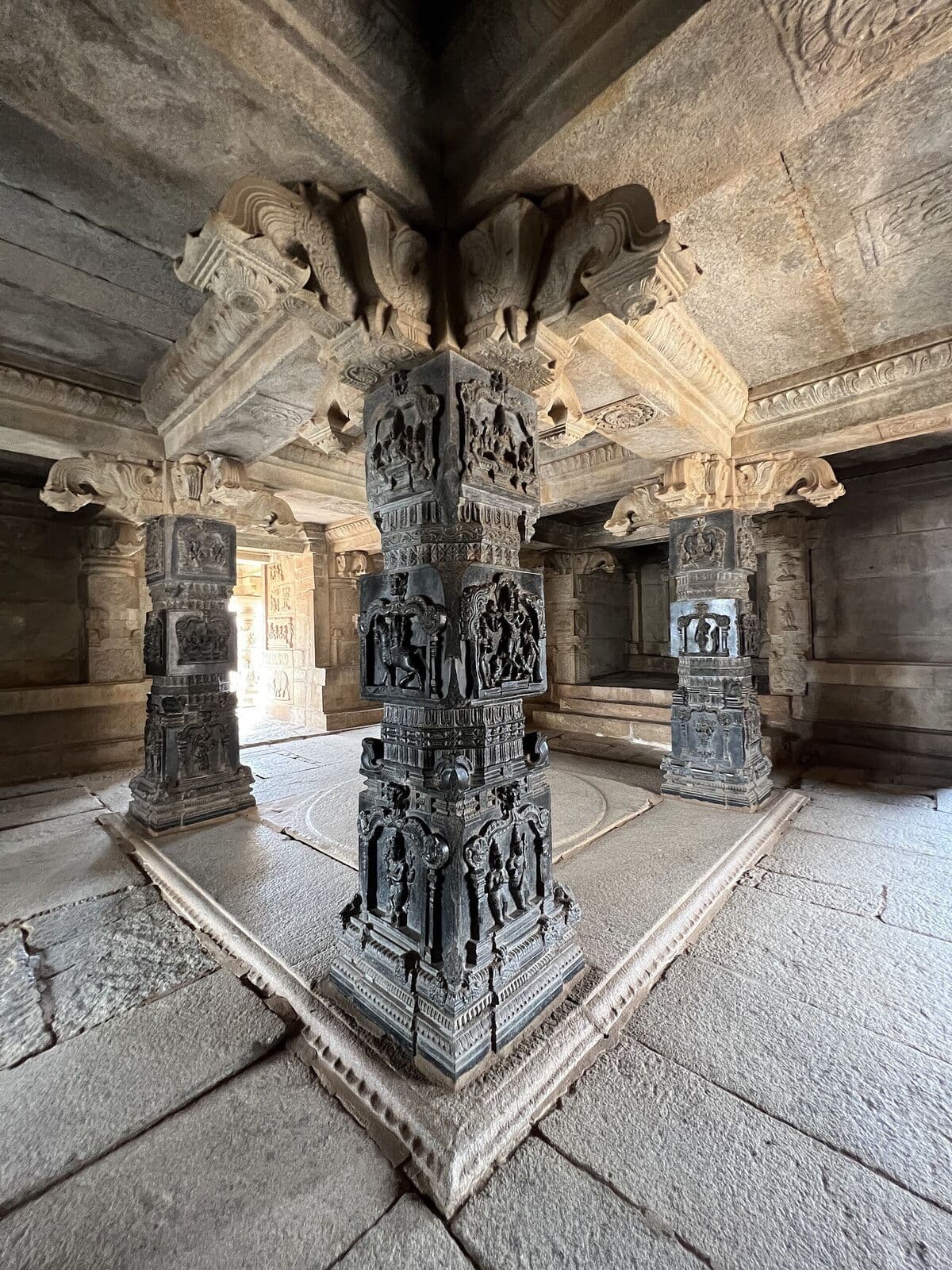
Scriptures
Yudhishthira and the Burden of Dharma
The Mahabharata's most righteous man is also its most tormented — and that is the epic's deepest teaching.
The Mahabharata could have made its hero simple. Epics usually do. Instead it gives us Yudhishthira — a man so committed to truth that the earth is said to have held his chariot wheels a few fingers above the ground, and a man whose one recorded equivocation, on the battlefield about the death of Ashvatthama, brings those wheels down to earth forever. The epic loves him, tests him, humiliates him, crowns him, and never once lets him be right without cost.
Dharma is sukshma
The Mahabharata's refrain about dharma is that it is sukshma — subtle, fine-grained, resistant to formula. Yudhishthira's career is a guided tour of that subtlety. Should he accept the rigged dice game his elders permit? Refusing insults the assembly; accepting destroys his family. Should he lie to disarm Drona? The lie ends a slaughter; it is still a lie, and the epic makes him pay for it in full view. At every turn the text refuses to convert dharma into an algorithm, and it does this deliberately: the character who quotes rules most confidently in the epic is Duryodhana, who follows none of them.
Dharma is subtle. Its true form is hidden in a cave; the way of the good is the way walked by the great who came before.Mahabharata, on the limits of moral formula
The yaksha's questions
The epic's finest hour for Yudhishthira is not a battle but a quiz. His brothers lie dead beside a poisoned lake, and a yaksha — the lake's guardian spirit — offers their lives for answers. What is swifter than wind? The mind. What is the greatest wonder? That men die every day, and the living believe they will live forever. What is the path? The reasoning of the great, walked before us. The exchange distills the man: his heroism is not martial but attentive — he is the one character who never stops thinking about what goodness requires. Offered one brother's life, he chooses Nakula, his stepmother's son, so that neither of his father's wives will be childless. The yaksha, revealed as Dharma himself, restores them all. Fairness, the scene quietly insists, is a form of power.
The final walk
The epic's last image of Yudhishthira is the Mahaprasthanika: the old king walking into the Himalaya, his family falling behind him one by one, until only a stray dog remains. At heaven's gate he is told the dog may not enter. He refuses heaven. The dog is Dharma, of course — the last examination, passed by a man who no longer knows he is being examined. Then one test more: shown his brothers apparently in hell, he chooses to stay with them rather than enjoy heaven alone. Only then does the illusion dissolve.
The Mahabharata is often called a tragedy of dharma. It is better read as a training in it. By binding its best man to impossible choices and charging him full price for each, the epic teaches what no rulebook can: that righteousness is not a possession but a practice, renewed decision by decision, and that the practice is worth the price. Yudhishthira would not tell us it is easy. He would tell us it is the only thing.
About the author
Prajna Insights Editorial DeskEditorial Desk
The collective byline for essays researched, drafted, and edited through the Prajna Insights editorial process, including AI-assisted drafting reviewed under Kiran Karanam's editorial responsibility.
Related Articles
Scriptures
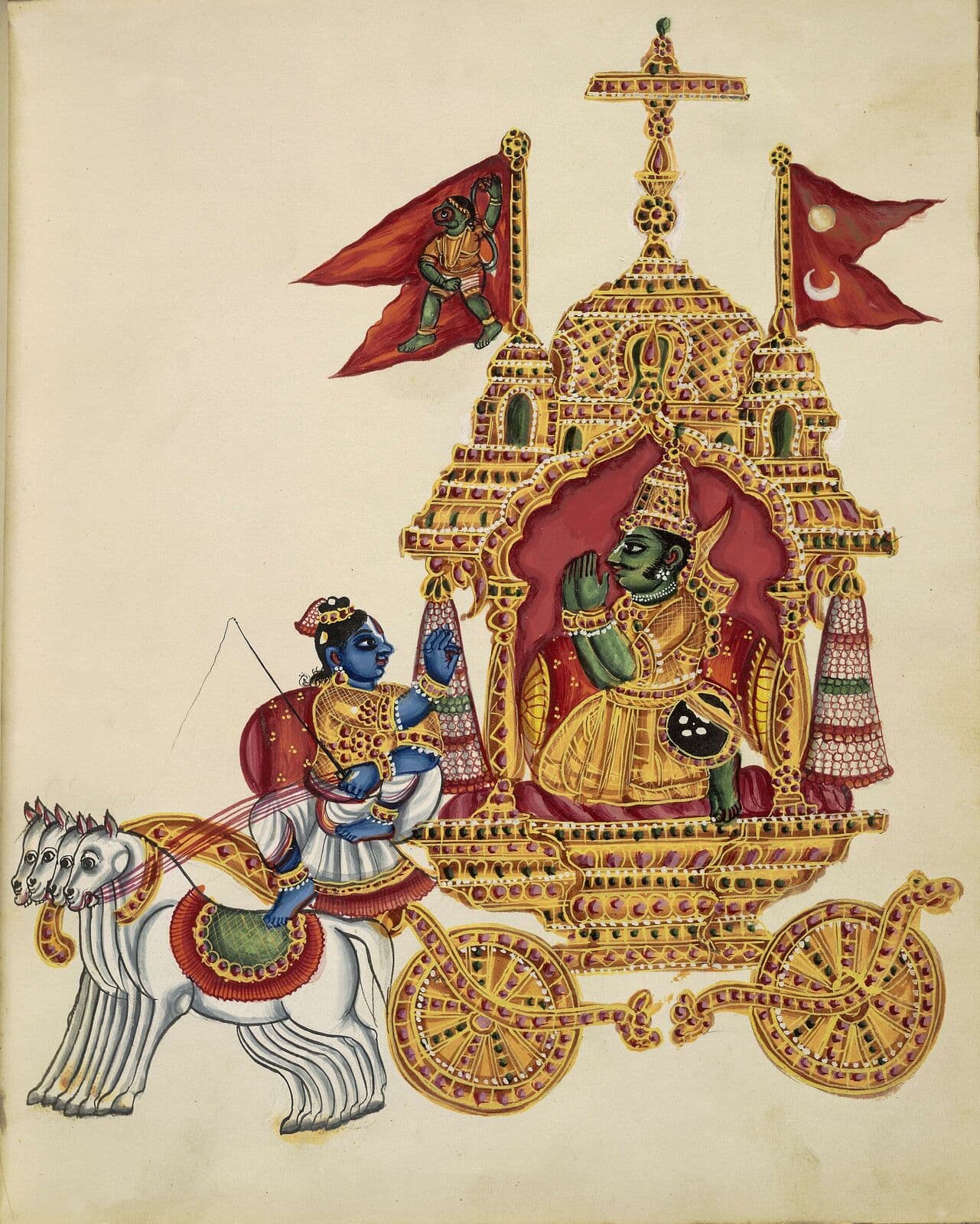
Karma Yoga in the Bhagavad Gita
Understanding selfless action through Lord Krishna's timeless teachings.
May 12, 2024·8 min read
Scriptures
The Bhagavad Gita's Final Verse
Sanjaya, not Krishna, is given the Gita's last word — and his single verse may be the text's whole teaching in miniature.
Jan 10, 2024·8 min read
Scriptures
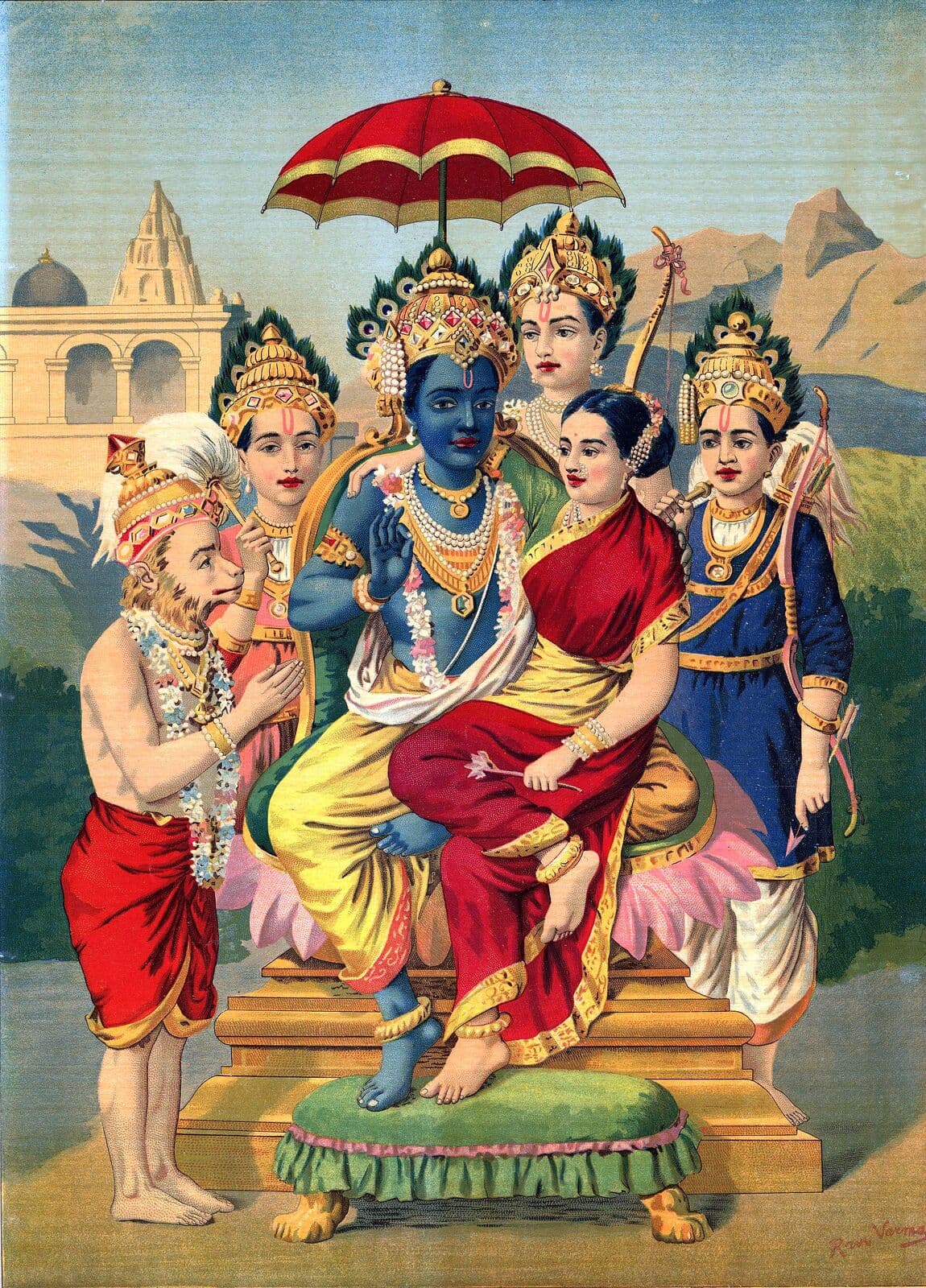
Why Rama Went to the Forest
The Ramayana's pivotal moment is a man treating his word as more real than his kingdom — and the epic never lets us forget the cost.
Mar 14, 2024·10 min read