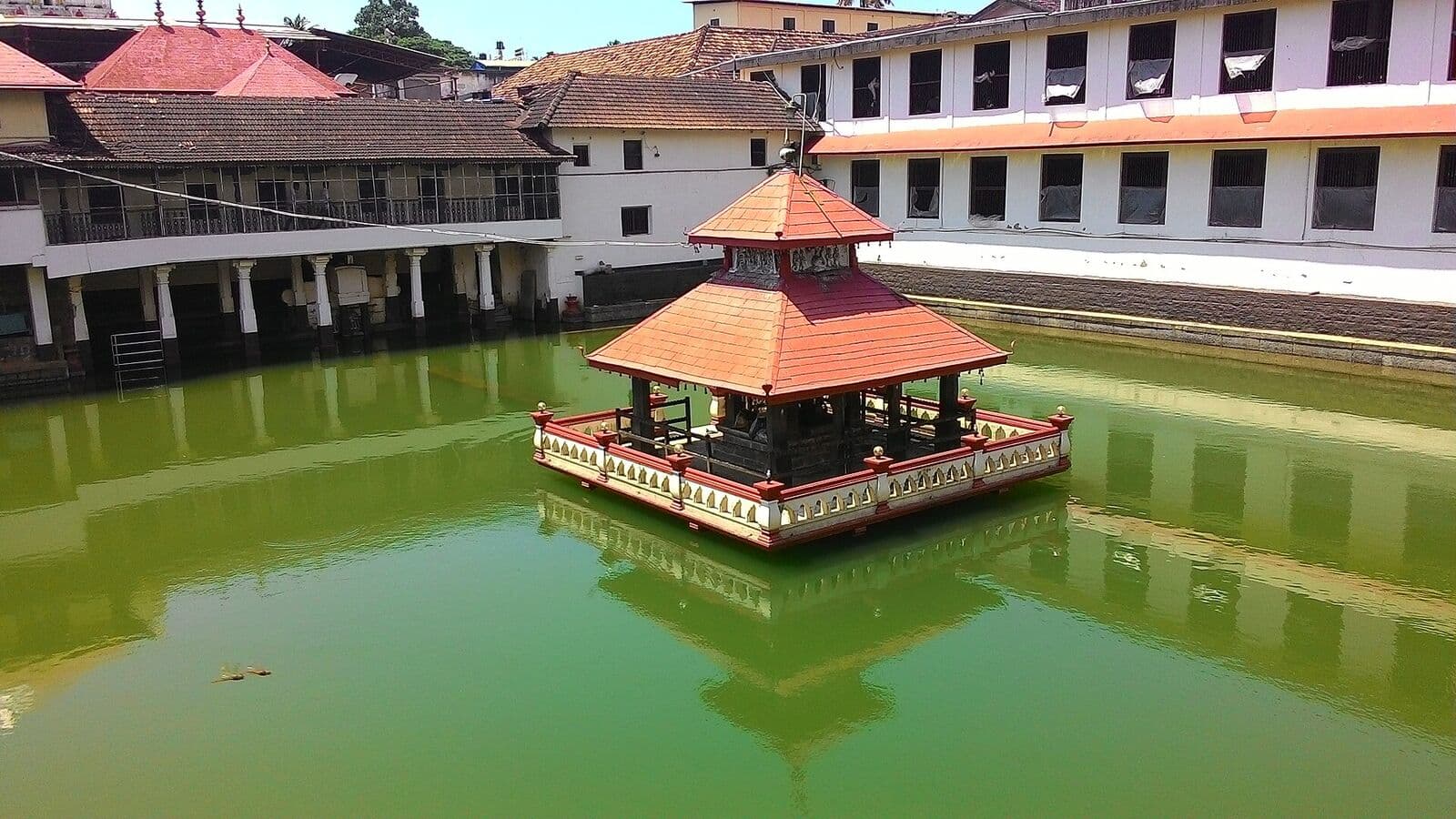
Darshana
What is Dvaita Vedanta?
An introduction to the profound philosophy of Madhvacharya and its relevance today.
In the thirteenth century, on the coast of what is now Karnataka, a young sannyasi named Sri Madhvacharya walked out of his teacher's Advaita monastery with a conviction that would reshape Indian philosophy: the difference between the soul and God is not an illusion to be dissolved but a truth to be celebrated. The school he founded — Dvaita Vedanta, the Vedanta of duality, which he himself preferred to call Tattvavada, the doctrine of reality — remains one of the three great readings of the Upanishads, alongside Shankara's Advaita and Ramanuja's Vishishtadvaita.
The five differences
Where Advaita teaches that Brahman alone is real and the world of multiplicity a misapprehension, Sriman Madhvacharya Bhagavadpada begins from the stubborn testimony of experience: things differ. He systematized this into the pancha-bheda, five eternal distinctions — between God and soul, God and matter, soul and soul, soul and matter, and matter and matter. None of these differences, he argued, is ever cancelled, not even in liberation.
Difference is not a defect in the fabric of reality. It is the fabric.The central intuition of Tattvavada
This is not a small technical quarrel. It changes what the spiritual life is for. If the soul is ultimately identical with Brahman, realization is a matter of removing ignorance, like remembering a forgotten name. If the soul is eternally distinct, then the goal cannot be merger; it must be relationship — and the highest name for right relationship is bhakti, devotion.
An independent and a dependent reality
Sriman Madhvacharya Bhagavadpada's system turns on a single elegant distinction: svatantra and paratantra — independent and dependent reality. Only Vishnu is independent, existing by his own nature. Everything else — souls, matter, time — is fully real but exists in complete dependence on him, the way light in a room is real yet depends at every instant on its source. Dvaita is therefore not 'dualism' in the Western sense of two rival principles. It is a hierarchy of one sovereign reality and everything sustained by it.
From this follow positions that made Sriman Madhvacharya Bhagavadpada a formidable opponent in debate: the world is real, not maya; perception is trustworthy; scripture must be read in harmony with reason and experience, not against them. His commentaries on the Brahma Sutras, the Gita, and the Upanishads argue with a lawyer's precision and an engineer's impatience with vagueness.
Why Dvaita matters now
Eight centuries on, the Udupi Sri Krishna Matha he established still serves the deity he installed, and the eight monasteries he founded still rotate its worship. But Dvaita's relevance is not merely institutional. In an age fluent in the language of oneness, Sriman Madhvacharya Bhagavadpada stands for the dignity of the particular: this soul, this life, this irreducible you, in eternal relation with a reality it did not create. For many temperaments that is not a lesser teaching than non-duality. It is the one that finally makes love intelligible — for where there are not two, Sriman Madhvacharya Bhagavadpada asked, who is left to adore whom?
Header image: Outlander07 / Wikimedia Commons, CC BY-SA 4.0
About the author
Prajna Insights Editorial DeskEditorial Desk
The collective byline for essays researched, drafted, and edited through the Prajna Insights editorial process, including AI-assisted drafting reviewed under Kiran Karanam's editorial responsibility.
Related Articles
Darshana
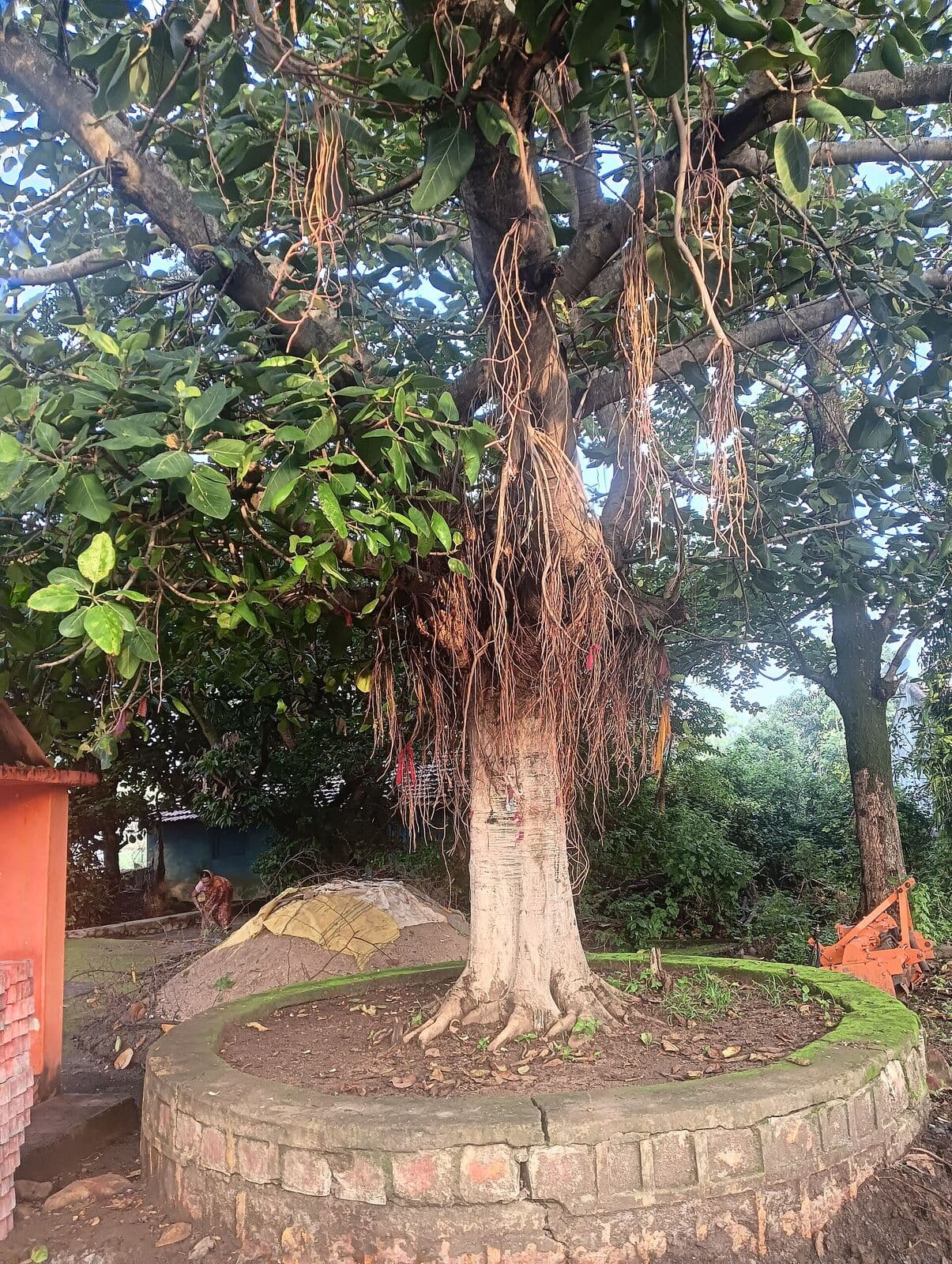
The Six Darshanas: A Traveller's Map
A guide to the six classical schools of Indian philosophy — what each one asks, answers, and contributes to the whole.
Mar 25, 2024·13 min read
Saints & Acharyas
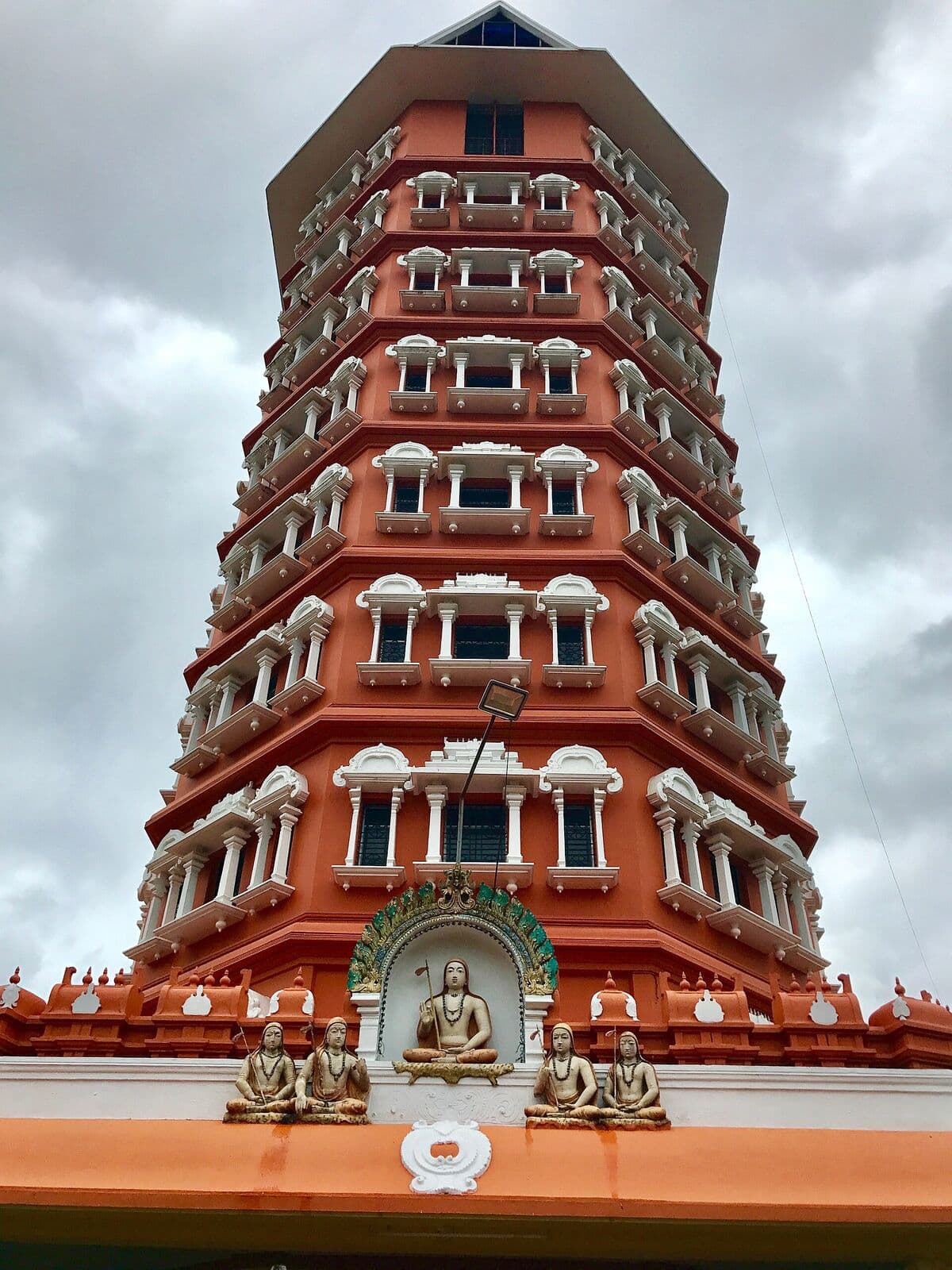
The Short, Blazing Life of Adi Shankaracharya
In thirty-two years, a boy from Kerala reshaped Indian philosophy and left institutions that have endured for over a millennium.
Apr 22, 2024·11 min read
Saints & Acharyas
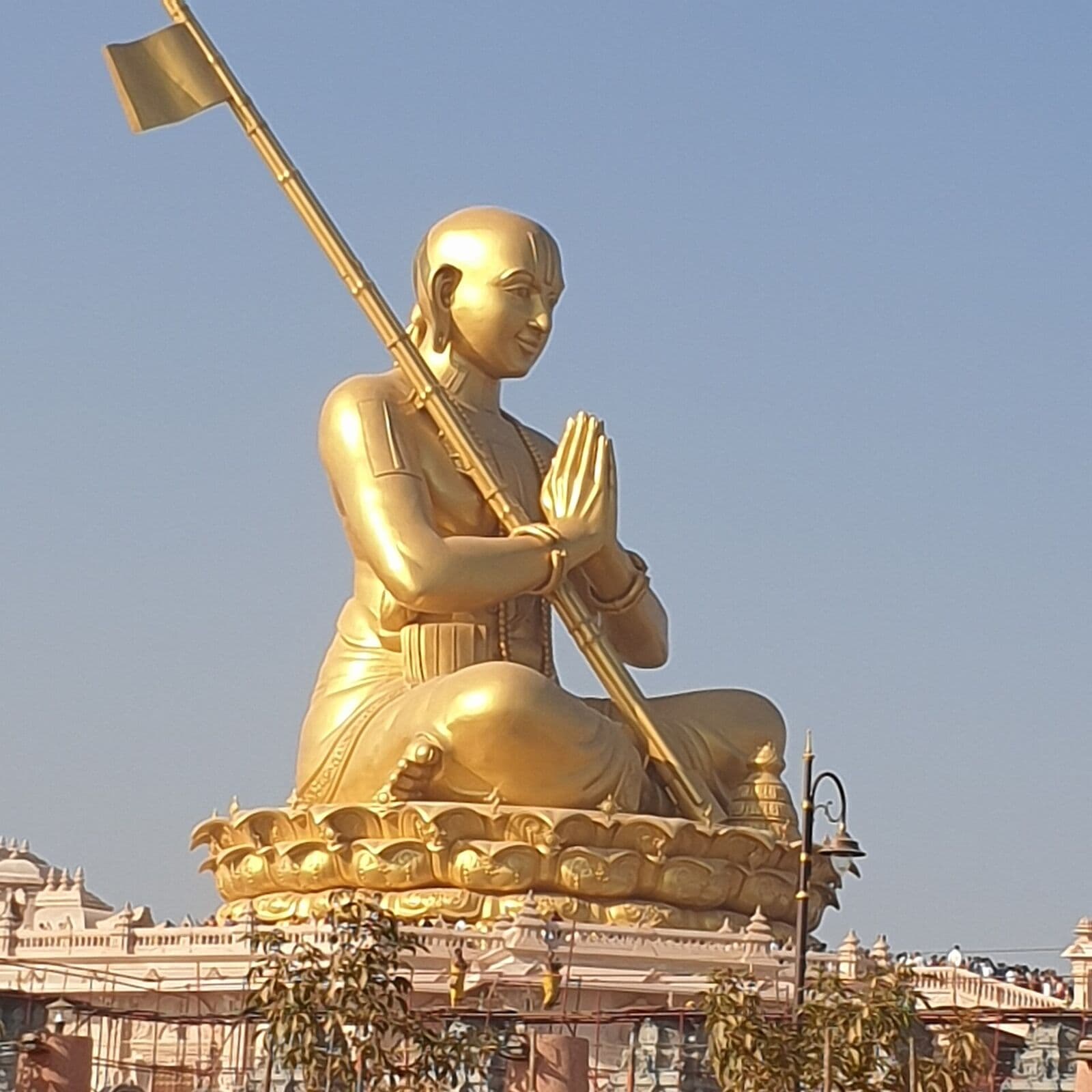
Ramanuja and the Embrace of Devotion
How Ramanuja built the intellectual house that bhakti lives in, and why he broke his vow of secrecy from a temple tower.
Apr 1, 2024·10 min read