Saints & Acharyas
The Short, Blazing Life of Adi Shankaracharya
In thirty-two years, a boy from Kerala walked the length of India, wrote commentaries that still define Vedanta, and organized an institutional order that survives today.
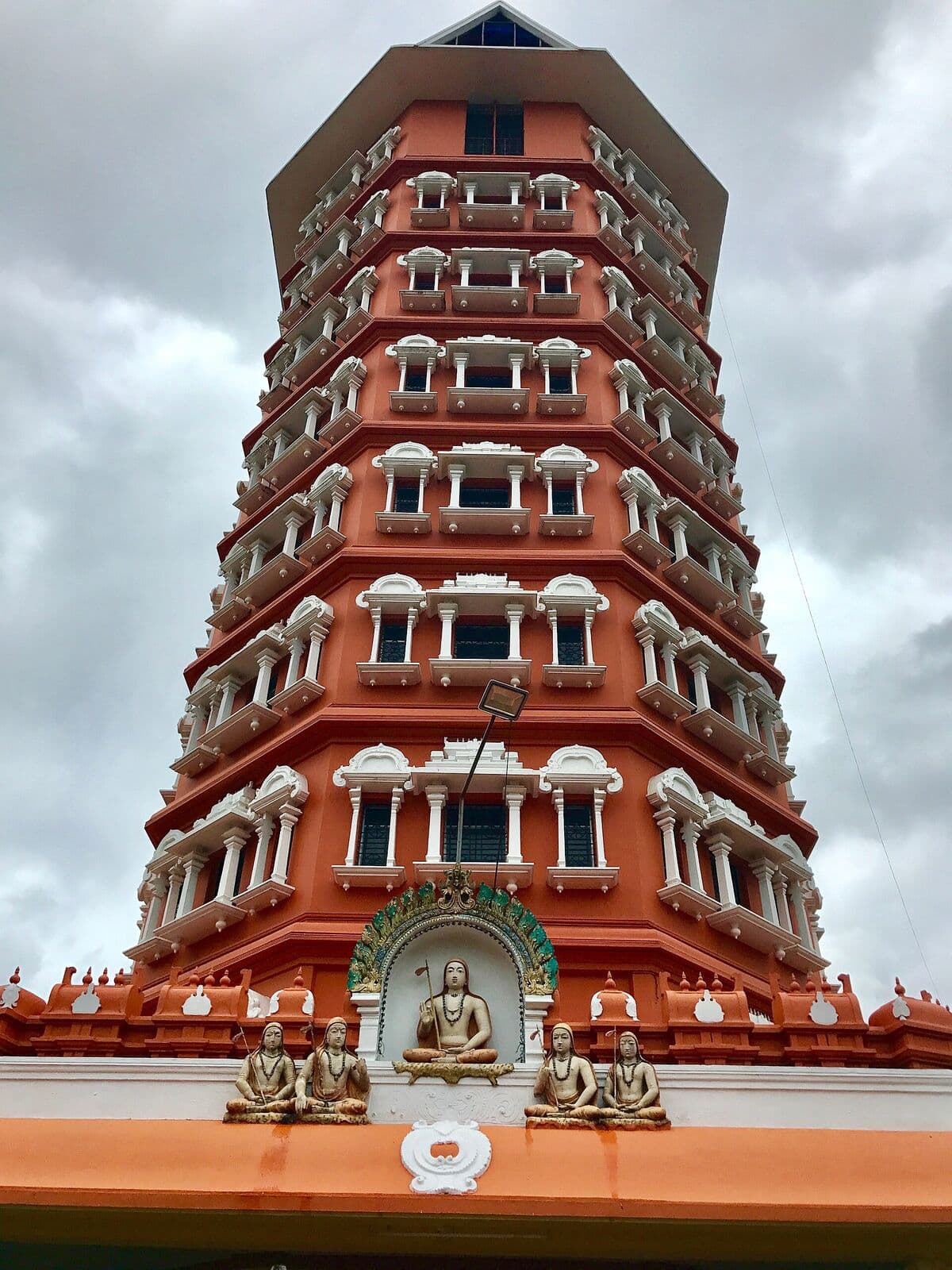
Tradition gives him thirty-two years. In that span — less time than most scholars spend earning tenure — Shankara composed the commentaries on the Brahma Sutras, the principal Upanishads, and the Bhagavad Gita that remain the reference point for all subsequent Vedanta; debated the reigning schools of his day across the subcontinent; composed devotional poetry still sung in temples every morning; and, if tradition is right, established the four amnaya mathas at Sringeri, Puri, Dwaraka, and Joshimath that anchor the Dashanami monastic order to this day.
From Kaladi to the world
He was born in Kaladi, a village on the Purna river in Kerala — by most modern estimates in the early eighth century CE. The stories of his childhood have the compression of parable: the boy who mastered the Vedas by eight; the crocodile that seized his leg and released it only when his mother consented to his sannyasa; the walk north, alone, to find a teacher. On the banks of the Narmada he met Govinda Bhagavatpada, disciple of Gaudapada, and received the teaching whose lineage he would carry: brahma satyam jagan mithya, jivo brahmaiva naparah — Brahman is real, the world is appearance, the soul is nothing other than Brahman.
The commentator
It is easy to forget, given the legends, that Shankara's core achievement is scholarly. Before him, Vedanta was one voice among many, and the Mimamsakas — ritualists for whom the Veda's purpose was correct sacrifice — held the intellectual high ground. Shankara's bhashyas did something new: they read the entire corpus of shruti as a single, coherent teaching whose center of gravity is knowledge, not ritual. His prose is a marvel of the debater's art — stating opponents' positions at full strength before dismantling them — and his method established the template every later acharya, including his fiercest critics Ramanuja and Madhva, would follow. You cannot found a school of Vedanta without writing commentaries against Shankara's. That is a kind of immortality no admirer could have designed.
A single sentence — 'That thou art' — heard from a true teacher, outweighs a thousand rituals performed for a thousand years.The Advaita claim, as Shankara's tradition remembers it
The organizer
What separates Shankara from other brilliant philosophers is that he built. The four mathas, each linked to one Veda and one great Upanishadic mahavakya; the ten orders of sannyasis; the tradition of the Shankaracharya as an office rather than a person — these institutional inventions gave Advaita a body, and they are why a debate won in the eighth century is still being taught in the twenty-first. He is also credited with the panchayatana system of worship, which honours Shiva, Vishnu, Devi, Surya, and Ganesha together — a quiet architecture of reconciliation for a fractious religious landscape.
The devotee
The caricature of Advaita is cold monism; the antidote is Shankara's poetry. The man who argued that the ultimate truth is beyond attributes also composed the Soundarya Lahari's cascade of praise to the Goddess and the Bhaja Govindam's urgent, affectionate warning to a grammarian growing old over his rules: seek Govinda, seek Govinda, for grammar will not save you when the hour comes. In Shankara the tradition keeps a standing reminder that rigor and love are not rivals. He died — tradition says at Kedarnath, in the high Himalaya — at thirty-two, having arranged matters so thoroughly that he never really left.
About the author
Prajna Insights Editorial DeskEditorial Desk
The collective byline for essays researched, drafted, and edited through the Prajna Insights editorial process, including AI-assisted drafting reviewed under Kiran Karanam's editorial responsibility.
Related Articles
Saints & Acharyas
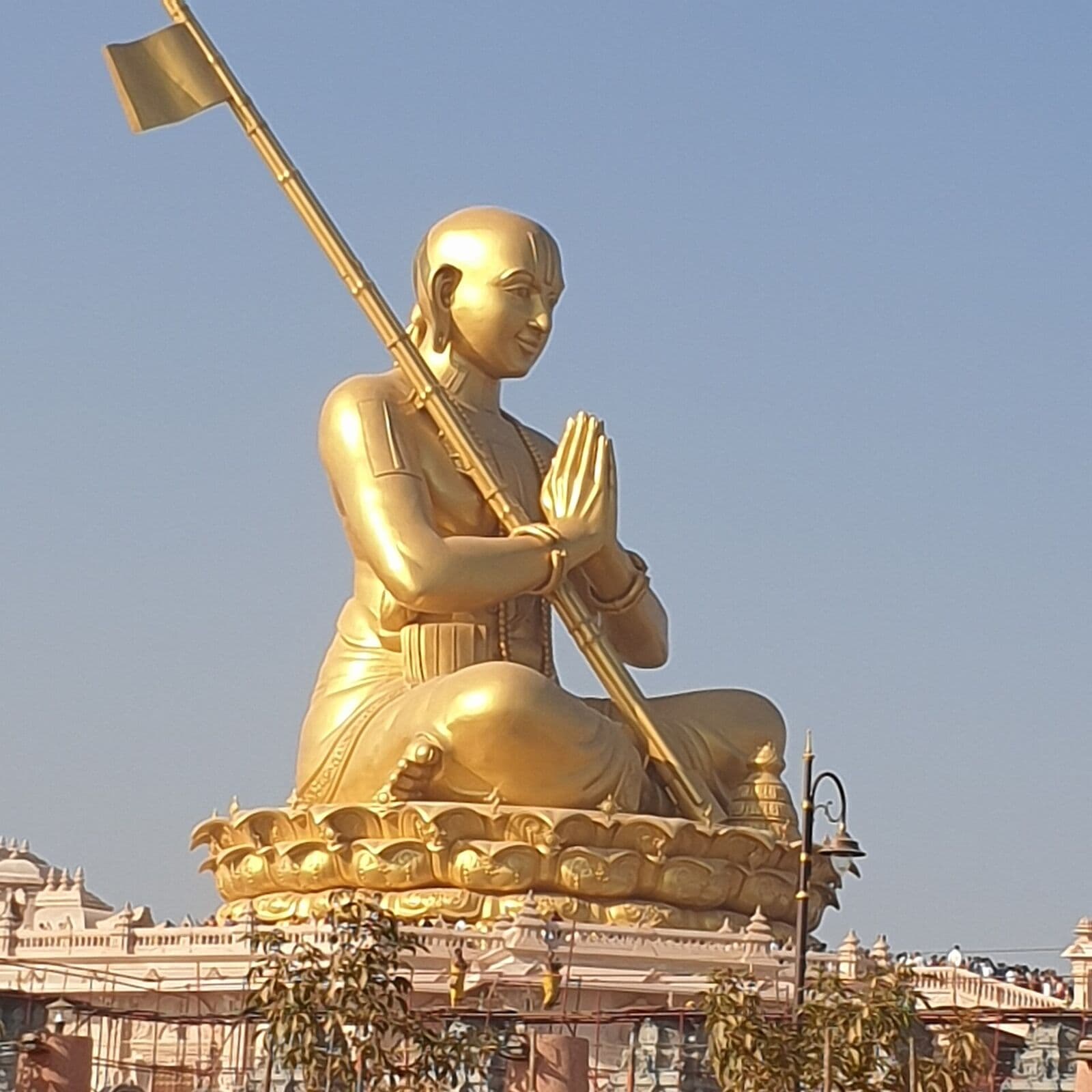
Ramanuja and the Embrace of Devotion
How Ramanuja built the intellectual house that bhakti lives in, and why he broke his vow of secrecy from a temple tower.
Apr 1, 2024·10 min read
Darshana
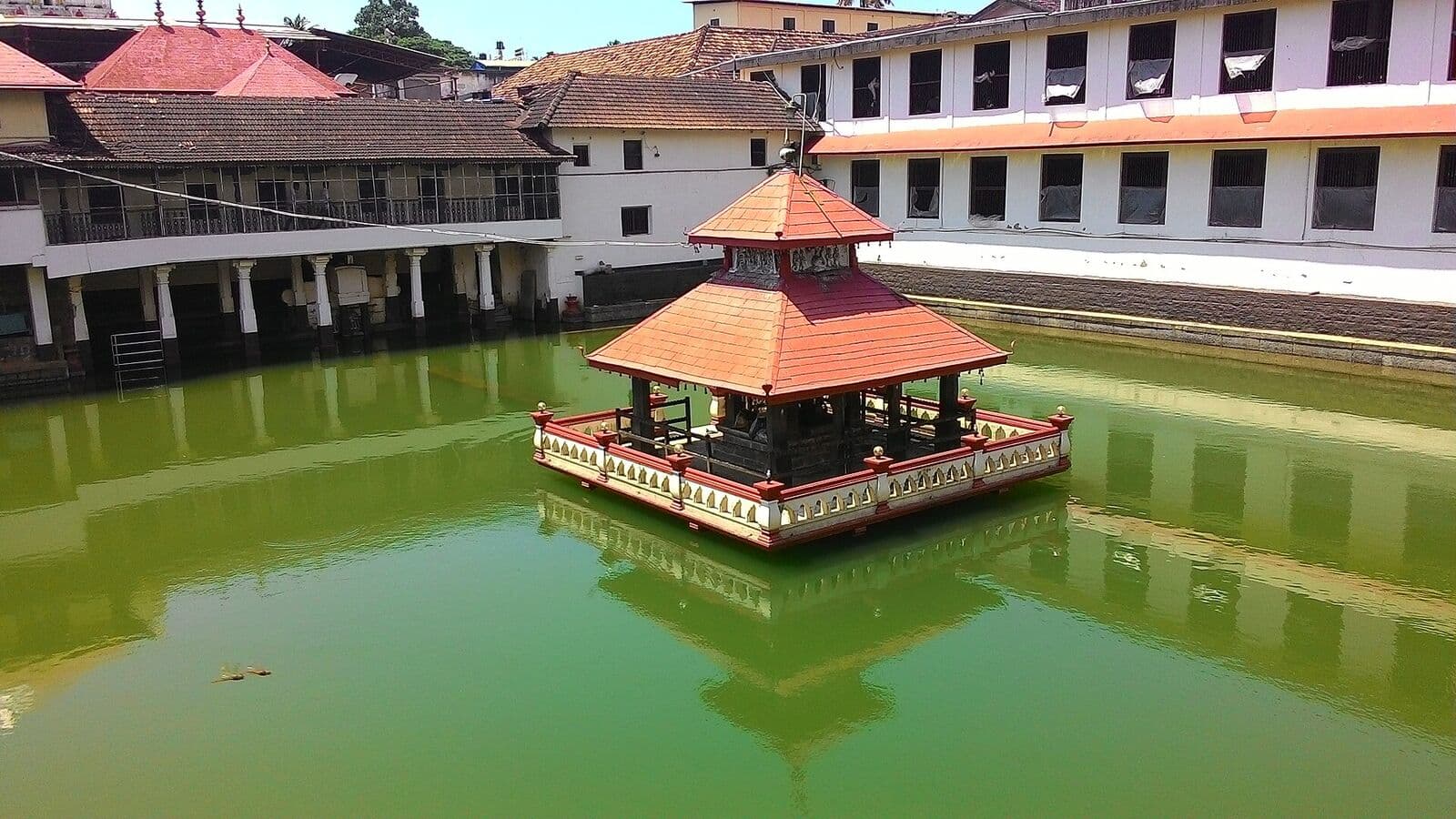
What is Dvaita Vedanta?
An introduction to the profound philosophy of Madhvacharya and its relevance today.
May 8, 2024·10 min read
Darshana
The Six Darshanas: A Traveller's Map
A guide to the six classical schools of Indian philosophy — what each one asks, answers, and contributes to the whole.
Mar 25, 2024·13 min read