
Arts & Literature
The Alvars: Poets Drunk on God
Twelve Tamil saints turned longing into literature and rewired Hindu devotion for a thousand years.
The word alvar is usually glossed as 'one who is immersed' — drowned, the tradition happily specifies, in the depths of God. Between roughly the sixth and ninth centuries, twelve such drowned poets walked the Tamil country, singing Vishnu in the language of the street, the cradle, and the bridal chamber. Their four thousand surviving verses — the Nalayira Divya Prabandham — did something no philosophy had managed: they made the love of God a mass emotion, and then they made it literature.
Twelve immersions
They were, pointedly, a cross-section of society: Nammalvar from a farming caste, silent under a tamarind tree until poetry broke out of him; Periyalvar the garland-maker; Tondaradippodi, whose chosen name means 'dust of the feet of the servants'; Tiruppan, born untouchable, carried into the sanctum on a brahmin's shoulders at the deity's own command, in the tradition's telling; Kulasekhara, a king who envied the temple's doorstep; and Andal — the lone woman, found as an infant beneath a tulsi plant, who wore the garland meant for the deity before it was offered, refused all human marriage, and in the tradition's memory merged into the image of Ranganatha at Srirangam. Her Tiruppavai, thirty verses of girls waking one another before dawn to worship, is sung across South India every December morning to this day.
I was ice; the name of the Lord entered me like a flame — and now, tell me, where shall I look for myself?The Alvar experience, as their verses repeatedly figure it
The bridal mysticism
The Alvars' boldest move was to weaponize the classical Tamil love poetry of the Sangam era. Its conventions — the heroine sick with separation, the messenger birds, the reproachful mother — were re-aimed at Vishnu. Nammalvar sings for long stretches as a woman abandoned by her divine lover, sending herons with messages, growing thin as a bangle slips from her wrist. Viraha — the ache of separation — becomes a means of knowledge: what you long for that fiercely must be real, and the ache itself is the relationship. Emotion, which the ascetic traditions treated as the problem, is here promoted to the method.
From song to scripture
What happened next changed Hindu history. In the tenth century, Nathamuni collected and arranged the corpus, set it to recitation, and — the decisive step — instituted it in temple liturgy beside the Veda. His successors, above all Ramanuja, built the Sri Vaishnava doctrine of ubhaya-vedanta, the 'dual Vedanta' of Sanskrit and Tamil, upon that foundation; Nammalvar's Tiruvaymoli came to be honoured as the Tamil Veda, its verses woven into daily worship at Srirangam and beyond. The Alvars' emotional vocabulary then travelled north with the centuries into every bhakti movement that followed. When Mirabai sings her separation or the Gita Govinda stages divine love, they are working a vein the twelve drowned poets opened. Their claim was scandalous and remains so: that a God who can be argued about can also be missed, the way one misses a person — and that the missing, sung truly, is already the meeting.
About the author
Prajna Insights Editorial DeskEditorial Desk
The collective byline for essays researched, drafted, and edited through the Prajna Insights editorial process, including AI-assisted drafting reviewed under Kiran Karanam's editorial responsibility.
Related Articles
Arts & Literature
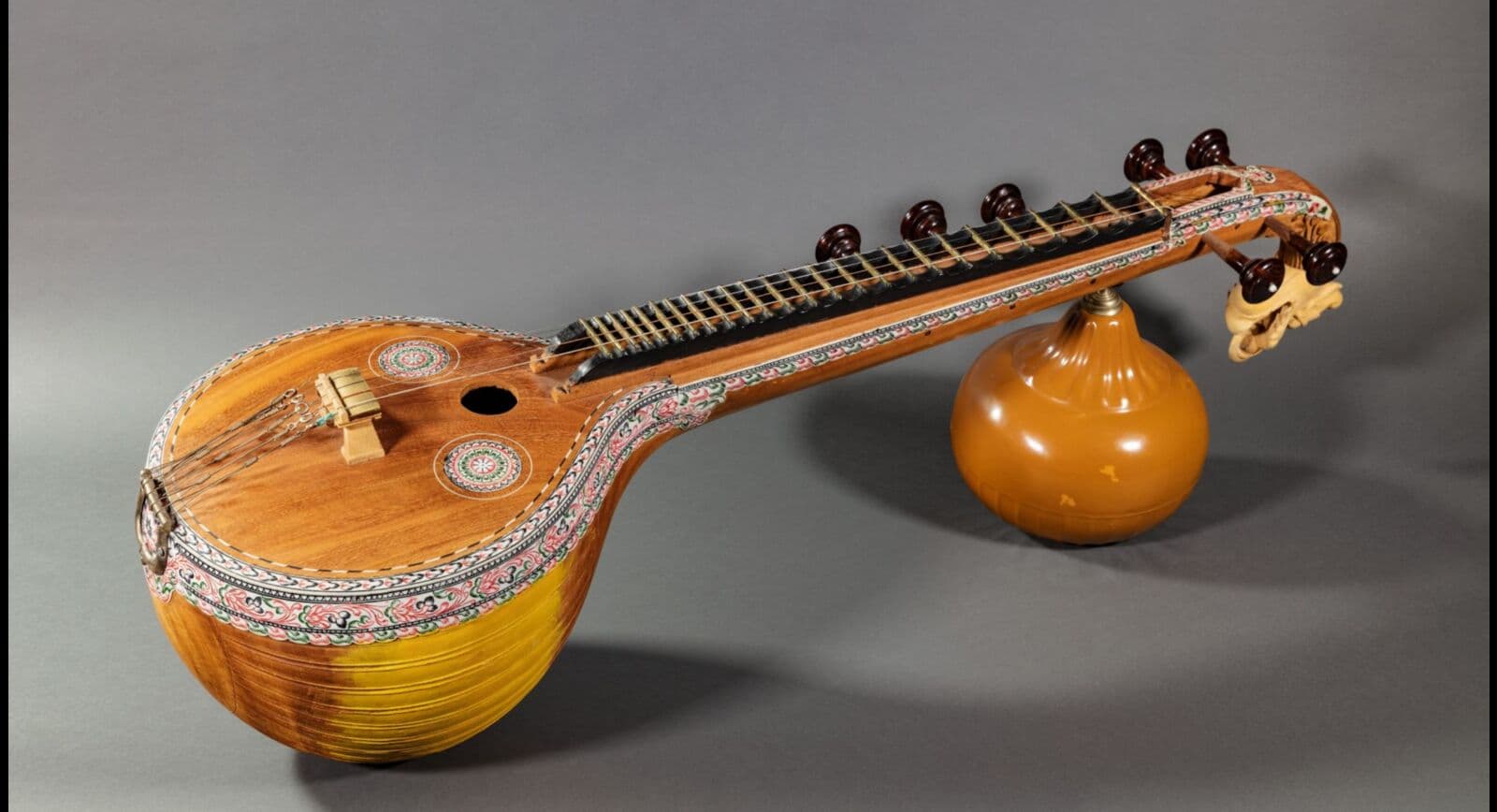
Carnatic Music: The Architecture of Devotion
In the Carnatic tradition, composition is worship, the concert is liturgy, and the greatest composers are canonized as saints.
Jan 7, 2024·9 min read
Saints & Acharyas
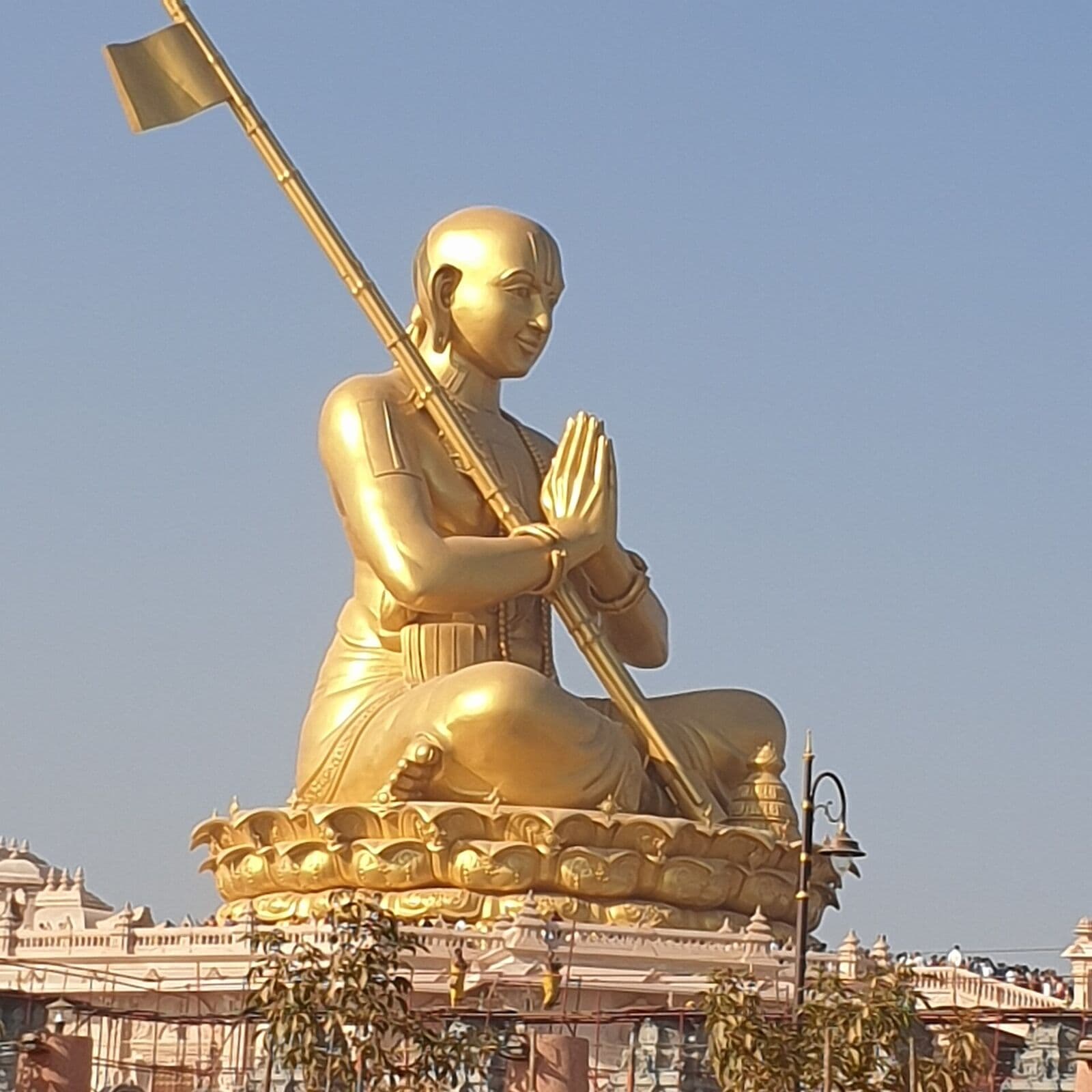
Ramanuja and the Embrace of Devotion
How Ramanuja built the intellectual house that bhakti lives in, and why he broke his vow of secrecy from a temple tower.
Apr 1, 2024·10 min read
Culture & Heritage
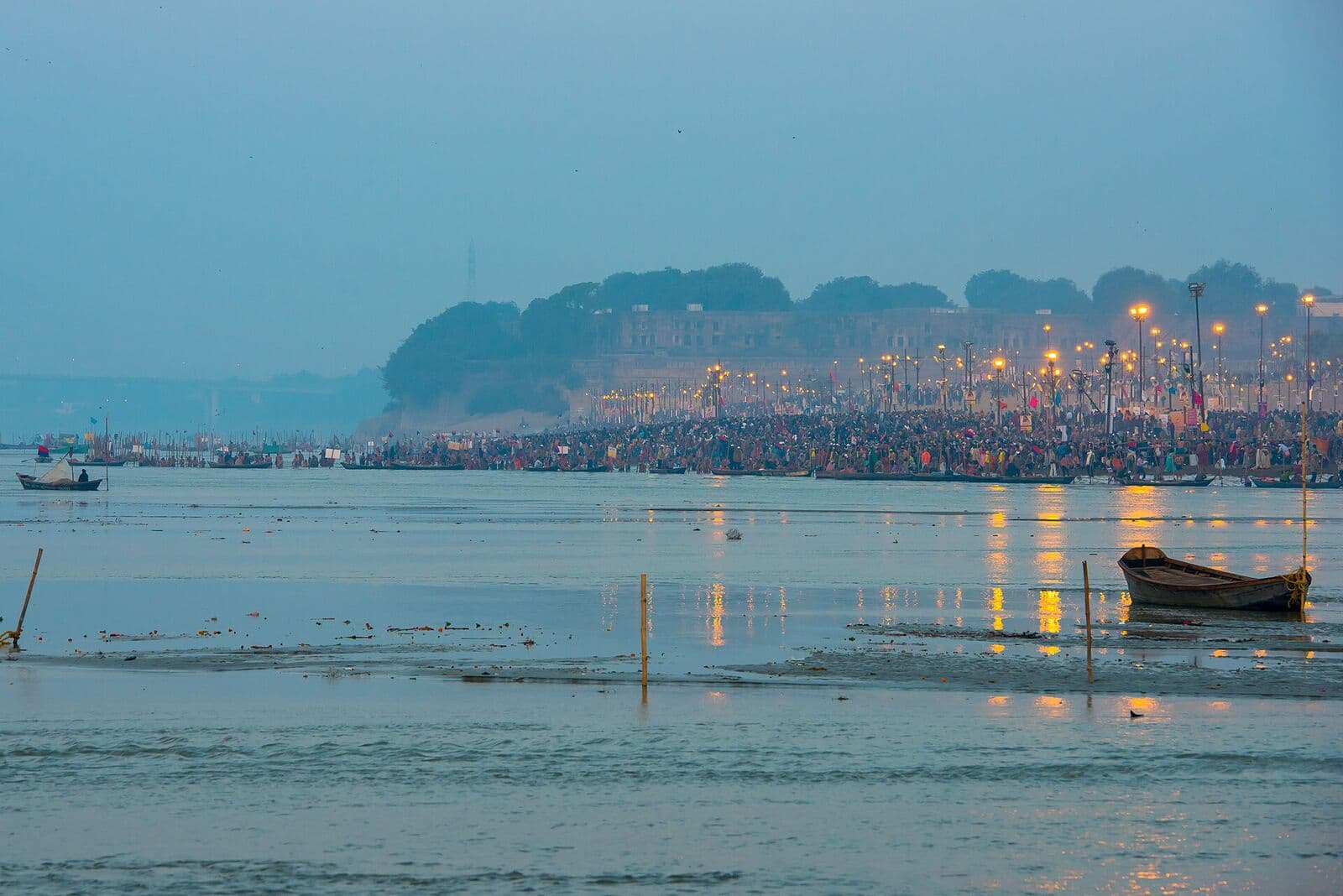
The Kumbh Mela: A River of Humanity
Tens of millions gather at the confluence of rivers with no tickets, no headliner, and no organizing committee older than the stars.
Mar 21, 2024·9 min read