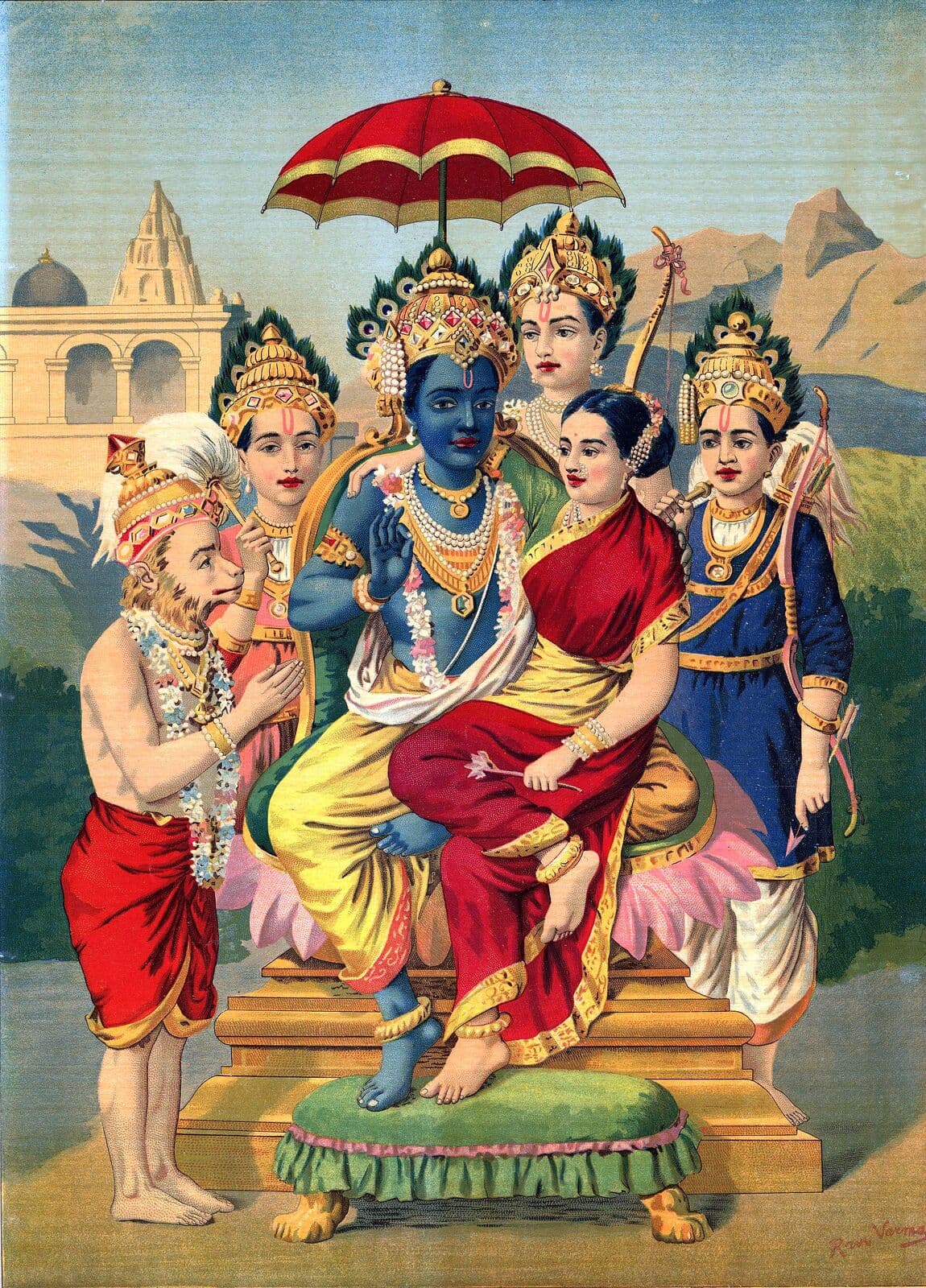
Scriptures
Why Rama Went to the Forest
The Ramayana's central act looks like obedience. It is something much stranger: a man choosing his word over his kingdom.
The scene is set with terrible economy. On the eve of Rama's coronation, his father's youngest queen, Kaikeyi, redeems two old boons: her son Bharata shall be king, and Rama shall live fourteen years in the forest. Dasharatha, bound by his word, cannot speak the sentence; Kaikeyi speaks it for him. And Rama — this is the moment the whole epic balances on — hears it, and his face, Valmiki says, does not change.
The economy of a promise
Modern readers ask the obvious question: why go? The boons were extracted by manipulation; the city is ready to rise for Rama; even Bharata, when he learns of it, refuses the throne and begs Rama to return. Every exit is open. Rama declines them all, and his reasoning is consistent across every dialogue: the king's word must be true, because the king's word is the currency in which the whole realm trades. Raghukula riti sada chali ayi, prana jahu baru bachanu na jai — the later vernacular tradition compressed it into a proverb: life may go, but the word, never. A kingdom where promises bend to convenience is not saved by keeping its prince; it is already lost.
Truth is the king's treasury. Spend it once falsely, and the currency of the whole realm is debased.
This is why the epic insists on the unchanged face. Rama is not suppressing rebellion; he has organized his life so that dharma sits above preference, and when the two separate, there is no contest to suppress. The tradition calls him maryada purushottama — the supreme man of the boundary, the one who honours limits.
The cost is the teaching
But the Ramayana is not propaganda for easy obedience, and it never pretends the price is small. Dasharatha dies of grief. Sita's abduction flows directly from the exile. The forest years cost Rama everything an epic hero is usually given as reward. Valmiki's genius is to keep the ledger open on every page: dharma in this poem is not a vending machine dispensing good outcomes for good conduct. It is closer to a keel — it does not stop the storm; it keeps the vessel upright through it.
And the epic distributes the teaching across its whole cast. Bharata, refusing a throne twice — once from ambition's side, once from love's — places Rama's sandals on the seat and governs fourteen years as a regent for footwear: political theatre of genius, announcing that legitimacy lives elsewhere. Lakshmana chooses exile no one imposed. Sita, offered safety, argues her way into the forest with the epic's sharpest tongue. Around the central promise, a whole family improvises its answers to the same question: what do I owe, and to whom, when the roof falls in?
The forest as teacher
The exile the palace intended as punishment becomes the making of the man. In the forest Rama meets the rishis and the wounded; allies with the dispossessed — Guha the boatman, Sugriva the exiled king, Hanuman the servant of impossible errands; learns the country he was born to rule from beneath rather than above. When he finally returns to Ayodhya, the king who takes the throne has been educated in the one school palaces cannot provide. The epic's quiet suggestion is worth carrying out of the poem: the detour that costs you the crown may be the only route by which you become fit to wear it.
About the author
Prajna Insights Editorial DeskEditorial Desk
The collective byline for essays researched, drafted, and edited through the Prajna Insights editorial process, including AI-assisted drafting reviewed under Kiran Karanam's editorial responsibility.
Related Articles
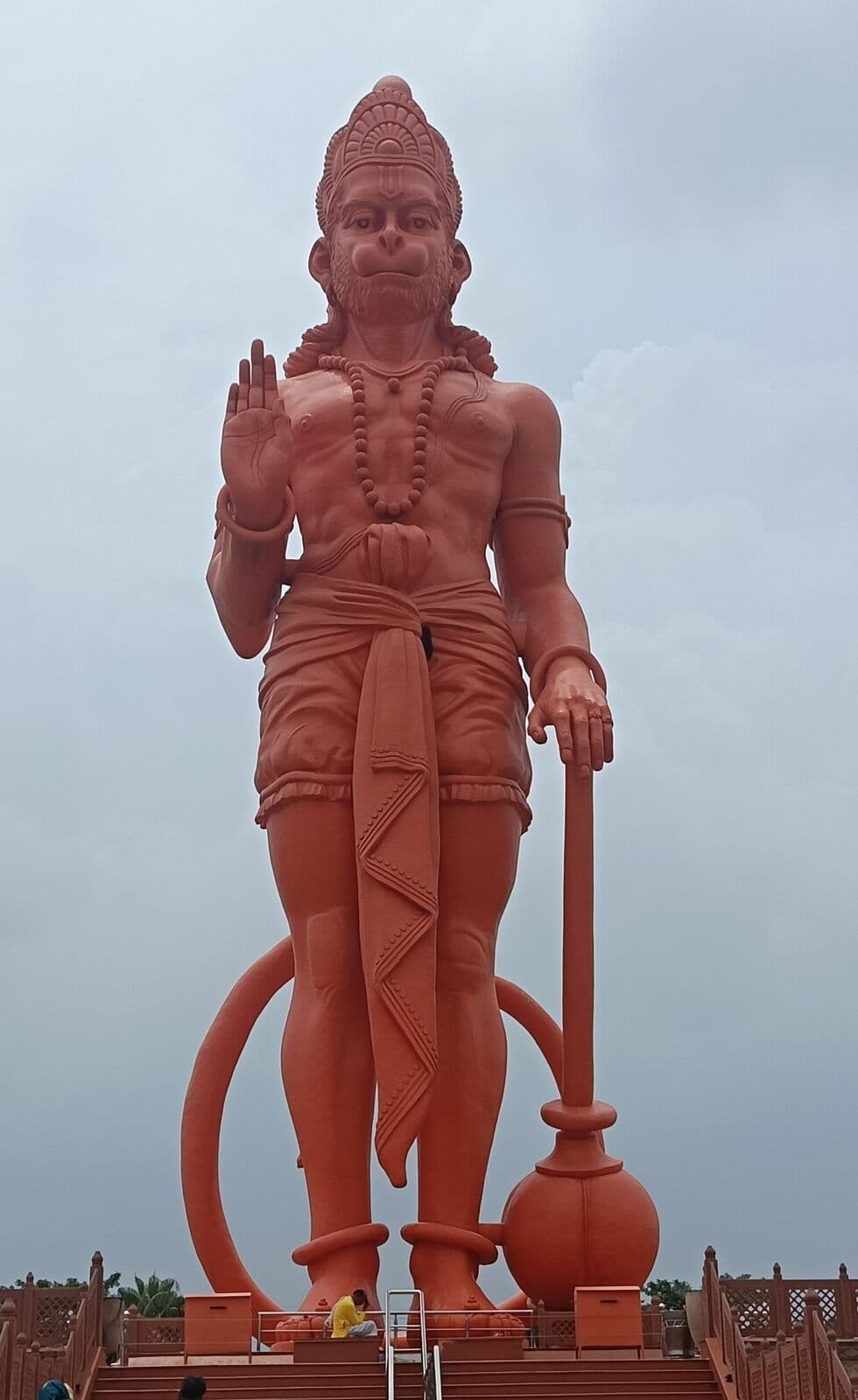
Scriptures
Hanuman: Strength in Service
The Ramayana's mightiest figure cannot remember his own strength until it is needed for someone else. That is the whole theology.
Feb 11, 2024·7 min read

Culture & Heritage
The Meaning of Diwali
The festival of lamps is a five-day meditation on light, wealth rightly held, and homecoming — older and deeper than its fireworks.
Jan 24, 2024·7 min read
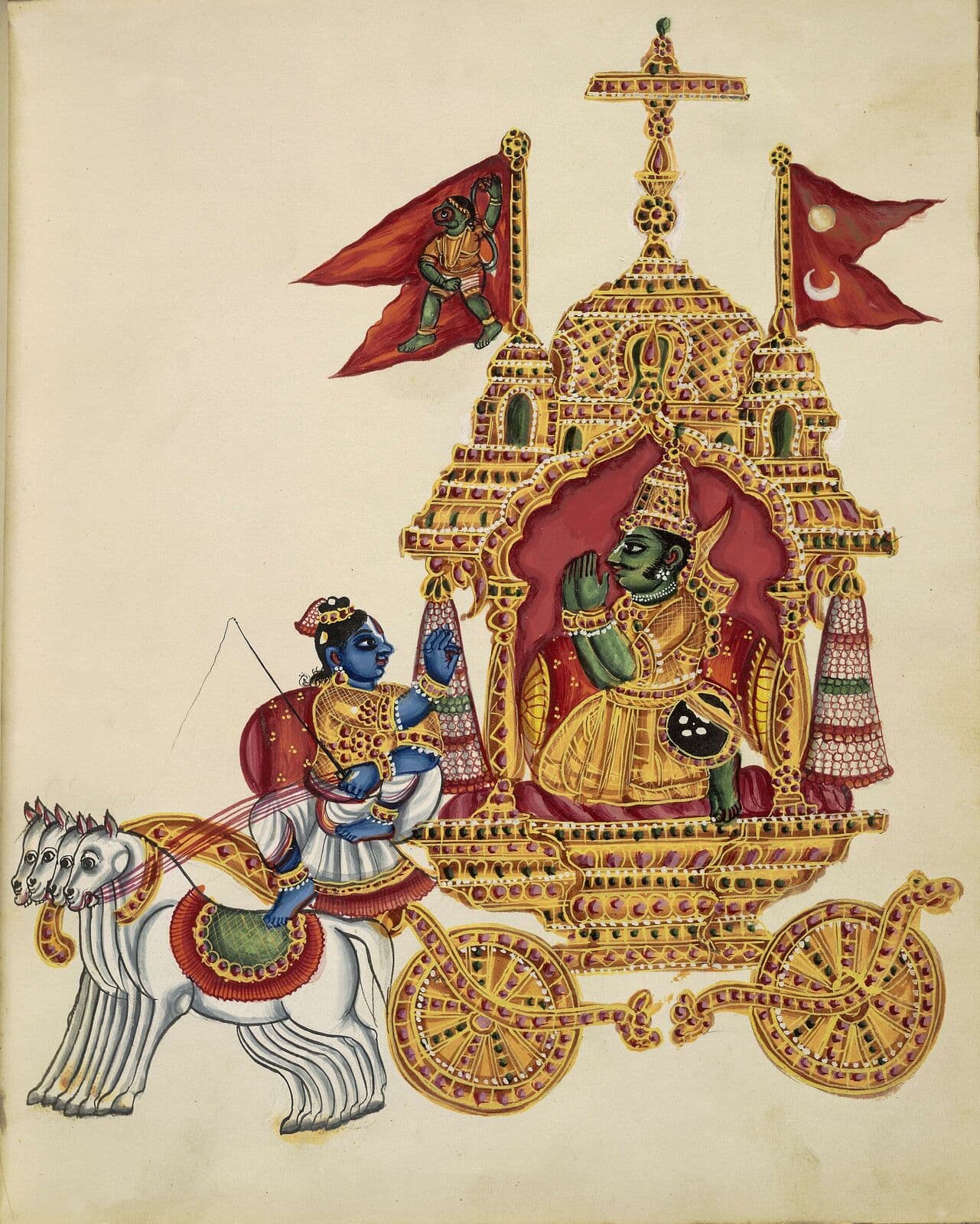
Scriptures
Karma Yoga in the Bhagavad Gita
Understanding selfless action through Lord Krishna's timeless teachings.
May 12, 2024·8 min read