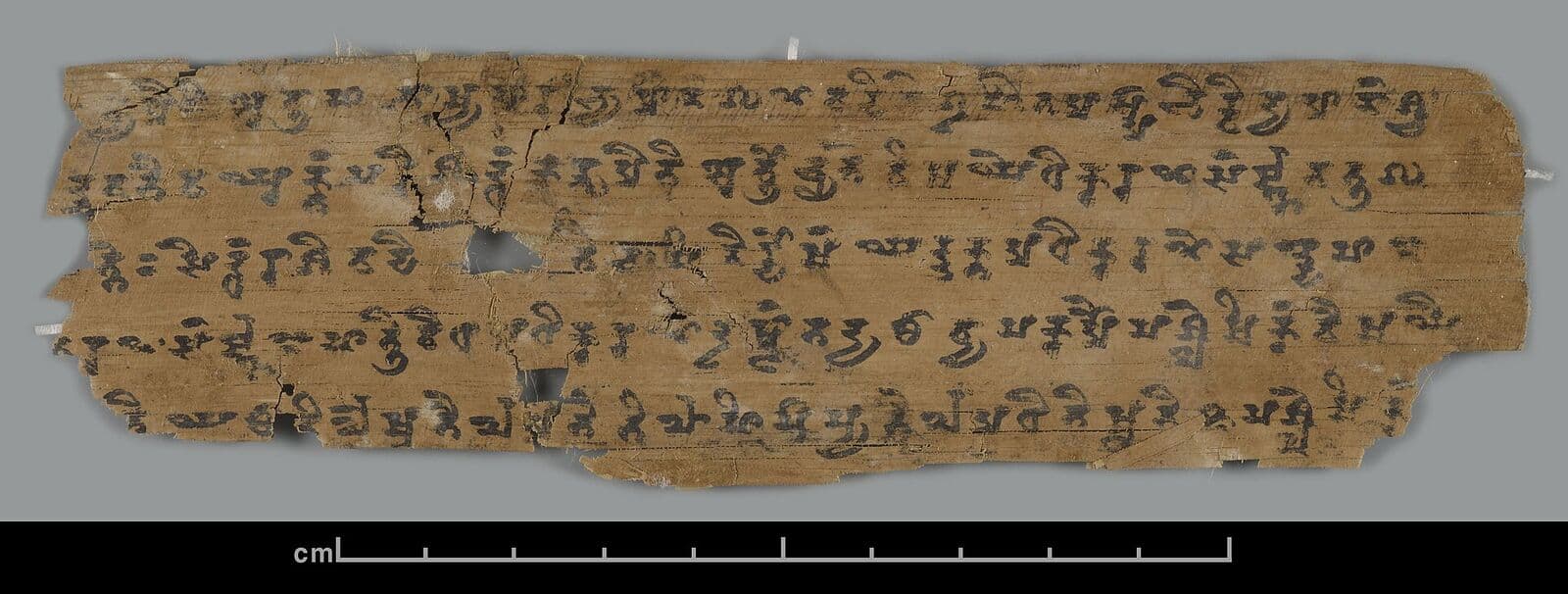
Tradition
The Guru–Shishya Parampara
The living tradition of knowledge transmission in Sanatana Dharma.
Consider a simple, astonishing fact: the Rigveda — over ten thousand verses, arranged with accentual precision so fine that a misplaced tone changes the meaning — was carried across roughly three millennia without writing. No manuscript tradition on earth approaches this fidelity. The instrument that achieved it was not a technology in the usual sense. It was a relationship: the guru–shishya parampara, the unbroken line of teacher and student.
Knowledge as lineage
The word parampara means 'one after another' — a succession, a relay. In the tradition's self-understanding, knowledge is not a commodity an individual acquires but a living current an individual joins. The Upanishads open with genealogies of teachers the way other books open with tables of contents; the Brihadaranyaka lists a line of over fifty names. To learn was to be grafted into that line and to accept responsibility for its continuation.
As a man learns the placement of his limbs from his own body, so the student learns the shape of truth from the person of the teacher.
This explains a feature of the tradition that puzzles modern readers: why the texts insist that certain knowledge can only be received upasadya — by approaching, by sitting near (the literal meaning of upanishad). Propositional content can travel in books. But judgment, emphasis, the lived weight of an idea, the correction delivered at the exact moment of error — these travel only from person to person, the way a flame passes between lamps.
The gurukula and its method
In the classical gurukula the student lived in the teacher's household, and the curriculum was inseparable from the life. Vedic recitation was drilled through the patha systems — reciting the words forward, backward, and in braided permutations (jata, ghana) that made corruption mathematically detectable. But alongside the memory work ran the subtler training: service, humility, the observation of a person in whom the teaching had become character.
The Taittiriya Upanishad preserves what may be history's oldest graduation address, delivered when the student left the gurukula: satyam vada, dharmam chara — speak truth, walk in dharma. And then, remarkably: where you are in doubt about conduct, look to the best of those who came before you, and act as they would act. The parampara, in other words, was designed to outlive the syllabus.
A living current
The parampara is not a museum piece. The four amnaya mathas associated with Adi Shankara have maintained succession for over a millennium; the eight mathas of Udupi still rotate the worship Madhva instituted; musical gharanas, dance lineages, and Ayurvedic families transmit their arts the same way. Wherever a senior practitioner corrects a junior with patience and receives reverence in return, the ancient relay is running.
Our age has unbundled information from relationship and calls the result education. The tradition would recognize the information but not the education. What it knows, and what we are slowly relearning, is that the deepest things — judgment, restraint, love of truth — have never once been downloaded. They are caught, from someone who has them, by someone who sits near.
About the author
Prajna Insights Editorial DeskEditorial Desk
The collective byline for essays researched, drafted, and edited through the Prajna Insights editorial process, including AI-assisted drafting reviewed under Kiran Karanam's editorial responsibility.
Related Articles
Tradition
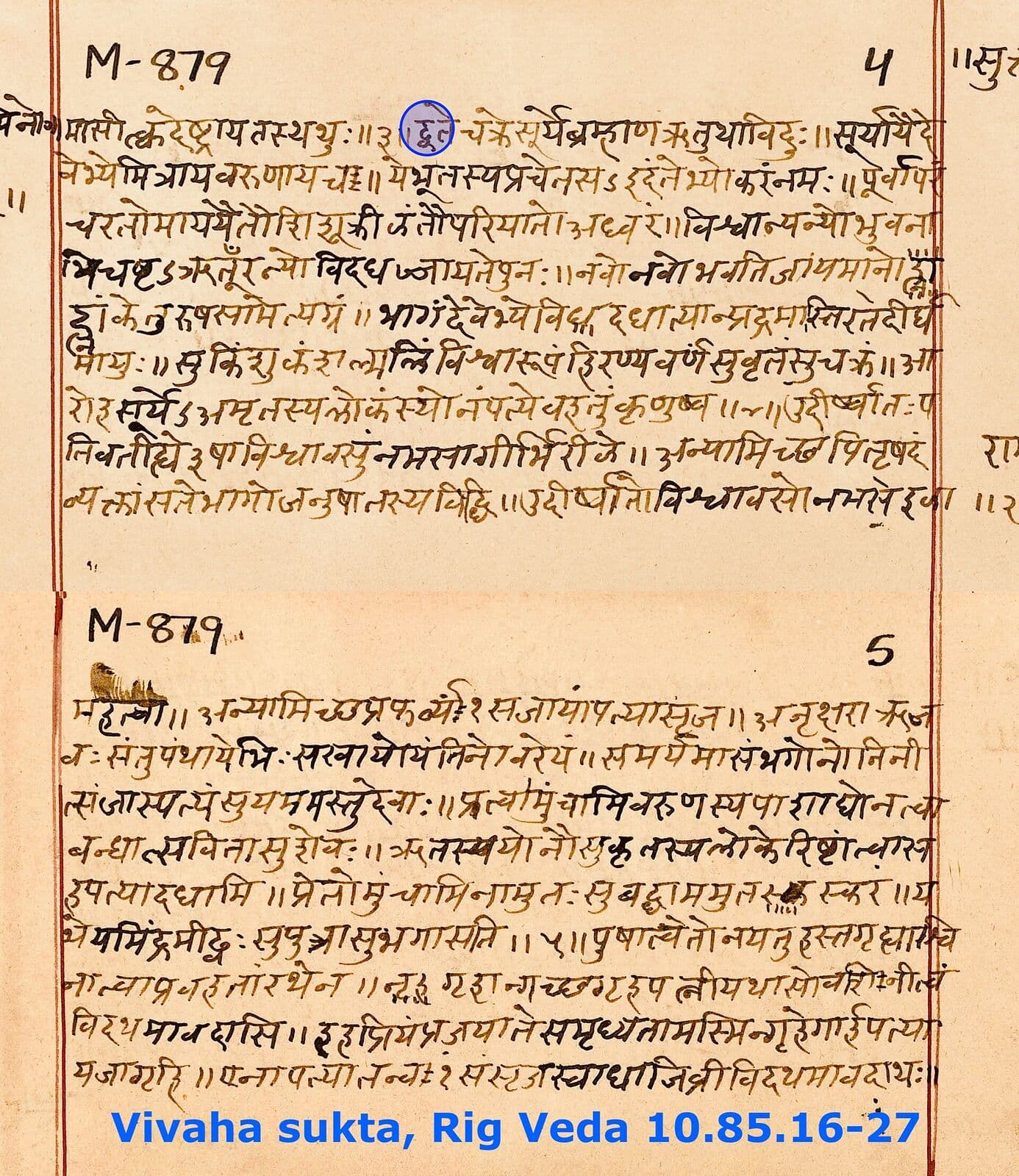
The Sound of the Veda
How generations of reciters preserved the world's oldest continuously transmitted text — down to the pitch of every syllable.
Mar 11, 2024·9 min read
History
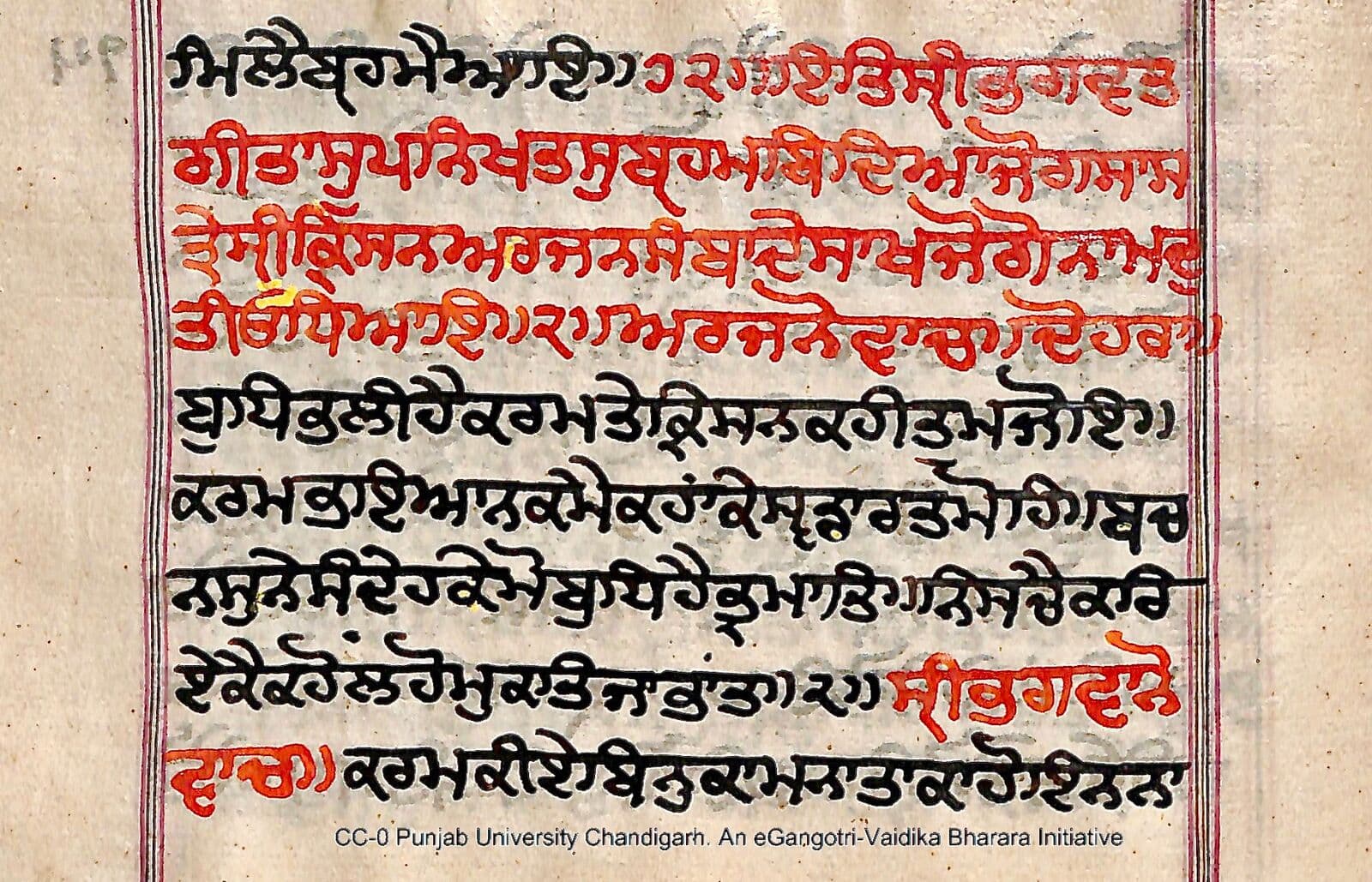
Panini: The First Grammarian
The Ashtadhyayi generates the whole Sanskrit language from four thousand rules — a feat computer science recognized as its own ancestor.
Jan 28, 2024·10 min read
Arts & Literature
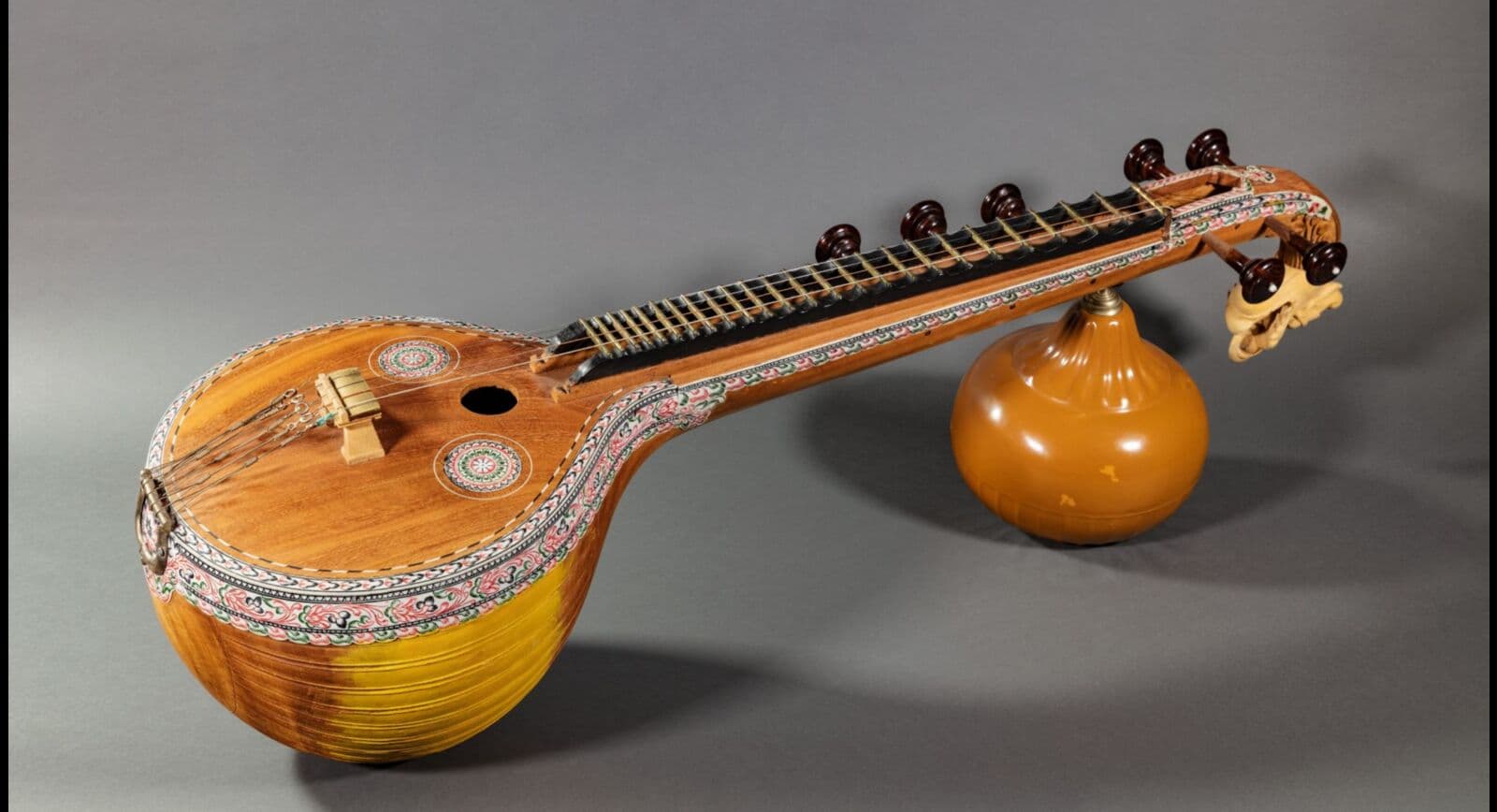
Carnatic Music: The Architecture of Devotion
In the Carnatic tradition, composition is worship, the concert is liturgy, and the greatest composers are canonized as saints.
Jan 7, 2024·9 min read