Darshana
Sharanagati: The Theology of Surrender
The bhakti traditions' most radical claim: the final step of the spiritual path is not an achievement but a handing-over.
Every spiritual tradition eventually faces an embarrassing question: if the goal is reached by effort, whose effort was it? The muscles were borrowed, the mind was given, the very desire for God arrived unbidden. The bhakti traditions of India stared at this question until it resolved into a doctrine — sharanagati, prapatti, taking refuge — and then built some of the subtlest theology in the world on the act of giving up.
The charama shloka
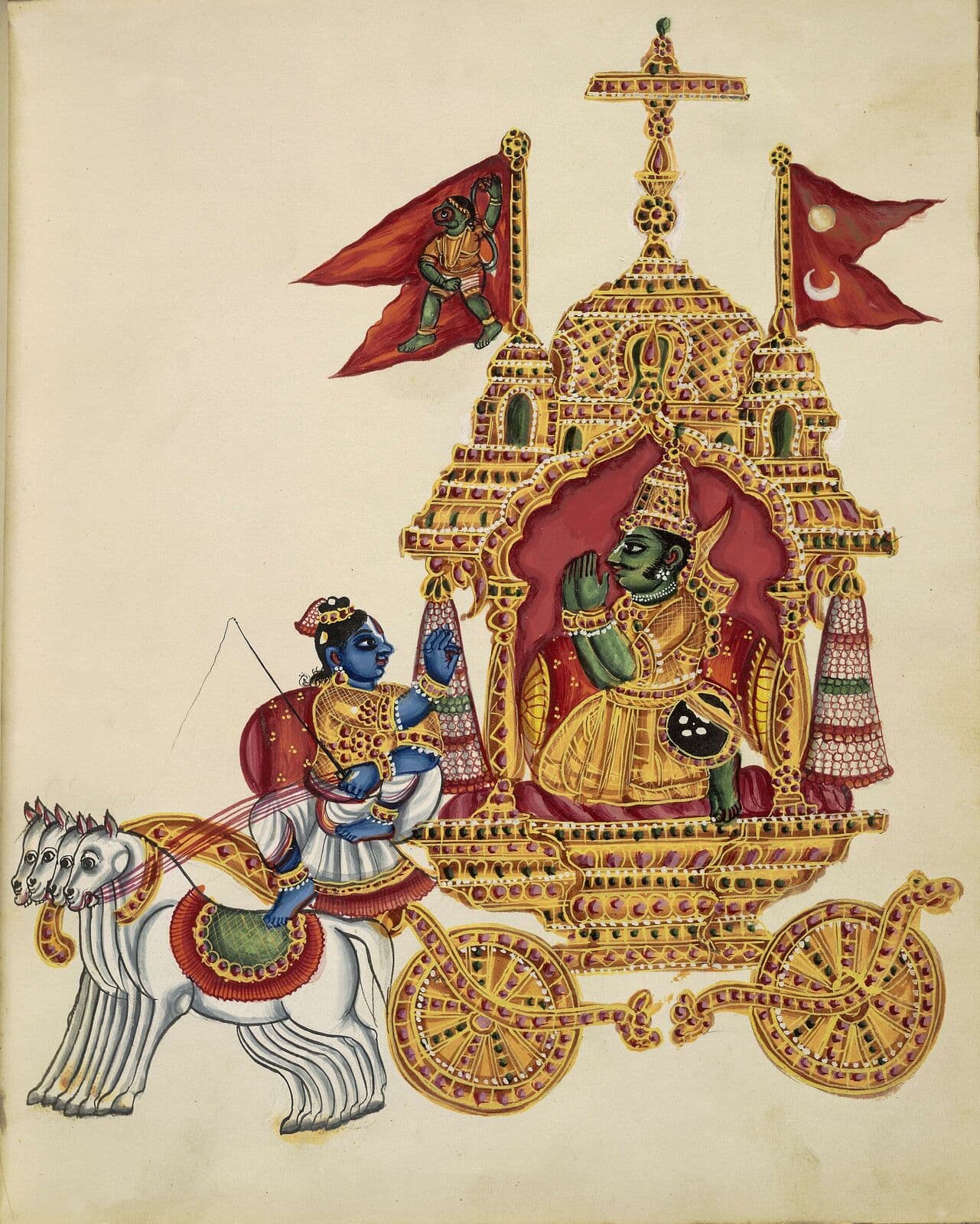
The proof-text is the Gita's climactic verse, which Sri Vaishnavas call simply the charama shloka, the final verse of the teaching: abandon all dharmas and come to me alone for refuge; I will free you from all sins; do not grieve. The commentarial tradition weighed every word for centuries. 'Abandon all dharmas' — not ethics, the acharyas insist, but reliance on one's practices as the cause of salvation. 'I will free you' — the agency transfers decisively. 'Do not grieve' — the instruction Arjuna actually needed, and the one the anxious spiritual achiever needs in every generation: your case has been accepted; stop preparing your own defense.
Do the six limbs of refuge: will what pleases him, refuse what displeases, trust his protection, ask for it, lay down the burden of yourself — and know yourself helpless. The last is the door.The shadanga formula of sharanagati
The cat and the monkey
After Ramanuja, his school divided over a question of exquisite precision: does surrender require the soul's cooperation? The northern school answered with the monkey: the infant monkey must at least cling as the mother carries it — grace is primary, but the soul grips. The southern school answered with the cat: the kitten does nothing at all; the mother lifts it by the scruff — any contribution, even clinging, smuggles ego back into the transaction. The markata-nyaya and marjara-nyaya, monkey-logic and cat-logic, may be the only schism in religious history conducted entirely in terms of baby animals, and it is no joke: it is the question of synergy versus pure grace, argued in India with a technical refinement Christian Europe would recognize from its own debates — centuries before those debates occurred.
Surrender is not resignation
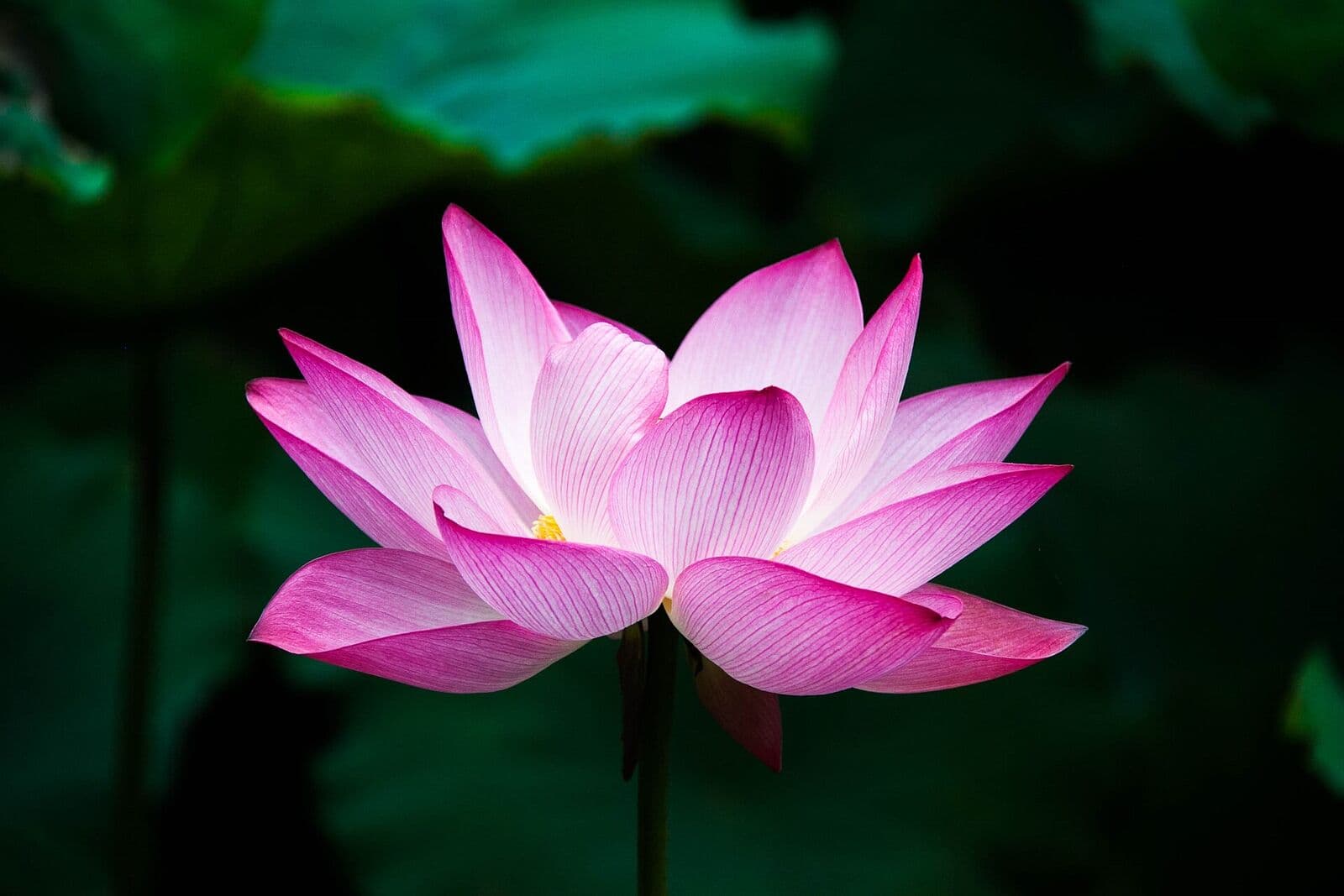
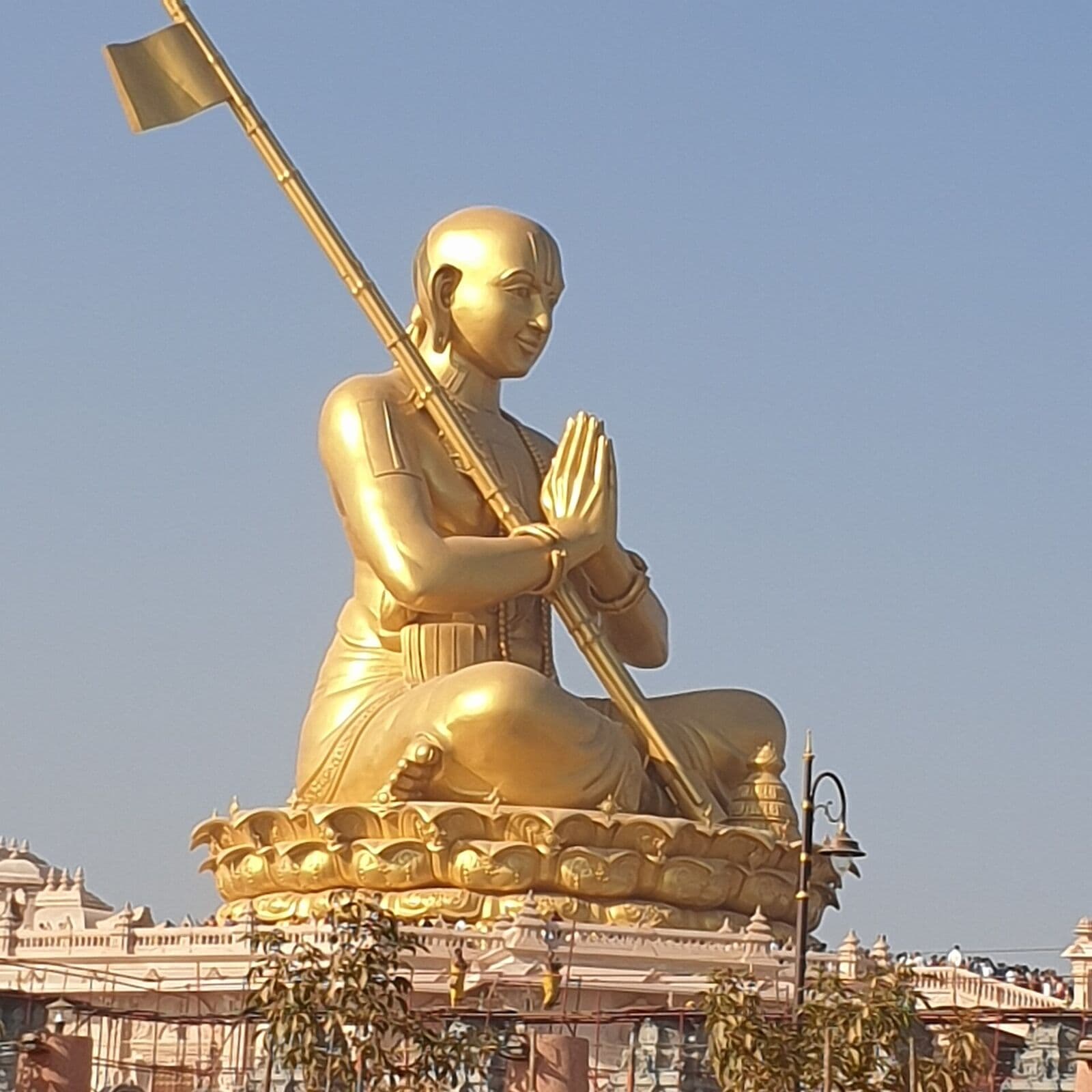
The crucial clarification, insisted on by every teacher of the doctrine: sharanagati is not passivity. Ramanuja surrendered at Srirangam and then worked for decades — administering temples, writing commentaries, walking to Melukote. The surrendered life continues to act, often more energetically than before, because action is no longer freighted with the terror of self-salvation; work becomes kainkarya, service, done from gratitude rather than toward acquittal. What is renounced is not effort but anxiety about effort — the clenched conviction that the universe's verdict on you is still pending and hangs on your performance. The lotus is the tradition's chosen image: rooted in mud, flowering on water it does not grip, open because the sun does the opening. That, says the doctrine, is what a human life looks like when the case is closed and the grieving has been, at last, obediently stopped.
About the author
Prajna Insights Editorial DeskEditorial Desk
The collective byline for essays researched, drafted, and edited through the Prajna Insights editorial process, including AI-assisted drafting reviewed under Kiran Karanam's editorial responsibility.
Related Articles
Scriptures
Karma Yoga in the Bhagavad Gita
Understanding selfless action through Lord Krishna's timeless teachings.
May 12, 2024·8 min read
Saints & Acharyas
Ramanuja and the Embrace of Devotion
How Ramanuja built the intellectual house that bhakti lives in, and why he broke his vow of secrecy from a temple tower.
Apr 1, 2024·10 min read
Arts & Literature
The Alvars: Poets Drunk on God
Between the sixth and ninth centuries, twelve Tamil poets sang Vishnu with such intimacy that theology had to expand to hold them.
Feb 7, 2024·9 min read