Practice
Pilgrimage: Why We Walk
The tradition could have located the sacred anywhere. It chose the far, the high, and the hard to reach — on purpose.
Consider the placement. Kedarnath: 3,583 metres, reachable only on foot or hoof for the final sixteen kilometres. Amarnath: a cave of ice at the end of a glacier trail. Sabarimala: forty-one days of vows before the forest walk even begins. Kailash: a parikrama at altitudes that stagger the fittest. A tradition that wanted mere attendance would have built in the valleys, near the markets. It built where the body would have to pay to arrive — and it called the payment part of the worship.
Tirtha: the ford
The Sanskrit for a pilgrimage site is tirtha — a ford, a crossing-place in a river. The metaphor is exact and double. At a ford, the far bank becomes reachable; at a tirtha, the tradition holds, the distance between the human and the divine thins in the same way. But a ford must be walked to; that is what makes it a ford and not a bridge delivered to your door. The yatra — the journey — is not the cost of the darshan. It is the first half of it. The Aitareya Brahmana preserved the doctrine in two words a wandering teacher gives a restless king: charaiveti, charaiveti — keep moving, keep moving. The fortune of the sitting man sits; his fortune rises who rises.
There is no happiness for him who does not travel. The feet of the wanderer are like the flower; his soul, growing and reaping the fruit. Therefore — walk on.Aitareya Brahmana, the charaiveti teaching
What the road does
The walking works on the pilgrim with a therapist's patience. Days simplify to distance, weather, and the next meal; the social self, with its titles and grievances, wears thin under a pack; strangers become companions with the speed peculiar to shared blisters. Every pilgrim discovers the same secret the monastic orders institutionalized: the body is the most honest instrument of prayer we own. It cannot pretend. It can only arrive, footstep by footstep, carrying the mind behind it like luggage — and somewhere on the trail the luggage gets lighter, having been quietly unpacked into the landscape. The tradition mapped this geography deliberately: the chardham at the four compass points of the subcontinent, the twelve jyotirlingas, the fifty-one shakti pithas — a curriculum of routes that, walked over a lifetime, teaches the pilgrim the shape and breadth of the civilization as a side effect.
Arrival, and after
And the destination? Often a small dark room, a crowded threshold, a few seconds before the image after weeks of approach. First-time pilgrims sometimes report a flicker of anticlimax, and the tradition smiles: the proportion is the teaching. The sanctum is small because the journey was the cathedral. What the pilgrim carries home is not the few seconds but the altered scale of things — the discovery of how little one needs, how far the body can go, how quickly strangers become brothers, and how the sacred, approached on foot, turns out to have been walking alongside the whole way. Which is why the tradition's last instruction about pilgrimage is its first one repeated: charaiveti. Having arrived, keep moving. The road goes on past every shrine, and it is all tirtha now.
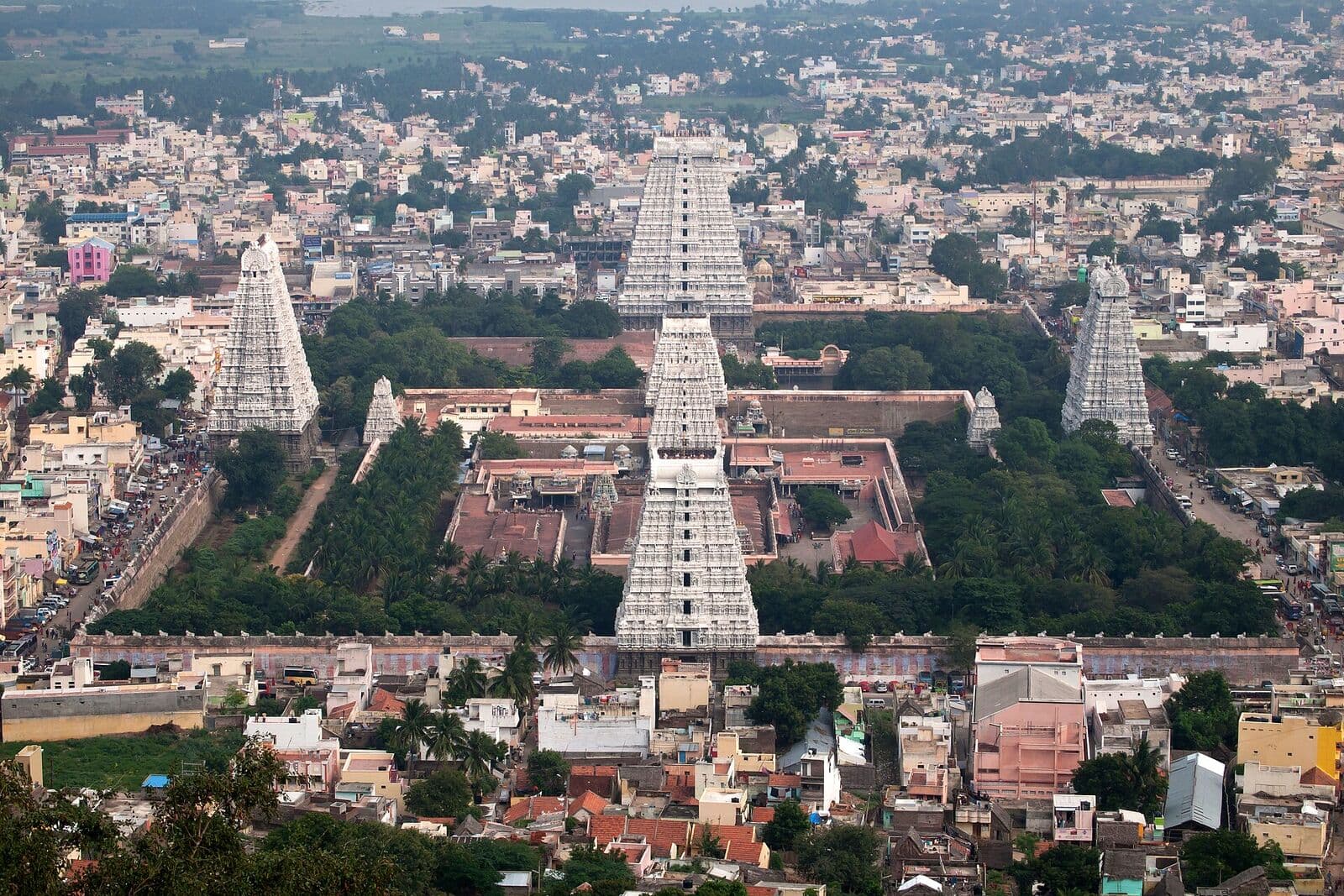
Header image: Vyacheslav Argenberg / Wikimedia Commons, CC BY 4.0
About the author
Prajna Insights Editorial DeskEditorial Desk
The collective byline for essays researched, drafted, and edited through the Prajna Insights editorial process, including AI-assisted drafting reviewed under Kiran Karanam's editorial responsibility.
Related Articles
Practice
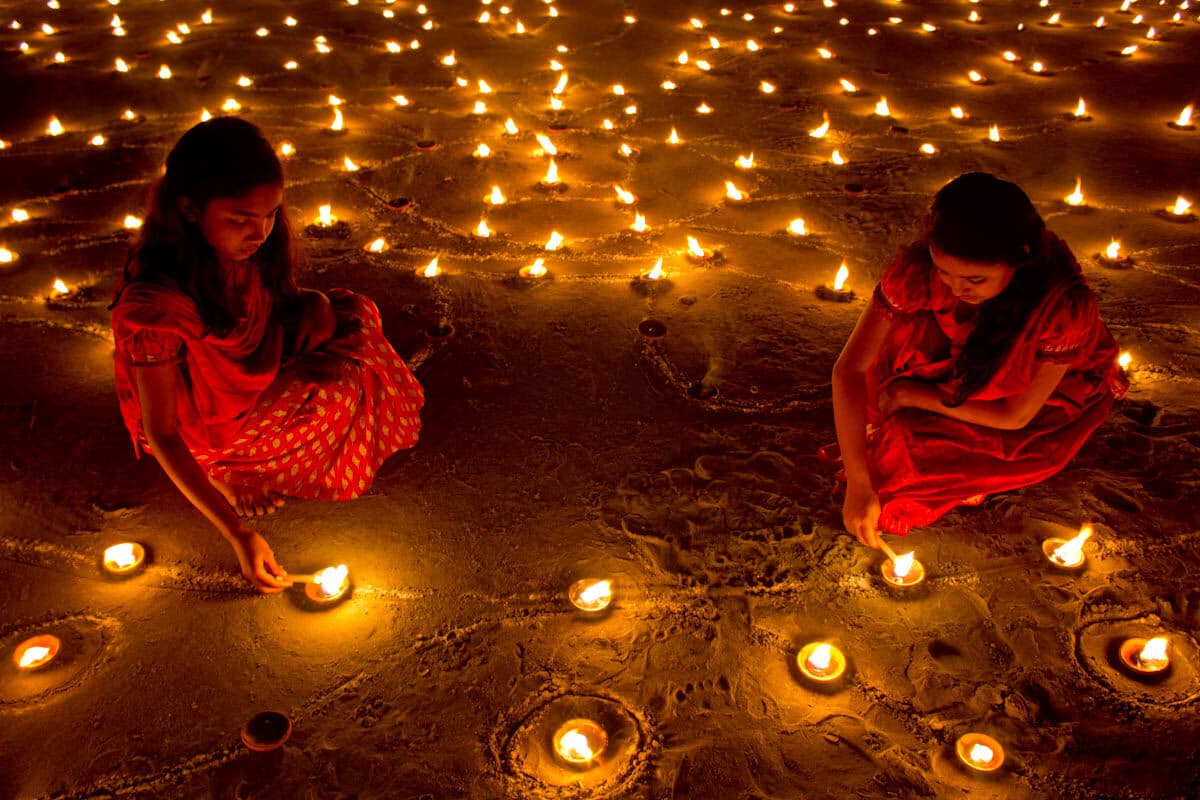
The Power of Daily Spiritual Discipline
Simple yet powerful practices that transform the mind and life.
May 5, 2024·7 min read
Culture & Heritage
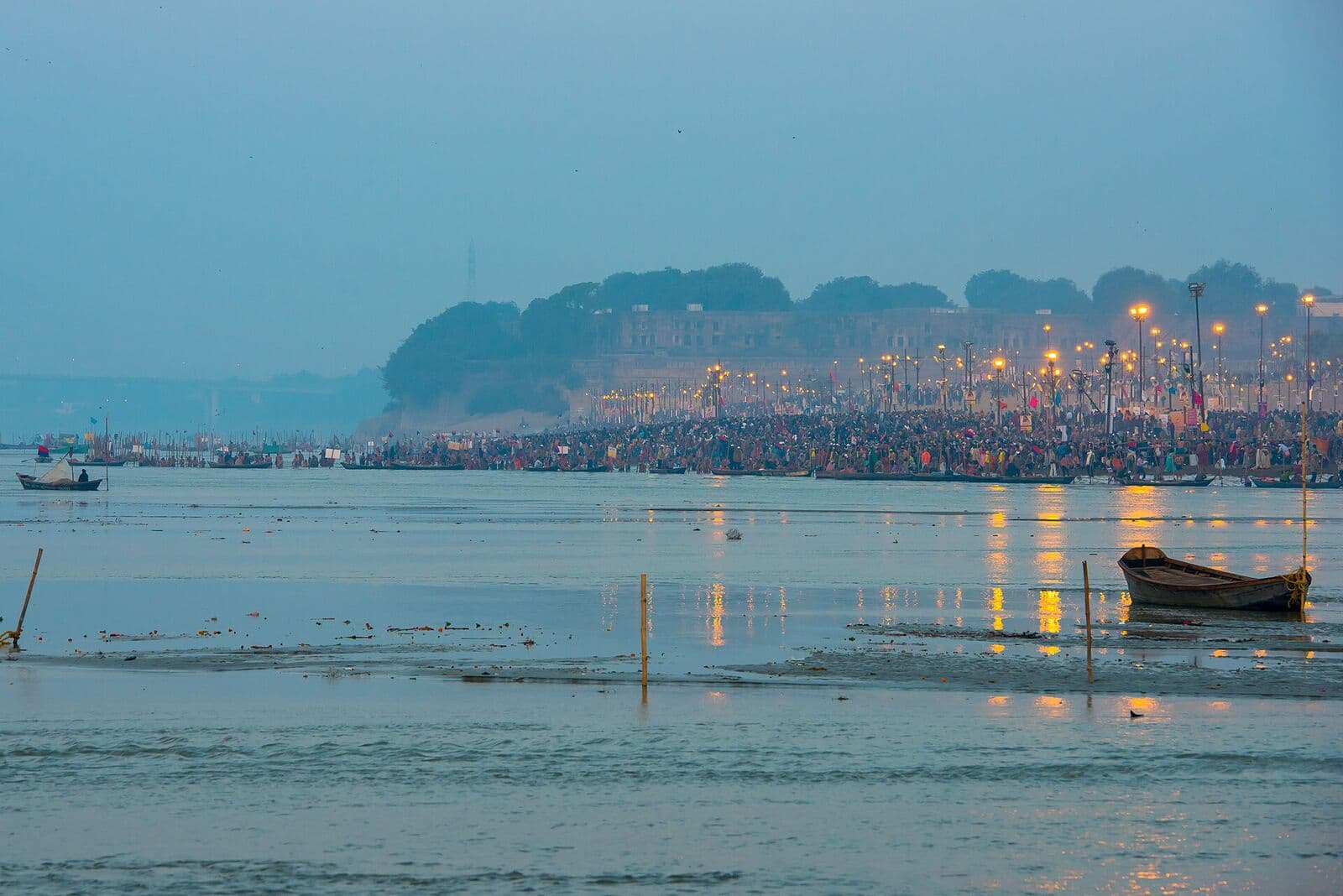
The Kumbh Mela: A River of Humanity
Tens of millions gather at the confluence of rivers with no tickets, no headliner, and no organizing committee older than the stars.
Mar 21, 2024·9 min read
Culture & Heritage
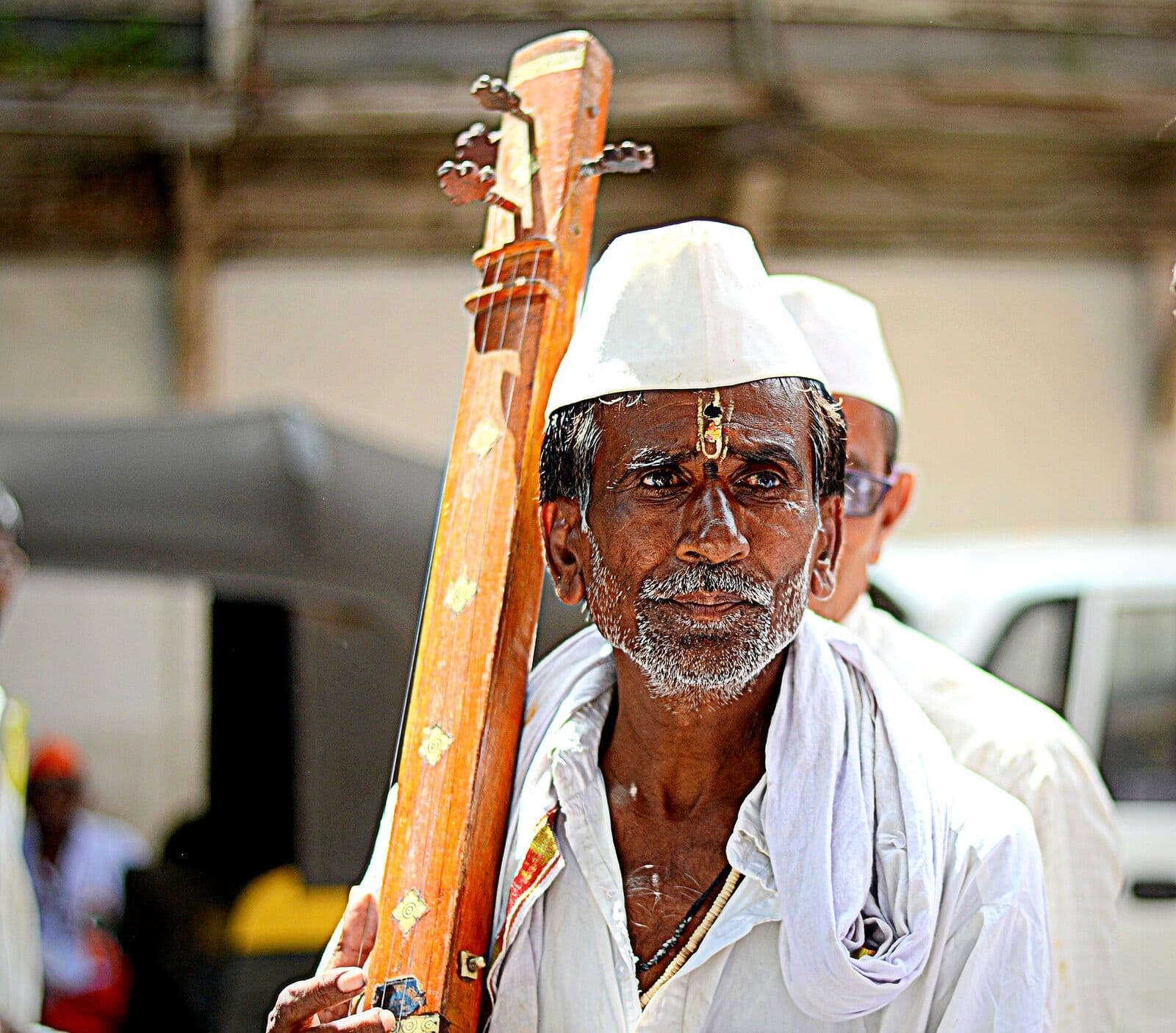
The Wari: Walking with Vithoba
For seven hundred years the road to Pandharpur has filled with pilgrims singing Tukaram and Dnyaneshwar — a university of devotion, twenty-one days long.
Feb 28, 2024·8 min read